REVIEW · BUCHAREST
Transylvania Castles 4-day tour from Bucharest
Book on Viator →Operated by Rolandia · Bookable on Viator
Four days in Transylvania feels like a medieval speedrun.
This Bucharest-based tour strings together famous stops like Peleș Castle and Bran, then leans into lesser-visited fortified churches and citadels across the region. What I like most is that it bundles real on-the-ground logistics—3 nights of centrally located hotels, breakfast each morning, and entrance fees—so you can focus on the places instead of paperwork.
Two things I also appreciate: the group is capped at eight, which usually means less waiting and a more personal feel with a guide at your side. One consideration: the itinerary is packed, with long driving days and multiple monuments per day, so you’ll want comfortable shoes and a flexible attitude about timing.
In This Review
- Key points at a glance
- Value and what the price actually covers
- Your group size, pickup, and the pace reality check
- Day 1: Peles, Bran, and Rasnov’s hilltop medieval views
- Day 1 worth knowing
- Day 2: Fagaras Fortress, Rupea’s ancient layers, and UNESCO Sighisoara
- Day 2 worth knowing
- Day 3: fortified churches, Vauban-style walls at Alba Iulia, and Corvin Castle
- Day 3 worth knowing
- Day 4: Sibiu’s medieval streets, the Bridge of Lies, and Curtea de Argeș
- Day 4 worth knowing
- Guides you might get (and what the best ones do)
- Who this Transylvania castles tour is best for
- Should you book this tour from Bucharest?
- FAQ
- What’s included in the Transylvania Castles 4-day tour price?
- What time does the tour start and where do they pick me up?
- How many people are in the group?
- Is the tour offered in English?
- Can I stay in a single room?
- How much time do I have to cancel for a full refund?
Key points at a glance
- Max 8 travelers means you move as a group without feeling swallowed by a huge bus tour
- Hotel pickup in Bucharest makes the start easier, with a 9:00 am meeting time
- Entrance fees + breakfast + 3 hotel nights are included, so your day-to-day costs stay predictable
- English-speaking professional guide helps you connect stories to what you see on the ground
- Fortified churches and citadels give you more than just postcard castles
- One traditional lunch is included, with local products built into the plan
Value and what the price actually covers
At $1,154.55 per person, this tour is not a budget pick. The value comes from how much is wrapped into the package. You’re paying for a full driver-and-guide day structure: round-trip transport between Bucharest and Transylvania, modern vehicle travel, a professional English guide, and the admissions for the main sites.
You also get three nights of accommodation in centrally located hotels (based on double-room sharing), plus three breakfasts. That matters because castle tours can turn expensive fast once you start adding hotels and ticket lines yourself. On top of that, the itinerary includes entrance fees and one lunch with traditional local products.
If you’re comparing this against a DIY plan, the biggest tradeoff is freedom. The biggest win is that you don’t have to coordinate transport between multiple medieval towns and fortifications while trying to match opening hours.
You can also read our reviews of more tours and experiences in Bucharest
Your group size, pickup, and the pace reality check
This is a small-group tour with a cap of eight travelers. That’s the sweet spot for a route like this: small enough for questions, large enough to stay efficient on the road and at entrances.
Pickup is from any hotel in Bucharest, starting at 9:00 am. You’ll likely spend significant time driving between stops. Day 1 alone stacks several major sites: a top-tier royal castle, the Dracula-linked Bran Castle, then Rasnov and Brasov for evening atmosphere if time allows.
That packed schedule is great for people who want a full taste of Transylvania. It’s less ideal if you hate feeling rushed or you want big chunks of free time. If you like slow travel, you might feel it in the late afternoon after another walk up to a citadel or fortified church.
Day 1: Peles, Bran, and Rasnov’s hilltop medieval views
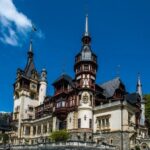
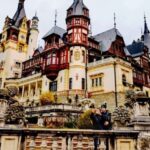
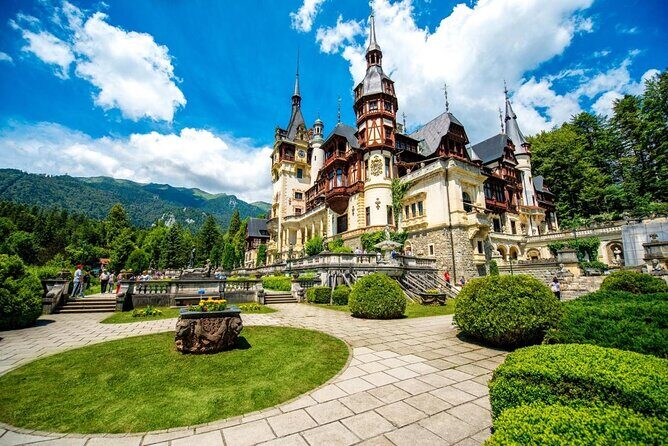
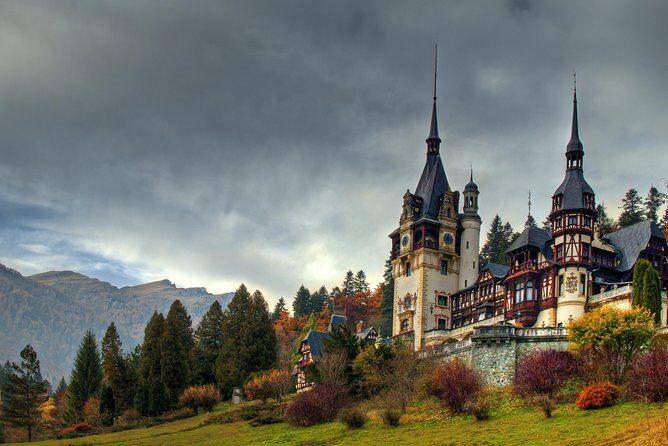
Day 1 sets the tone with a classic Transylvania pairing: beauty, then myth. You start with a road trip from Bucharest to Sinaia for Peleș Castle. This is the kind of place where the building seems to belong in a fairy tale, but with an actual royal history. Peleș was a summer residence of the Romanian Royal Family before it was seized under the communist regime. You’ll have about an hour on-site, and that’s usually enough time to see the highlights without feeling trapped in a long museum crawl.
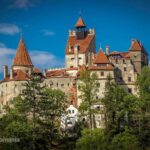
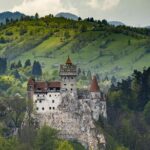
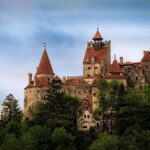
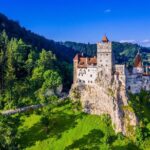
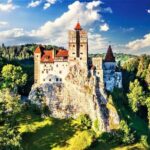
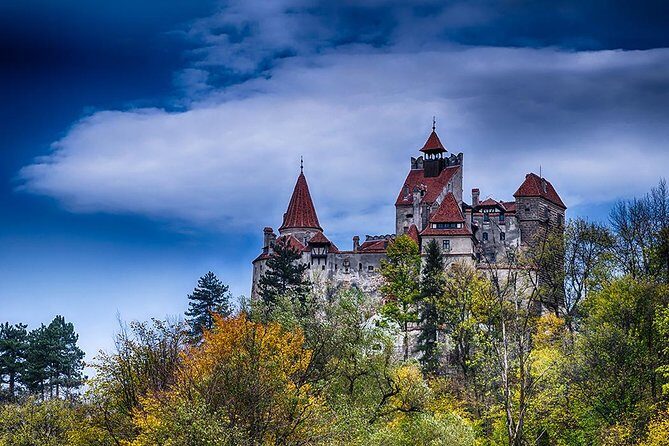
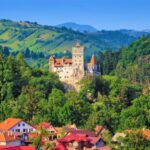
Next comes Bran Castle, often called Dracula’s Castle. The tour connects its fame to Bram Stoker’s Dracula and to how Vlad the Impaler became tied to the legend. You also get the medieval backbone: Bran was built by Saxons of Brașov in the 13th century on top of an older wooden fortification associated with the Teutonic Knights. For me, that’s the key: the “Dracula” story is the hook, but the castle’s structure is the real reason it’s worth your time.
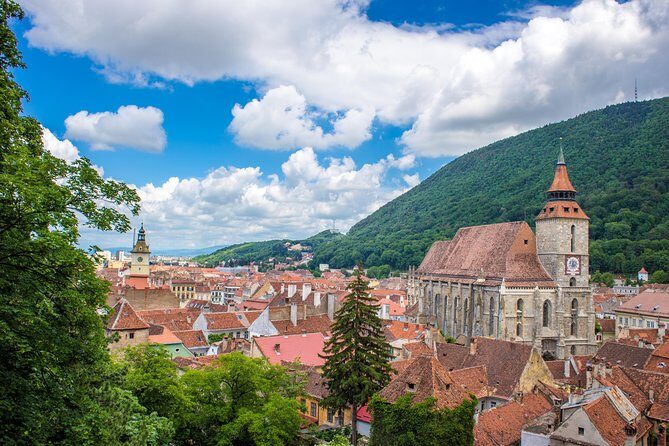
Then you head to Rasnov Citadel, perched on a hill since the 14th century. You get a garden and panoramic view focus, which is a nice reset after Bran’s Gothic mood. It also helps that the day moves toward Brasov for an overnight stay, so your evening can be flexible.
Day 1 worth knowing
- If you’re photographing, the castle light changes fast. Arrive with patience for stairs and angles.
- If your feet run hot, plan for hills twice: Bran area terrain plus Rasnov’s climb.
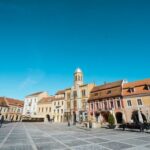
- If timing allows, a night walk through Brașov’s Council Square can be a low-effort way to see a medieval town at ease.
Day 2: Fagaras Fortress, Rupea’s ancient layers, and UNESCO Sighisoara
Day 2 adds more defense-focused variety. First up is Făgăraș Fortress, described as an imposing citadel from feudal times. What makes it memorable is the defensive design: a moat and two rows of walls that made sieges extremely hard. You’ll get about an hour, which is usually perfect for taking in how fortresses were built to resist more than just attackers—they were built for survival.
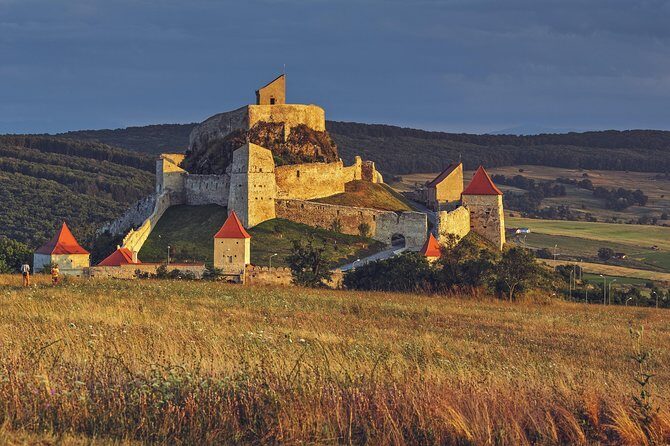
Then you stop at Cetatea Rupea (Rupea Citadel). This one stretches your sense of time. The documentary record points to the 14th century, but human settlement signs go back to the Paleolithic and early Neolithic periods. The citadel was refurbished in 2013, so you’re not just looking at ruins—you’re seeing a restored fortress space. A legend says Decebalus, the Dacian king, committed suicide there in 106 AD, which gives the site a layered, story-driven feel.
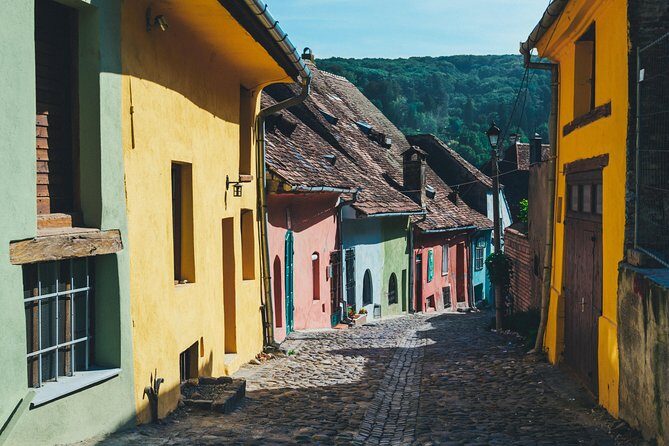
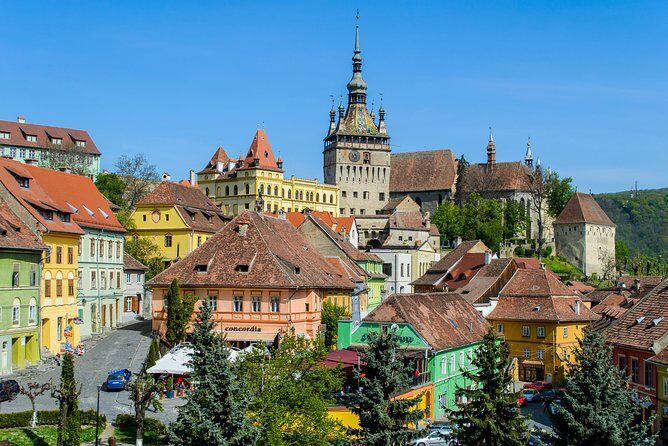
After that, you head toward Sighișoara, with an optional detour stop in the Saxon village of Crit, where you enjoy a meal before continuing. Once in Sighișoara, you’re in UNESCO World Heritage territory (listed since 1999), and you explore the medieval town with cobblestones, colorful houses, and street life.
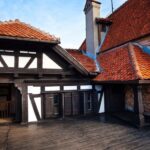
Sighișoara is also where the tour becomes more intimate. The citadel has continuous habitation since the 13th century, so it doesn’t feel like a theme park copy of medieval life. You’ll also see things tied to Vlad Tepes, including the Vlad Tepes House (Count Dracula), plus the museum space on-site.
Even if you’re tired, this is a good day to let the town soak in. The schedule is packed, but Sighișoara’s layout makes it easier to pause for snacks or just walk a few alleys.



Day 2 worth knowing
- Fortresses teach you something most castles don’t: what people feared and how architecture answered it.
- Sighișoara’s UNESCO setting makes the walk feel more meaningful than a one-off photo stop.
- Don’t skip the smaller streets. They’re part of why this town works.
Day 3: fortified churches, Vauban-style walls at Alba Iulia, and Corvin Castle
Day 3 is where the tour really earns its name: a sequence of castles and fortifications that don’t rely only on Dracula fame.
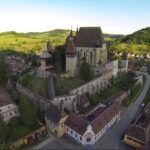
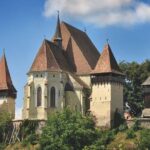
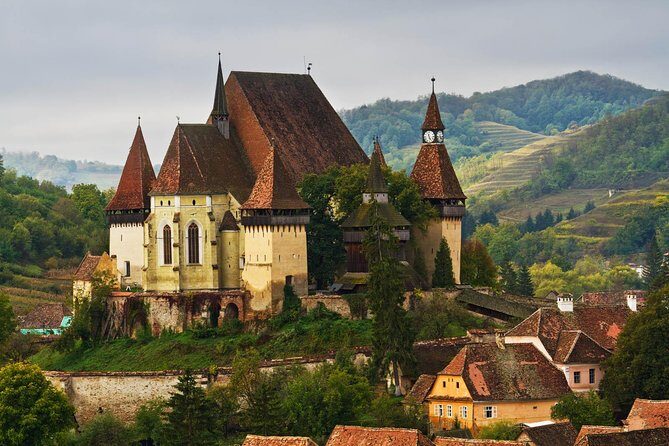
First is the area around Biertan, starting with Richiș for the gothic fortified church. This is the kind of stop you’ll appreciate more if you like slow-looking at stone details. The tour then moves to Biertan, famous for having Romania’s largest fortified church. It’s protected by three rows of walls, with six towers and three bastions—a scale that makes the church feel less like a single building and more like a defensive neighborhood.
Next comes Alba Iulia, where you get big-picture Romanian history compressed into a fortress setting. The stop includes the idea that the city evolved over more than 2,000 years, moving from Roman fort to medieval defenses and then to a Vauban-style fortress with a star shape and bastions. The result is geometry you can actually spot while you walk.
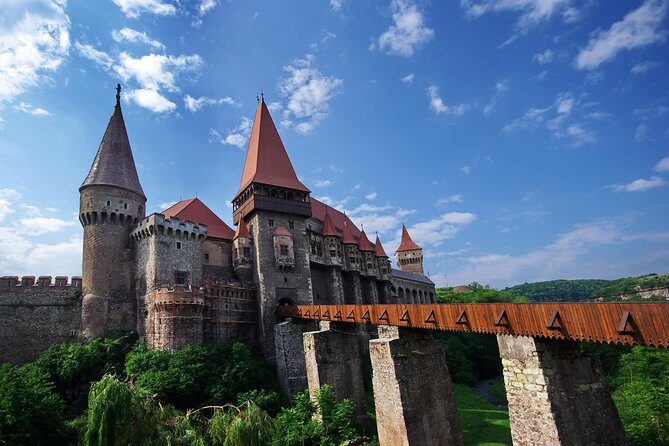
Then you finish the big castles portion with Corvin Castle (also known as Hunyad Castle). This is the Gothic tower-and-dragon-stone kind of place. The tour points out the tall towers and dragon carvings, which genuinely feel like they belong in a fantasy novel. It’s also tied to John Hunyadi, a legendary hero associated with stopping the Ottoman invasion.
By the end of Day 3, you sleep in Sibiu in a boutique hotel. That’s a smart move: Sibiu is the sort of town where you can recover a little while still enjoying medieval streets.
Day 3 worth knowing
- Fortified churches help you understand Transylvania’s real security story—villagers didn’t just admire walls; they lived behind them.
- Corvin Castle is a high-impact finale to the day. If you’re going to feel “castle fatigue,” this is the one that still tends to land.
Day 4: Sibiu’s medieval streets, the Bridge of Lies, and Curtea de Argeș
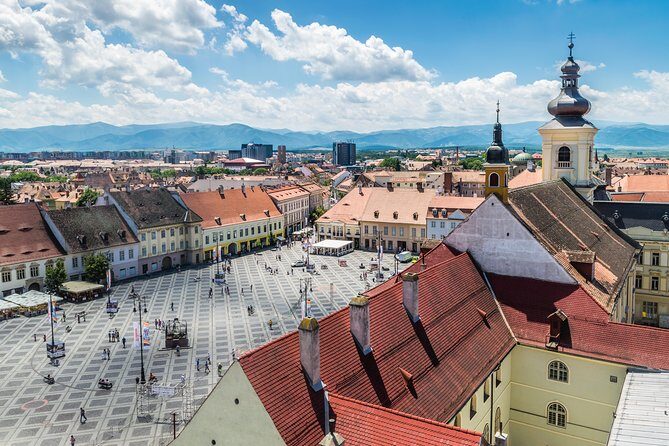
Your final day starts with a Sibiu city tour. Sibiu has a very German-medieval feel, with a central square and representative buildings around it. The walk includes passing over the Bridge of Lies, which is one of the most famous playful bridges in Romania, and then reaching the defensive walls.
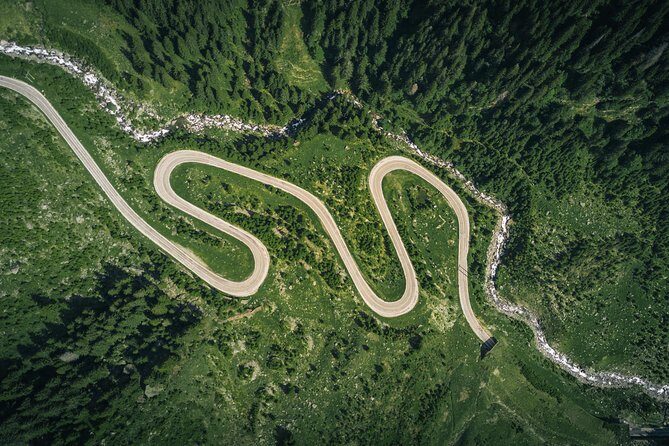
From there, you drive through the Carpathian Mountains area, along the Olt River, toward Curtea de Argeș. Your last major cultural stop is Curtea de Argeș Monastery, focusing on a beautiful Orthodox church and the necropolis connected to the great kings of Romania.
Finally, you head back to Bucharest at night, and the tour ends as your medieval circuit closes.
Day 4 worth knowing
- Sibiu’s walk is a good way to end. It’s calmer than jumping between towers all day, and you get town atmosphere rather than only fortifications.
- The monastery stop gives your tour a spiritual and historical reset before the long ride back.
Guides you might get (and what the best ones do)
You’ll be traveling with a professional English-speaking guide, and the human factor seems to make a difference on this route. Names that come up in standout experiences include George, Emil, Laurentiu, and Traian.
Across those accounts, the common thread is more than facts. The best guides on this kind of tour do three things well:
- They make the stories match what you see, from royal histories at Peleș to how Dracula lore connects to Bran.
- They keep you moving safely on roads and in crowds.
- They’re useful with practical tips like where to eat and what to prioritize in each stop’s limited time.
If you care about history but also hate feeling like you’re trapped in lecture mode, the small group size plus guide talent is exactly the combination to look for.
Who this Transylvania castles tour is best for
This tour fits best if you want a strong overview of Transylvania in a short time and you don’t want to plan transport between sites.
It’s a great match for:
- Castle and fortified-site lovers who want more than just one Dracula stop
- People who like the value of bundled entrance fees, hotels, and breakfasts
- Solo travelers who prefer a small group, since the cap is eight
It might not fit if:
- You need lots of free time each day
- You get cranky from continuous driving and frequent walking up to citadels
- You want maximum flexibility to linger long after the group moves on
Should you book this tour from Bucharest?
Book it if you want a structured, high-value route that hits the big names—Peleș, Bran, Corvin—while still spending real time on fortified churches and citadels like Biertan and Sighișoara’s medieval fabric. The inclusion list is the real selling point: hotels for three nights, breakfast, admissions, and a guide.
Hold off if you’re sensitive to pace. This is a “see a lot” itinerary. If you’re dreaming of long afternoons and slow wandering, you might prefer a less packed castle route or fewer stops with more downtime.
FAQ
What’s included in the Transylvania Castles 4-day tour price?
The tour includes hotel pickup and drop-off in Bucharest, accommodation for 3 nights in centrally located hotels, a professional English-speaking guide, one lunch with traditional local products, transportation in a modern vehicle, entrance fees, and 3 breakfasts.
What time does the tour start and where do they pick me up?
The start time is 9:00 am, and pickup is from any hotel in Bucharest.
How many people are in the group?
The tour has a maximum group size of 8 travelers.
Is the tour offered in English?
Yes, the tour is offered in English.
Can I stay in a single room?
You can, but the price is based on 2 people sharing a double room, and single travelers pay a single supplement fee.
How much time do I have to cancel for a full refund?
You can cancel for a full refund if you cancel up to 24 hours in advance of the experience’s start time.