REVIEW · BUCHAREST
From Dracula to Ceaușescu-Romanian Terror Stories Tour with Dacia
Book on Viator →Operated by Red Patrol · Bookable on Viator
A day of true crime meets classic car culture. This 6-hour Bucharest tour strings together 500 years of horror stories and pairs them with a restored Dacia from the 1980s—pickup included, plus monastery access. One thing to keep in mind: the themes are brutal and graphic, so this isn’t the right pick if you want light, fluffy sightseeing.
I love the way the tour mixes big, recognizable landmarks with smaller, specific stops like the Comana Monastery ossuary visit, not just general vibes. I also like the practical style: bottled water, a tour newspaper, and a guide who can keep the stories clear while you’re moving around. Your main trade-off is that you should expect some emotionally heavy material and a bit of walking during the stops.
Key highlights you’ll care about
- Restored 1980s Dacia ride (including the Dacia 1300 love-factor from past reviews)
- 500 years, 110 km of story-driven route through Bucharest
- Comana Monastery visit tied to Vlad the Dracula assassination and burial, plus an ossuary stop
- Ceaușescu-era landmarks at the House of Parliament construction site history (with specific numbers)
- Some admissions included, some not—so budget smart for the one stop that lists an admission ticket not included
In This Review
- A restored 1980s Dacia car makes the horror feel real
- 9:00 am to late-morning: where the route starts and why it matters
- Stop 1 at Piața Constituției: Ceaușescu’s construction costs in human terms
- Revolution Square Fountain: the timeline jumps, and that’s the point
- Old Town: the horror gets close to everyday life
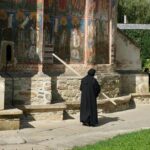
- Comana Monastery: Dracula’s assassination site, Vlad’s tomb, and an ossuary
- Comana natural reservation: battles and murders beyond the main stop
- The tour’s structure: why the 110 km and 5 stops work
- Price and value: what $185.22 covers (and what it doesn’t)
- Guides and atmosphere: the difference a good storyteller makes
- Should you book this Dracula to Ceaușescu horror-history Dacia tour?
- FAQ
- How long is the Dacia Dracula to Ceaușescu tour?
- Where does the tour start and end?
- What’s included in the price?
- Is lunch included?
- Is the tour private?
- What transport will you use during the tour?
- Are tickets included for every stop?
- What time does the tour begin?
- Is there a pickup?
- What’s the cancellation policy?
A restored 1980s Dacia car makes the horror feel real
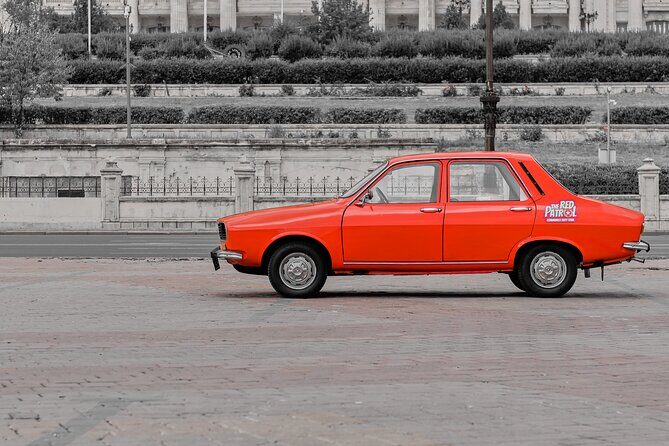
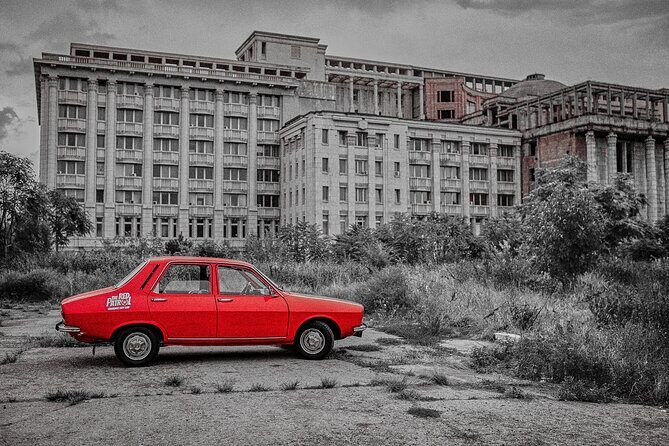
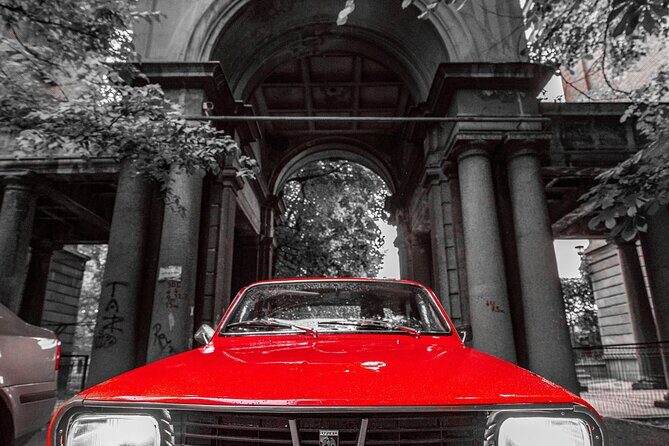
You’re in Bucharest for a story tour, not a museum day. The format helps: you ride through the city in a restored Romanian car from the 1980s, so the experience feels grounded in the place rather than locked behind glass. If you enjoy cars, the Dacia angle isn’t a gimmick. It’s part of the emotional tone—old-school, practical, and a little surreal as the darker chapters unfold outside the windows.
From the start, the logistics are built for easy participation. Pickup and drop-off are included from your Bucharest address, and the tour runs about 6 hours. You don’t need to figure out transport between stops; you just show up and go. Past visitors have singled out the car itself with real affection, including love for the Dacia 1300.
There’s also a thoughtful “move-with-the-day” setup: bottled water is provided, and you get a tour newspaper plus a personalized gift. That matters more than it sounds. When you’re hearing intense stories, having something tangible—something you can glance at between stops—helps you track the timeline.
9:00 am to late-morning: where the route starts and why it matters
This tour starts in the morning (9:00 am), meeting at Piața Revoluției. It ends back at the meeting point. That timing choice is useful if you’re trying to cover multiple heavy-history stops without losing your whole day to transit.
The duration is approximately 6 hours, so plan it as a main activity. If you have other plans later, keep them flexible. You’ll be moving between city locations and then heading out to Comana for the monastery and surrounding area.
Also note the “moderate physical fitness” level. Nothing in the info suggests extreme trekking, but you should expect enough walking and standing around at least a few points to be comfortable in the footwear you wear for a normal city day.
You can also read our reviews of more tours and experiences in Bucharest.
Stop 1 at Piața Constituției: Ceaușescu’s construction costs in human terms
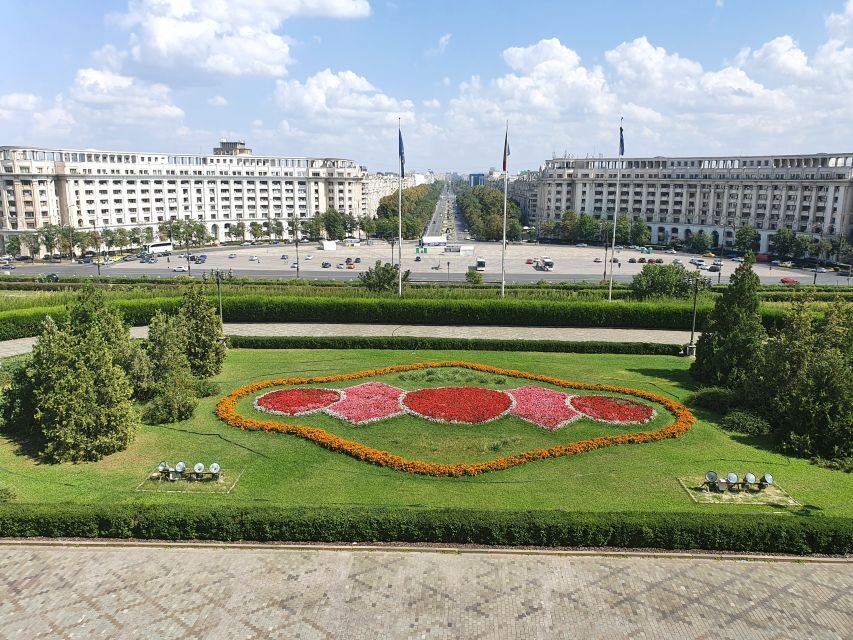
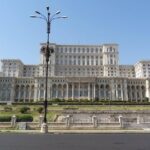
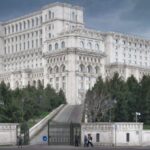
The first big stop sets the tone fast: Piața Constituției, centered on the House of the Parliament project that started in 1983. What makes this stop effective is that it doesn’t stay abstract. It’s framed with hard numbers from the construction period: 30,000 Romanians working in 3-hour shifts for 4 years, and 3,000 victims on the construction site.
That approach can hit hard, because you’re looking at a landmark that people still associate with political power and scale, while the story is about the human price behind it. Admission at this stop is listed as free, which is a practical perk. You can spend your energy on the story instead of worrying about another ticket.
Possible consideration: if you’re sensitive to tragedies tied to forced labor or mass loss, you might want to mentally pace yourself here. The tour does not soften the message.
Revolution Square Fountain: the timeline jumps, and that’s the point
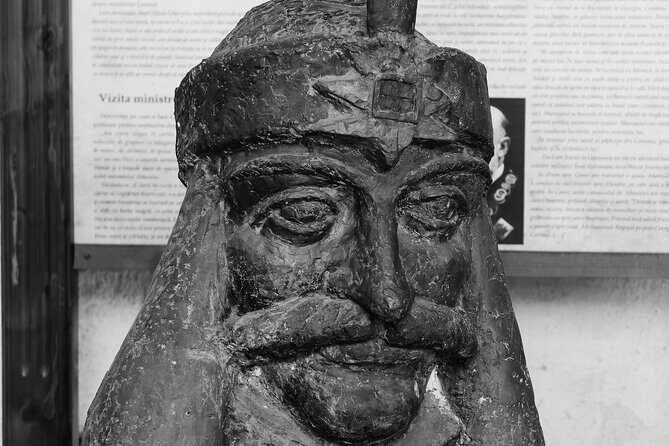
Next you’re at the Revolution Square Fountain, described as a central point for Romania’s last 100 years. This stop is where the tour’s style really clicks: instead of staying in one era, the stories jump backward and forward—connecting the symbolism of Bucharest’s political turning points with the older “Dracula” era and then cutting again toward more recent terror narratives.
The Dracula thread is tied to Vlad Dracul, also connected in the tour framing to the founder of Bucharest. Then the tour shifts to the idea of a 70s vampire serial killer and to crimes from Antebellum Bucharest. Even if some parts of these stories feel more legend-driven than textbook-clean, the value here is how the tour explains why fear and power keep repeating in the city’s storytelling.
There’s an item to watch: this stop lists an admission ticket as not included. Since it’s a fountain location, you may not need much beyond what you’re already paying for the tour, but don’t assume it’s zero-cost. If this is your first time on a story tour, I’d keep a little buffer money set aside for anything you’re asked to pay on the spot.
Old Town: the horror gets close to everyday life
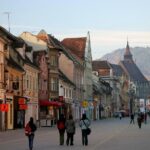
Then the tour moves into the Old Town, where the tone turns from monumental politics to something more unsettling: “everyday” horror. The stop focuses on stories set in the Old Town that include claims like human meat pies served in 70s Bucharest restaurants, an organ-traffic network connected to a 70s orphanage center, and a major bank robbery from the Socialist era.
Why this part can feel different: it’s harder to explain away. When you’re hearing about specific neighborhoods and activities that sound like normal life—food, institutions, money—your brain has less room to shrug and say this is just myth. It’s also a free-admission stop, so you’re paying for the guide’s framing, not extra entry fees.
Practical tip: since this is a story-focused walk/stop, pay attention early. The tour’s sequencing matters. If you tune in during the Old Town segment, you’ll feel the “pattern” the guide is showing: fear shifts forms across time, but it keeps attaching itself to ordinary places.
Comana Monastery: Dracula’s assassination site, Vlad’s tomb, and an ossuary
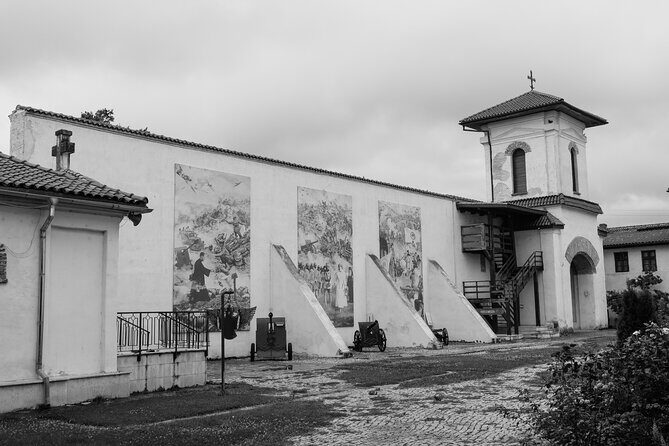
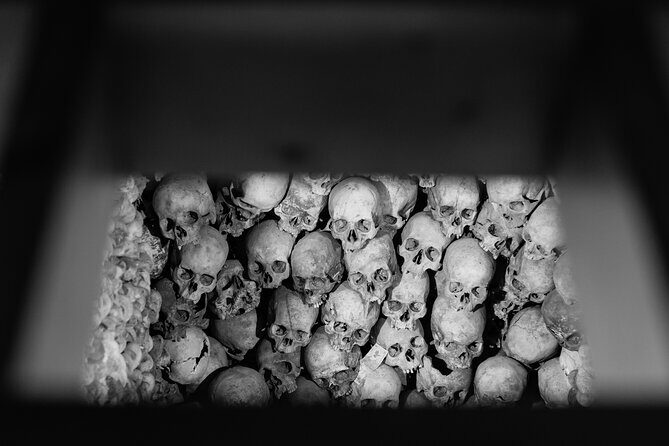
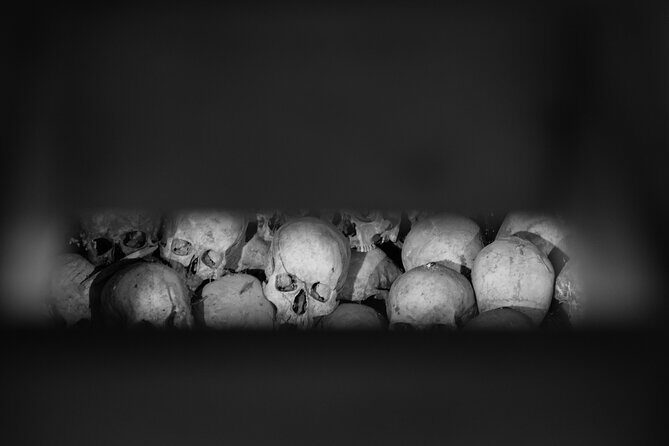
The big finale is out of central Bucharest: Comana Monastery. This is the centerpiece visit that connects multiple threads into one place. You’re told it’s the assassination place of Vlad Dracula, with visits to the tomb of Vlad Dracul and then an ossuary of victims from World War I.
This is where the tour goes from “dark stories” into “physical space.” Even without knowing any legend beforehand, the ossuary angle changes how the experience lands. It moves the emotion from spectacle to the reality of human loss.
Admission here is listed as included, which is a real value add. You’re not paying extra for the monastery access on top of the tour price, at least for the included parts. And you get time—about 45 minutes—which is enough to take in what’s there without feeling rushed through.
If you’re going mainly for Dracula-themed stops, this is the one you’ll probably remember most. If you’re going mainly because you like political horror history, you’ll still appreciate this because it anchors the timeline in a place.

Comana natural reservation: battles and murders beyond the main stop
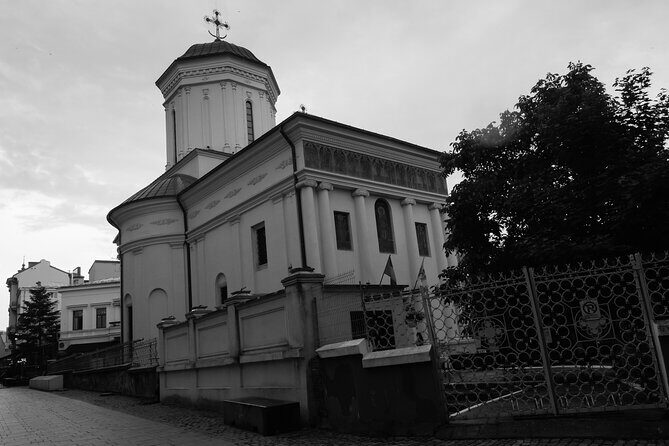
After the monastery, you get a shorter follow-up stop in Comana—time-wise around 20 minutes—focused on a natural reservation near the Vlad Dracula assassination area. The story framing includes battle fights and murders starting from the 15th century.
This segment is not likely to feel as intense as the monastery, but it plays an important role. It helps you imagine the broader setting around the legend: not just one building with artifacts, but the surrounding area where violence happened. The admission at this stop is listed as free, so again, you’re paying mainly for the guide’s storytelling and the ability to get there efficiently.
The tour’s structure: why the 110 km and 5 stops work
The tour covers about 110 km and runs for around 6 hours with five stops. That matters because it keeps the experience from turning into a “stand at one corner and listen” format. You’re changing scenery enough to keep your attention engaged, especially since the subject matter is heavy.
Here’s what the pacing does well:
- It front-loads the political weight (Ceaușescu-era construction losses).
- It then layers in the Revolution-era symbolism.
- It pivots into Old Town stories where the fear sounds disturbingly close to daily life.
- It saves the monastery and ossuary visit for the end as the emotional landing spot.
Could it be too intense for some people? Yes. That’s the main trade-off. This isn’t a light history walk. It’s horror-history, and the stories are described with extreme violence. If that’s not your thing, you’ll likely feel like you’re being dragged through nightmares rather than guided through understanding.
Price and value: what $185.22 covers (and what it doesn’t)
At $185.22 per person for a roughly 6-hour experience, the value depends on what you care about most: the car, the access, and the convenience.
What’s included:
- Hotel pickup and drop-off from your Bucharest address
- Ride in a restored 1980s Dacia
- Tour newspaper and a personalized gift
- Bottled water
- Access to the Monastery, the Ossuary, and the Natural reservation
What’s not included:
- Lunch
So you’re paying for a bundled day: transport + guide + story stops + the main included admissions. If you were to self-arrange comparable access and driving, it’s very likely you’d spend more than this once you factor in transport time and the hassle of coordinating entry points.
My practical advice: since lunch isn’t included, plan a simple meal before you start or build in time afterward. Also, because one stop lists admission not included, keep a small extra budget handy just in case.
Guides and atmosphere: the difference a good storyteller makes
The quality of a story tour comes down to the guide. In the available feedback, two names show up repeatedly: Crinu and Nenciu Costin Catalin. The common thread is competence and friendliness—guides who manage to keep the experience fun and educational while covering violent, unsettling topics.
That balance is important. Horror-themed tours can easily turn into chaos: too many claims, too many jumps, not enough structure. The reviews point toward a more organized approach—pickup on time, clear coverage of the key stops, and an ability to make the day feel like a ride through history rather than a pile of shock facts.
Should you book this Dracula to Ceaușescu horror-history Dacia tour?
Book it if:
- You want a story-driven Bucharest experience, not a checklist of landmarks
- You like the idea of seeing sites tied to Dracula-era and 20th-century terror in one continuous route
- You enjoy the novelty of a classic Dacia ride, especially if you’re car-friendly
Skip it (or choose something gentler) if:
- Graphic violence and dark subject matter will sour your day
- You prefer history told with less horror framing
- You don’t want to plan around a longer morning/early-afternoon block with no lunch included
The decision hinge is simple: you’re choosing between comfort and curiosity. This tour leans hard toward curiosity.
FAQ
How long is the Dacia Dracula to Ceaușescu tour?
It runs for approximately 6 hours.
Where does the tour start and end?
It starts at Piața Revoluției, București, Romania and ends back at the same meeting point.
What’s included in the price?
The price includes hotel pickup and drop-off, a ride in a restored 1980s Dacia, a tour newspaper, a personalized tour gift, bottled water, and access to the monastery, ossuary, and the natural reservation.
Is lunch included?
No, lunch is not included.
Is the tour private?
Yes. It’s listed as a private tour/activity, and only your group participates.
What transport will you use during the tour?
You’ll ride in a restored Dacia car from the 1980s.
Are tickets included for every stop?
Not every stop is guaranteed to be fully ticketed. The monastery/ossuary/natural reservation access is included, while one listed stop mentions an admission ticket not included.
What time does the tour begin?
The start time is 9:00 am.
Is there a pickup?
Yes, hotel pickup and drop-off from your Bucharest address are included.
What’s the cancellation policy?
Free cancellation is available. You can cancel up to 24 hours in advance for a full refund. If you cancel less than 24 hours before the start time, the amount paid is not refunded.