REVIEW · BUCHAREST
Dracula beyond the legend: 8-day private tour in Transilvania
Book on Viator →Operated by Rolandia · Bookable on Viator
Eight days of Dracula, minus the flimsy folklore. This private-style route strings together Vlad Tepes locations across Bucharest, Wallachia, and Transylvania, so you don’t just “visit spooky places” you learn why the story stuck. I especially like how the stops cover both the famous legends and the real-world power plays behind them.
I also really liked the practical way this tour runs: a professional English-speaking guide, included entrance fees, and guided transport that keeps you from wrestling maps between far-flung castles. On at least one recent departure, the guide Florin was praised for steady logistics and making hotel check-ins painless, which matters on a multi-day road trip like this.
One possible drawback: the itinerary is full, with long travel days and a decent amount of walking in medieval centers and fortresses. If you’re not happy with a moderate pace and lots of stair-ish terrain, you may feel it by the end of day 7.
In This Review
- Key highlights and why they matter
- Dracula’s myth gets grounded in real places
- Bucharest’s Palace of Parliament and Old Town: a strong start
- Târgoviște and Curtea de Argeș: Wallachia’s medieval power center
- Transfăgărășan scenery, then Sibiu’s living history
- Corvin Castle and Densuș Church: Renaissance-Gothic drama meets ancient roots
- Alba Iulia Citadel and Turda Salt Mine: big fortification energy, then underground play
- Saxon fortified churches and Sighișoara’s medieval citadel
- Brasov’s Black Church and the Bran Castle Dracula stop
- Snagov Monastery: Vlad’s burial legends after the castle hype
- Hotels, transport, and pacing in an 8-day road-and-walk plan
- Price and value: does $3,113 per person make sense?
- Who should book this Dracula beyond the legend tour
- Should you book it?
- FAQ
- How long is the Dracula beyond the legend tour?
- Where does the tour start, and when?
- What language is the tour guide?
- What’s included in the price?
- Which big castles are included?
- How big is the group?
- What should I know about cancellation?
Key highlights and why they matter
- Vlad Tepes connections, place by place: myths get grounded in Wallachia and Transylvania sites linked to his world.
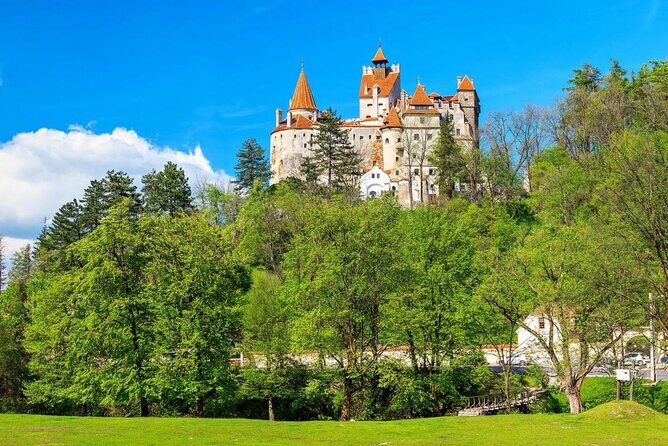
- Two headline castles, properly covered: Bran and Peles are part of the promised castle lineup.
- Fortress-heavy sightseeing: Corvin Castle, Alba Iulia, and Saxon fortifications deliver big stone-and-story energy.
- Sibiu’s ASTRA Museum carriage ride: a classic, slow-paced bonus that breaks up the road travel.
- Sighisoara’s UNESCO medieval core: a living medieval town with a Clock Tower museum stop.
- Salt Mine fun in Turda: a change of mood from castles to underground play.
Dracula’s myth gets grounded in real places
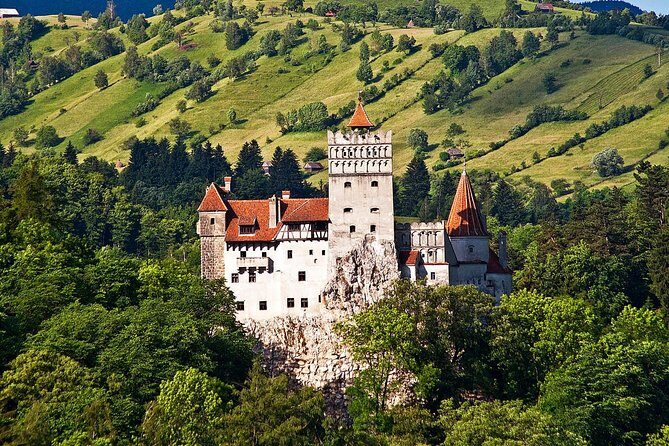
The best thing about this experience is the angle: it treats Dracula as a story with roots. Instead of leaning only on folklore costumes, you’re led through cities and monuments tied to the politics, sieges, and legends around Vlad the Impaler. You’ll hear how Bram Stoker’s Dracula latched onto a particular idea of power, violence, and fear, then you’ll watch how that idea echoes in stone.
That matters because Transylvania is not just one spooky region. It’s layers: Romanian principalities, Saxon towns, Ottoman pressure, and Habsburg-era fortification styles. When your itinerary moves through each layer, the Dracula talk starts to feel less like “a theme” and more like a map of cause and effect.
You can also read our reviews of more private tours in Bucharest

Bucharest’s Palace of Parliament and Old Town: a strong start
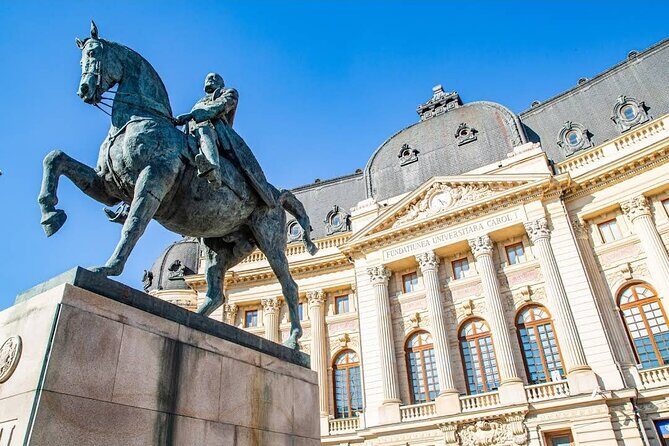
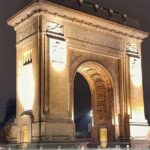
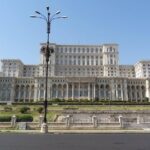
You begin in Bucharest at 9:00 am, with pickup from your hotel. The first stop is the Palace of the Parliament, also called Casa Poporului, built from 1984 to 1997. It’s famously massive and is described as the largest administrative building in the world, and seeing that scale in person puts your whole trip in context.
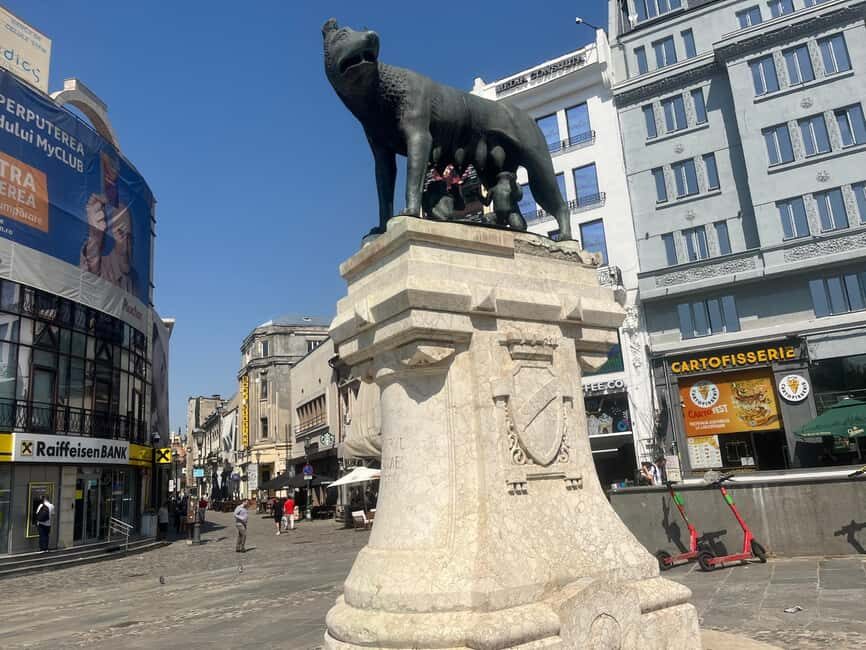
After that, you shift gears into a walking tour of the Old Town (Centrul Vechi). You’ll pass cafes and restaurants, but the tour keeps history in your line of sight, including the Curtea Veche (Old Court)—the first royal court in Bucharest that’s linked to Vlad Tepes in the city’s broader story.
What I like here: this day doesn’t dump you into only “a castle-and-monsters” mindset. It gives you a modern capital setting where the past feels present, even when the buildings look nothing like a medieval fortress.
Târgoviște and Curtea de Argeș: Wallachia’s medieval power center
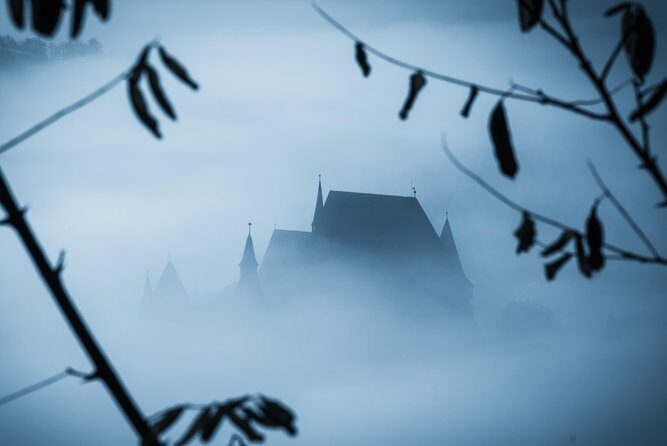
Day 2 starts with a drive to Târgoviște, historically important as a capital of Wallachia. You’ll get a tour built around the Princely Court, the Princely Church, and the Chindia Tower, with background on how the city served as a secondary residence for Wallachian princes. This is where the Vlad story gets sharper, because you hear about sieges and shifting control, not just horror-movie imagery.
One of the most memorable threads is the mention of Ottoman pressure: the city was sieged and set on fire by Bayezid I in 1395, and later Vlad’s actions are described as stopping Ottoman advance during 1462. Even if you’re only half-interested in medieval battles, the point lands: this region mattered, and Dracula became a shorthand for that intensity.
From there you visit Curtea de Argeș Monastery, built between 1512 and 1517. It’s famous for the Romanian myth of Manole, a story that underlines how “lasting” things often cost something. You’ll also learn that the monastery is the final resting place for members of the Royal House of Romania.
This pairing—court and monastery—works because it shows two faces of power. One is political and military. The other is cultural and spiritual, but still tied to the same ruling families.
Transfăgărășan scenery, then Sibiu’s living history
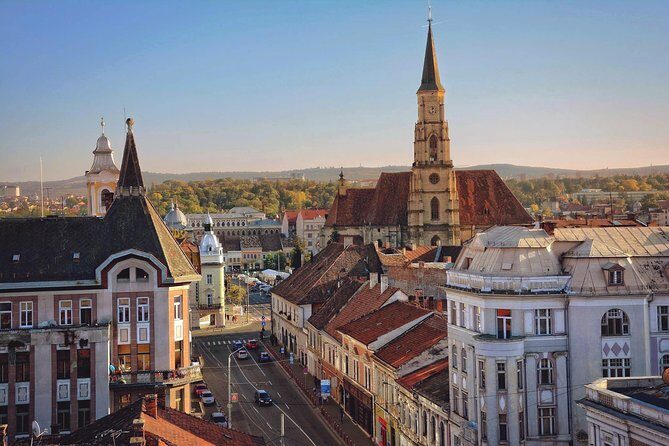
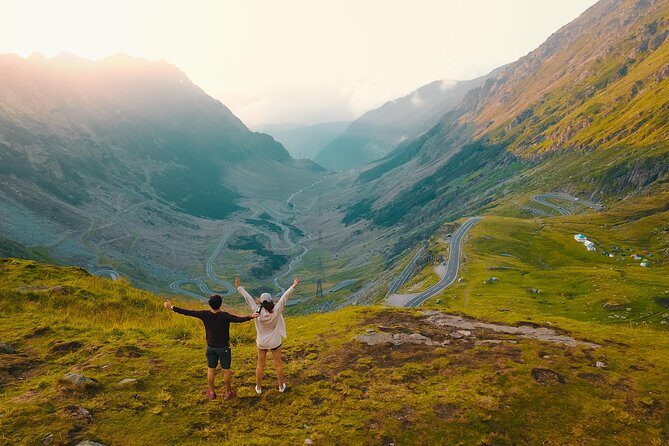
Day 3 includes a break from vampires and into landscapes. You’ll travel on Transfăgărășan Highway, crossing the Southern Carpathians through the Făgăraș Mountains. The route reaches 2042 meters, and it’s the kind of stretch where you want your camera ready because the road itself becomes the attraction.
After that, the tour heads toward Sibiu. The standout here is a stop at Muzeul ASTRA, where you take a ride with a wooden carriage. The museum focuses on traditional buildings and household objects, and it gives you a slower pace than castle interiors. You’re not just looking at artifacts; you’re seeing how people lived.
Then you walk Piata Mare (Main Square) in Sibiu and see landmarks like the Brukenthal Museum, the Holy Trinity Roman Catholic Cathedral, and Huet Square with its Evangelical Church. You’ll also get time to explore the city center on your own, which is a nice reset after days full of scheduled stops.
I like Sibiu in this itinerary because it’s not only a “Dracula city.” It’s where you see the multicultural shape of the region, and that makes Vlad’s story feel even more specific—embedded in a wider world rather than floating above it.
Corvin Castle and Densuș Church: Renaissance-Gothic drama meets ancient roots
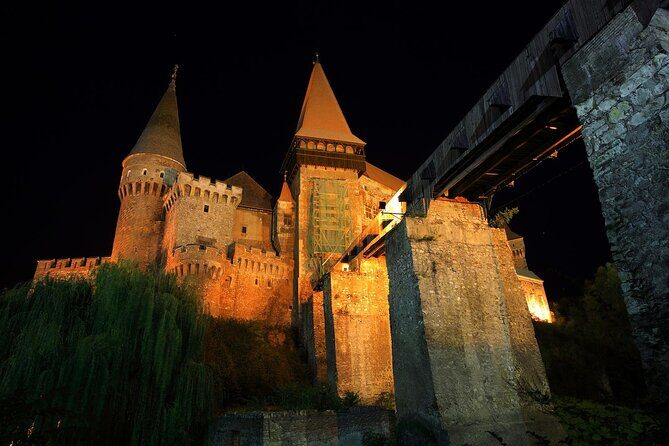
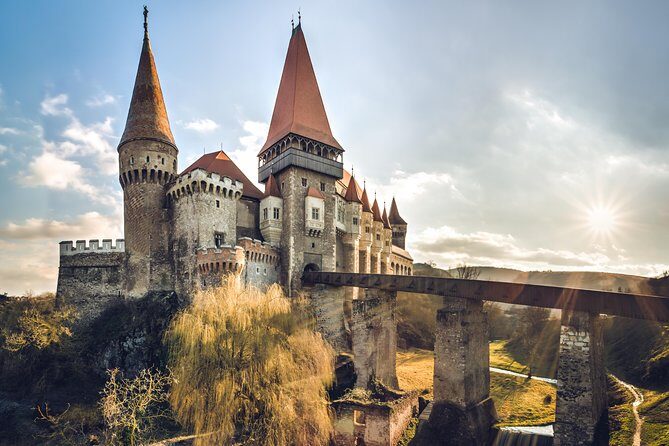
Day 4 begins with Castelul Corvinilor, also known as Hunyadi Castle, in Hunedoara County. The tour frames it as one of the largest medieval castles in Europe, with Renaissance-Gothic architecture and a moat, towers, and bastions. There’s also a legend that this is where Vlad the Impaler was imprisoned for 7 years, which gives your castle visit a built-in narrative tension.
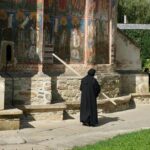
Then you head to Densuș Church in Densuș village. This stop adds a different kind of atmosphere. The church is said to be among the oldest still standing in Romania, with murals dating back to the 15th century. You’ll also hear competing theories about the site’s origins: one idea is that it started as a pagan temple, based on features like the altar placement and the roof shaped like a dove; another is that it was built as a mausoleum for the Roman general Longinus Maximus.
If you like architecture that makes you ask questions, this is a great pairing. Corvin Castle tells you about power and defense. Densuș tells you about how layers of belief can stack over centuries in the same place.


Alba Iulia Citadel and Turda Salt Mine: big fortification energy, then underground play
Day 5 starts in Alba Iulia, focused on the Alba Carolina Citadel, built between 1715 and 1738. The tour explains that this citadel connects to earlier fortifications, including the Roman Castle of Legio XIII Gemina and a medieval citadel at Bălgrad. What makes it especially interesting is the fortification style: it’s described as representative of Vauban bastion planning, linked to the Habsburg defense needs after conquest, including a fortification system connected to Prince Eugene of Savoy.
This is one of those days where the “shape” of the place matters. When you see a citadel designed to control movement with angles and bastions, it’s easier to understand why Transylvania’s history is tied to walls, not just battles.
Later you go to Salina Turda, the Turda Salt Mine. You’ll hear that salt mining here goes back centuries and that it’s mentioned as early as 1075. Today, it’s turned into an underground attraction with mini-golf, ping pong, bowling, a Ferris wheel, and even a boat ride on the underground lake.
That salt mine stop is great value because it breaks the “same-feeling” pattern. One day you’re studying fortifications. The next you’re literally playing in a mine. It’s a mood shift that keeps the trip fun.
Saxon fortified churches and Sighișoara’s medieval citadel
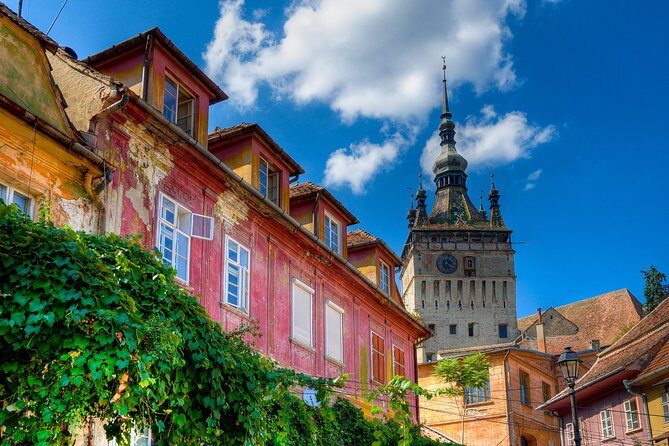
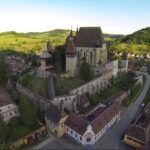
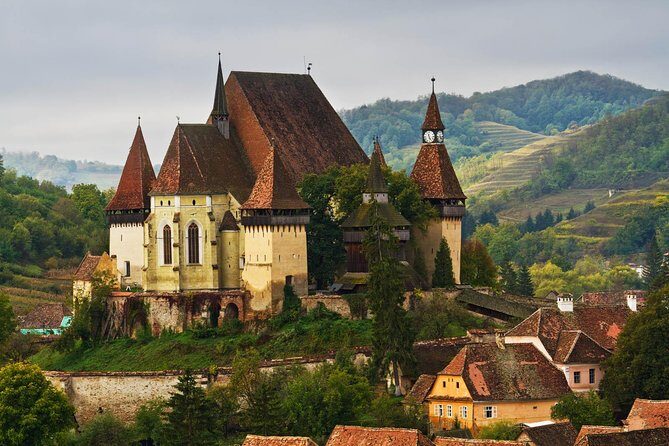
Day 6 hits two different kinds of “stone culture.” First is Biertan Fortified Church, reached from Cluj. It’s in a Saxon village and is surrounded by three sets of walls, with Gothic architecture inside. The trip leans into the feeling you get when defenses form part of everyday religious life, which is a strong change from the Wallachian palace-court focus earlier.
Then you head to Sighișoara, described as the only inhabited medieval fortress in Europe and a UNESCO World Heritage Site. You’ll walk the medieval citadel on winding cobblestones and reach the Clock Tower, the city’s symbol. Inside, there’s a museum of medieval weapons and a torture chamber, which explains the “dark history” vibe without turning it into pure fantasy.
Sighișoara also connects directly to Vlad Tepes, described here as the birthplace of the impaler. You’ll visit the place where he lived during his early years, which is one of those “close-to-the-source” stops that makes Dracula talk feel grounded.
Brasov’s Black Church and the Bran Castle Dracula stop
Day 7 is where the headline Dracula experience arrives. In Brasov, you’ll take a walking tour through the historical center, including Council Square and the Black Church, described as a famous Gothic cathedral. The route includes narrow streets and “secrets” tied to the city center, and it gives you a clean urban contrast to the fortress days.
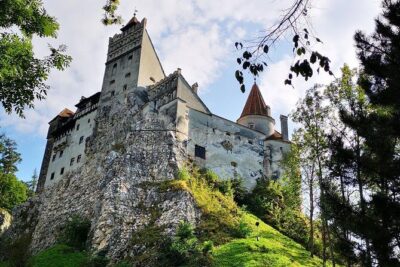
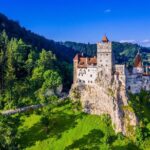
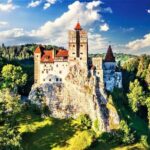
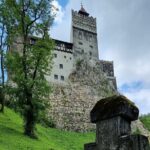
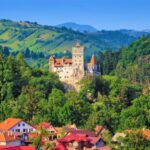
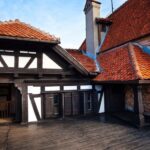
Then you go to Bran Castle, often called Dracula’s Castle. It’s described as built in the 13th century on top of a 60-meter cliff, guarding a key access route into Transylvania. This is the classic setting that people want, but the tour keeps it more informative than theatrical. The story connection is clear, and the architecture does the heavy lifting.
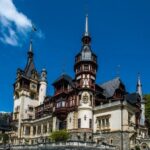
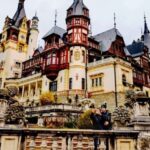
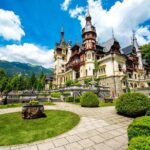
Also, the broader tour promise includes Peles Castle as one of Romania’s two most famous castles. If you care about the difference between a spooky-looking medieval stronghold and a more elegant, royal castle style, this combo is worth it. You’ll get contrast in how power gets displayed.
Snagov Monastery: Vlad’s burial legends after the castle hype
After Bran, the tour heads back toward Wallachia for a visit to Snagov Monastery, described as the burial place of Vlad Tepes. This stop comes with controversy and competing legends. One version says Vlad wasn’t killed by the Turks but was ransomed by his daughter and brought to Italy.
The most commonly accepted legend provided here goes like this: after Vlad’s death and assassination, rival families supposedly blocked a Christian burial. In response, monks at Snagov are described as stealing the prince’s body and giving him a proper burial in secrecy.
This is a good final Dracula link because it reminds you that even “the ending” of a legend can shift. The tour doesn’t make you choose between fantasy and facts; it shows how stories evolve when politics and fear get involved.
Hotels, transport, and pacing in an 8-day road-and-walk plan
This is a modern-vehicle guided transport tour with included airport pickup and drop-off. You’ll stay for 7 nights in centrally located hotels and start with pickup from any hotel in Bucharest, with the day starting at 9:00 am.
The group size is small, capped at 8 travelers for the tour format, with an overall cap of 14 people per booking. Either way, you should expect a quieter feel than big coach tours, and it helps when you’re moving between places far apart.
Physical effort is listed as moderate. That usually means walking old streets and climbing into historical sites with uneven stone floors. If you’re comfortable with that, you’ll be fine. If not, you might want to mentally budget for slower moments during castle interiors and fortification stairs.
Price and value: does $3,113 per person make sense?
At $3,113.31 per person, this isn’t a cheap Dracula trip. But private-style routing in Romania adds up fast because you’re paying for two things most budget itineraries skip: time and logistics. You’re not just buying a list of attractions—you’re buying transport, a guide, and entrance fees across multiple regions.
What’s included that makes the price more reasonable:
- 7 nights in centrally located hotels with breakfast
- Professional English-speaking guide
- Airport transfers
- Entrance fees for the listed sights
- Carriage ride in Sibiu (included)
What you’ll still pay:
- meals beyond what the itinerary includes (not listed as fully all-day coverage)
- health insurance and airplane tickets
If you’d otherwise piece together this route yourself, you’d spend money on transport and entry tickets anyway, plus you’d be doing the planning work between Wallachia, Transylvania, and the far reaches of castle territory. Where this tour really earns its cost is in how it handles the in-between travel days and keeps the story-thread coherent.
Who should book this Dracula beyond the legend tour
You’ll likely love this tour if you:
- want Dracula to be more than a gimmick
- enjoy castles, fortifications, and medieval towns
- prefer a guided, structured route over renting a car and driving yourself
- like history that ties together architecture, power, and myth
You may want to skip it if you:
- dislike packed schedules and daily transitions
- need very light walking or minimal stairs
- only want the simplest, most touristy Dracula highlights with no deeper context
Should you book it?
Yes—if you want a trip where the Dracula theme has substance. The strongest reason to book is the way the itinerary links places directly associated with Vlad Tepes and the broader forces behind the myth, from Bucharest’s monumental modern landscape to Saxon fortified towns and the Bran setting. Add included entrances and a real guide, and you get a clear day-by-day structure without the planning headaches.
If you want the absolute loosest vacation style with lots of free time, this might feel full. But if you’re the type who likes to learn while you travel, this tour gives you exactly that, with enough breaks (like ASTRA and Turda’s underground fun) to keep it from becoming pure stone-and-suspense.
FAQ
How long is the Dracula beyond the legend tour?
It runs for 8 days (approx.).
Where does the tour start, and when?
It starts at 9:00 am with pickup from any hotel in Bucharest.
What language is the tour guide?
The tour is offered with a professional English-speaking guide.
What’s included in the price?
The package includes 7 nights of centrally located hotels with breakfast, airport pickup and drop-off, transportation in a modern vehicle, entrance fees for the listed sights, and a wooden carriage ride in Sibiu.
Which big castles are included?
The tour description includes Bran Castle and Peles Castle.
How big is the group?
The experience lists a maximum of 8 travelers, and it also notes a maximum of 14 people per booking.
What should I know about cancellation?
There is free cancellation, with full refund available if you cancel at least 24 hours before the experience’s start time.