REVIEW · BUCHAREST
Bucharest: Private Last Days of Ceausescu Tour in a Dacia
Book on GetYourGuide →Operated by Gold Voyage · Bookable on GetYourGuide
Bucharest gets darker when you watch power collapse. This private last-days of Ceaușescu tour uses a restored vintage Dacia to follow the real geography of the 22nd–25th of December 1989. You’ll move from landmark to landmark with an English-speaking local guide, linking what you see on the street to what was happening to Ceaușescu and Elena in real time.
I love the way this tour turns big, political dates into specific places—Revolution Square, the escape story, and the key sites tied to his detention, judgment, and execution. I also like the practical touches: water in the car, a smooth professional driver, and time for breaks so the day doesn’t drag. The car feels more comfortable than you’d expect for a classic Dacia.
One consideration: the subject matter is heavy and tense, and the tour isn’t set up for everyone. It’s not suitable for children under 10, people with back or heart problems, pregnant women, or anyone over 70, so check your comfort level before booking.
In This Review
- Key Things You’ll Remember From This Dacia Tour
- Entering The Dec 1989 Story Via a Restored Dacia
- Revolution Square: When the Communist Era Turns Into a Street Scene
- The Helicopter Escape Narrative: Following Power’s Retreat
- Ceaușescu’s Run Toward Support: Steel Factory and Militia Station
- Ceaușescu Last Hours Museum: A Guided Stop That Holds the Day Together
- House of Ceaușescu: Power Up Close, Not as a Myth
- Târgoviște Push and the Capture Dayframe
- Detained, Judged, Executed: Where the Story Ends (Partially)
- Palatul Primăverii: The Private Residence With Tickets Included
- How the Private Format Actually Helps (And When It Might Not)
- Price and Value: Is $223 Worth It?
- Should You Book This Dacia Ceaușescu Last Days Tour?
- FAQ
- How long is the Bucharest private Dacia Ceaușescu last-days tour?
- Where does pickup happen?
- How much does the tour cost?
- Is the tour guided in English?
- What sites will I visit?
- Can I enter the execution building inside?
- Is there an entrance fee included for Palatul Primăverii?
- Who should not book this tour?
- What do I need to bring?
Key Things You’ll Remember From This Dacia Tour
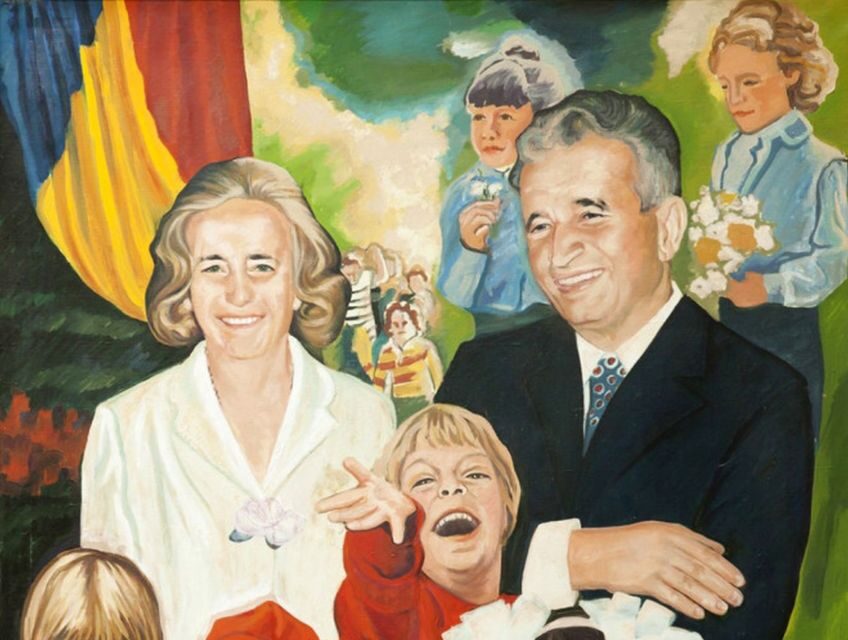
- A private Dacia ride that makes the Dec 1989 story feel street-level, not abstract
- Revolution Square for the start-and-end symbolism of Romania’s communist era
- Ceaușescu’s escape storyline followed like a timeline, from helicopter departure to capture area
- Short “secret” photo stops that add context without turning the day into a long slog
- Ceaușescu Last Hours Museum for a guided, focused stop in the middle of the day
- Palatul Primăverii (Palace of Primăverii) with museum tickets included for the private side of power
Entering The Dec 1989 Story Via a Restored Dacia
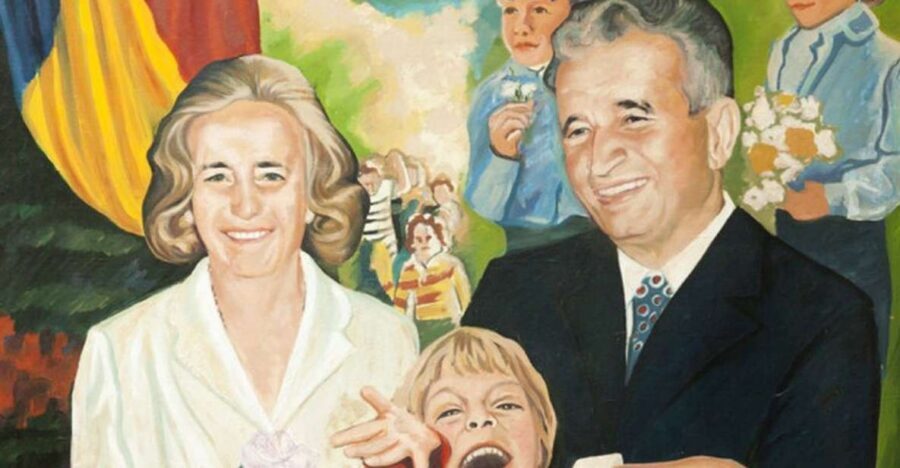
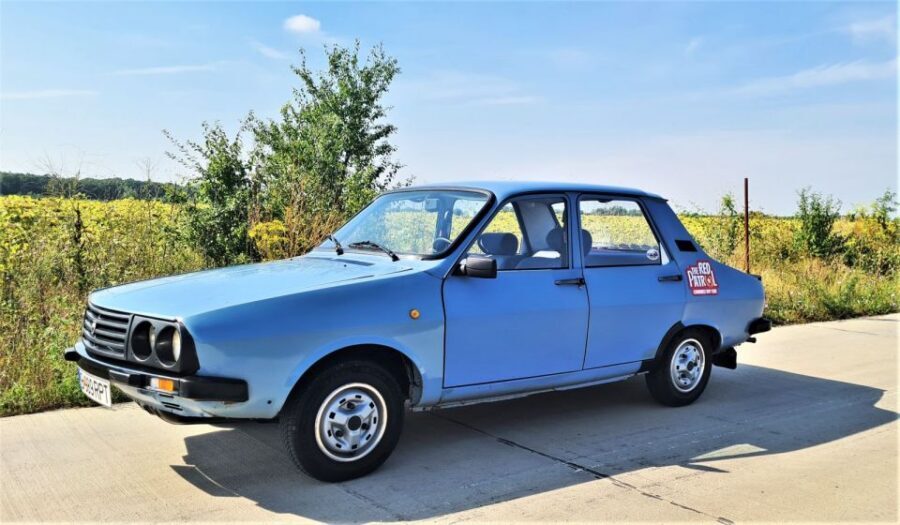
This is the kind of tour that changes how you see Bucharest. Instead of a standard “history highlights” loop, you’re traveling through a sequence of events that ran fast and ended violently. And doing it in a restored classic Dacia is part of the point: it keeps you grounded in the feel of the city, not just the photos.
You’ll have a professional local guide and driver, and the group is private. If there are more than two people, you can ride as a small convoy (two or three cars), which helps keep the experience comfortable and paced.
Timing matters here. The tour runs about six hours, covering roughly 90 km toward Târgoviște and back—so you get both Bucharest scenes and the wider run that led to the capture. In other words, it’s not just “inside Bucharest,” and that extra distance makes the story feel more complete.
You can also read our reviews of more private tours in Bucharest

Revolution Square: When the Communist Era Turns Into a Street Scene
Revolution Square is the opening anchor of the tour, and it’s hard to visit it without feeling the contrast between then and now. This is where you get the big framing: the moment communism started and also the place it ended, in the public imagination of 1989.
Your guide’s job here is to connect symbolism to what people actually saw and did. You’ll get a photo stop plus a guided walkthrough, about 40 minutes, and it’s designed to help you understand why this square mattered beyond slogans.
Practical tip: give yourself a moment before you move on. Even if you know Romanian history, it helps to slow down here—because later stops will make more emotional sense once you’ve felt the “beginning and ending” weight of the location.
The Helicopter Escape Narrative: Following Power’s Retreat
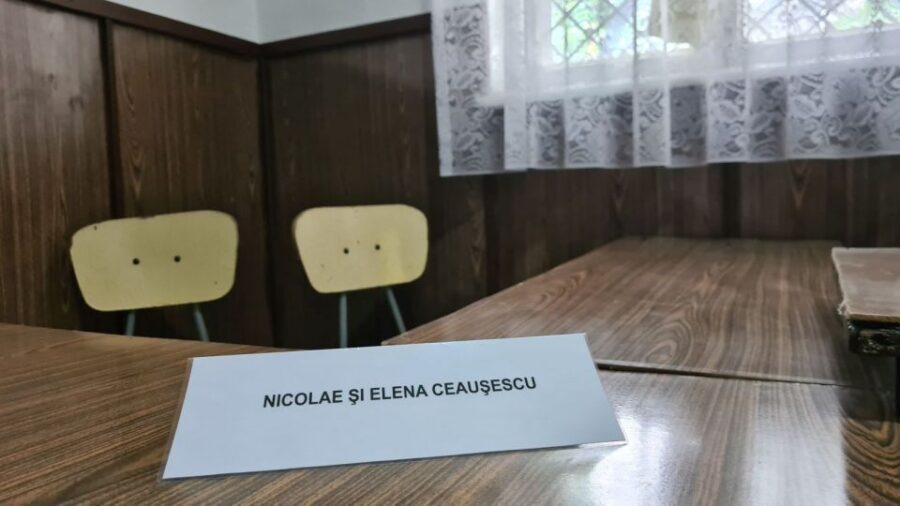
One of the most compelling parts of this tour is that it follows Ceaușescu’s last-day movement as a story line, not a list. You’ll trace the helicopter escape from the roof of the Communist Party Headquarters Palace, then follow the shift from panic and bargaining to a desperate attempt to regroup.
The tour is built around that “last hours” feeling:
- a drive that re-creates the route logic of the day,
- photo stops where you’ll be able to position yourself for the right perspective,
- and guided stops that focus on what Ceaușescu was trying to do next, and why it didn’t work.
There are also a couple of shorter secret stops—brief guided moments that give extra context and helps you connect the dots without turning the day into a classroom lecture. These tend to be the stops where the guide’s narrative skills matter most, because you’re not just looking at a building—you’re being asked to imagine a chaotic chain of decisions.
Ceaușescu’s Run Toward Support: Steel Factory and Militia Station
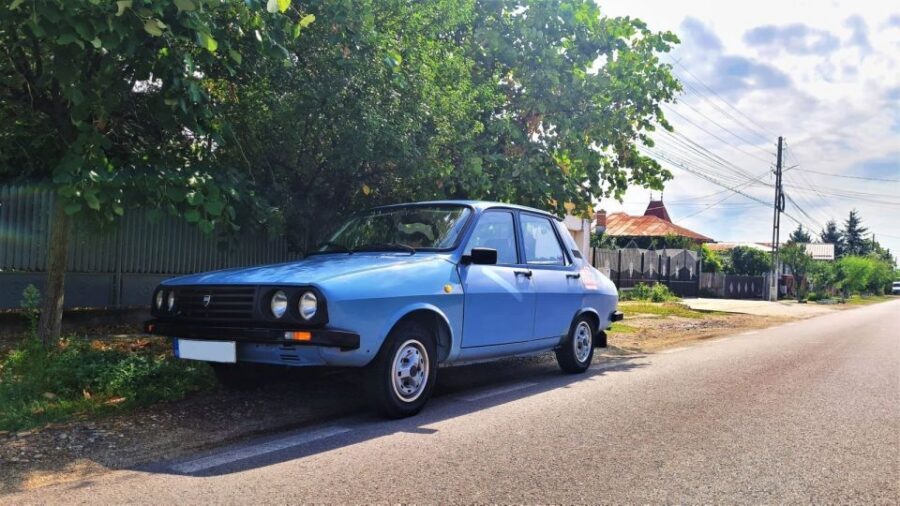
As the timeline unfolds, you’ll reach places tied to Ceaușescu’s attempts to organize support—before everything collapses. Two specific stops stand out in the way the tour is described: the Steel Factory and the Militia station.
This section of the experience works best if you let go of the urge to reduce 1989 to one sentence. Here, the story is about effort and failure happening in quick succession. You’re not just hearing who was in charge; you’re hearing what Ceaușescu hoped would happen after losing momentum.
You’ll also have a named moment during the drive where Ceaușescu abandons the helicopter and continues his run in a Dacia. That detail might sound almost cinematic, but it helps make the action concrete—especially when you’re sitting in a classic car yourself.
Ceaușescu Last Hours Museum: A Guided Stop That Holds the Day Together
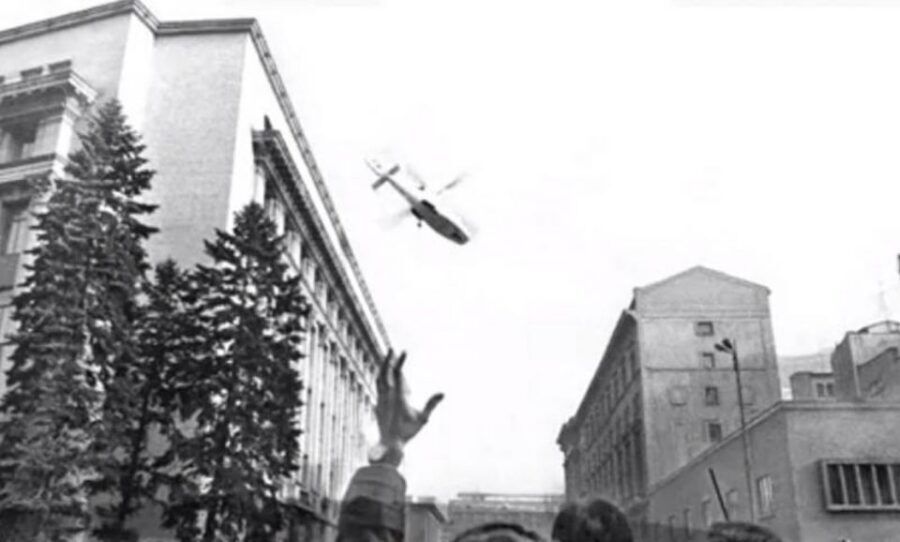
Midday, you’ll visit the Ceaușescu Last Hours Museum for a guided walkthrough and sightseeing time (about 25 minutes). This kind of stop is useful because it prevents the day from becoming only geography and motion.
Museums are where the guide can slow things down and frame what you’ve already seen. Expect a guided visit style that supports the tour narrative—helping you understand what the “last hours” actually meant on the ground, not just in news headlines.
If you’re sensitive to intense political history, pace yourself here. A short, guided museum stop is often the sweet spot: long enough to add context, short enough not to overwhelm.

House of Ceaușescu: Power Up Close, Not as a Myth
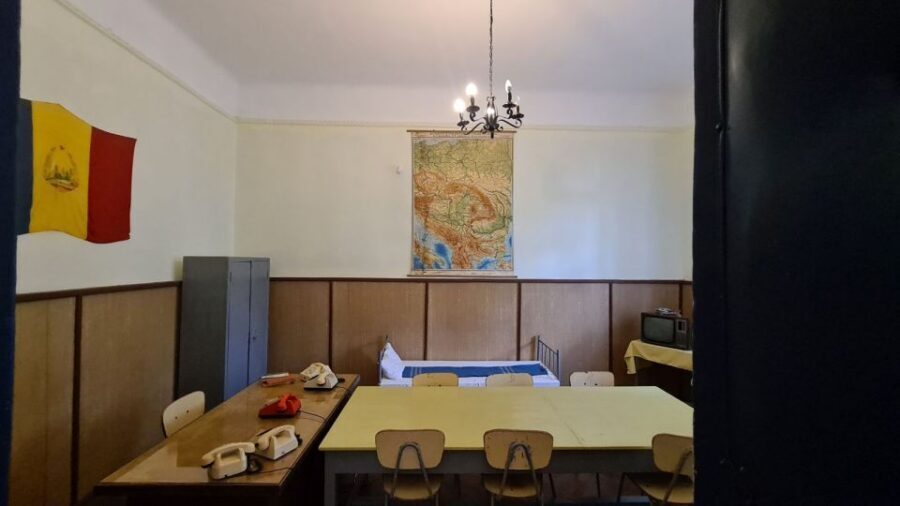
After the museum, you’ll head to the House of Ceaușescu for about an hour of visit and guided tour time, plus photo moments. This is one of those stops where the tour does a smart balancing act: it shows you the machinery of power, but it doesn’t let Ceaușescu become a cartoon villain without context.
Your guide will help you see the household and lifestyle angle without losing track of the political consequences. You’re essentially watching two stories overlap—private comfort and public collapse.
A practical note: this is one of the longer guided blocks. If you’re traveling with anyone who gets tired from walking or indoor time, plan for breaks in the car between stops. The tour format includes water and built-in break time (including lunch/toilet breaks), which keeps it from feeling rushed.
Târgoviște Push and the Capture Dayframe
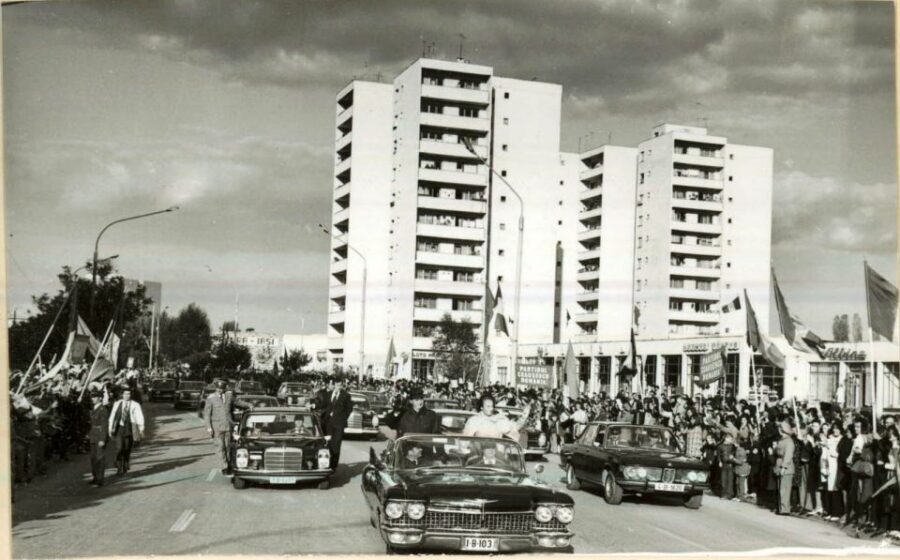
The tour includes the route toward Târgoviște and back to Bucharest, and that distance matters. Ceaușescu wasn’t simply collapsing in one city block—his last-day movements spread out geographically as he tried to regain leverage with the working class and the army.
The experience presents this as a day of regrouping attempts, then losing control in a way that happened faster than anyone could recover from. You’ll follow the emotional roadmap of that collapse, not just the “map line.”
This portion of the tour also sets up the next big moment: the places tied to detention, judgment, and execution in December 1989—ending on December 25.
Detained, Judged, Executed: Where the Story Ends (Partially)
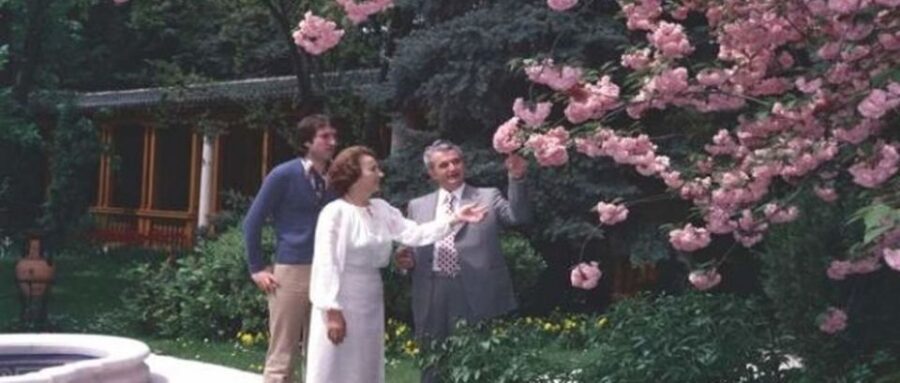
The emotional peak is the stop at the building where Nicolae and Elena Ceaușescu were detained, judged, and executed on December 25, 1989. The tour includes a stop there with guided context.
However, there’s an important real-world detail: the building where Ceaușescu was executed is not accessible on the interior due to renovation. That means you’ll focus more on the external setting and the guide’s explanation than on walking through that final interior space.
This is still a powerful stop, but go into it prepared for what you can and can’t see. Renovations happen; the best way to get full value is to listen closely to the guide’s timing and narrative framing, since that’s what fills in the gaps created by restricted access.
Palatul Primăverii: The Private Residence With Tickets Included
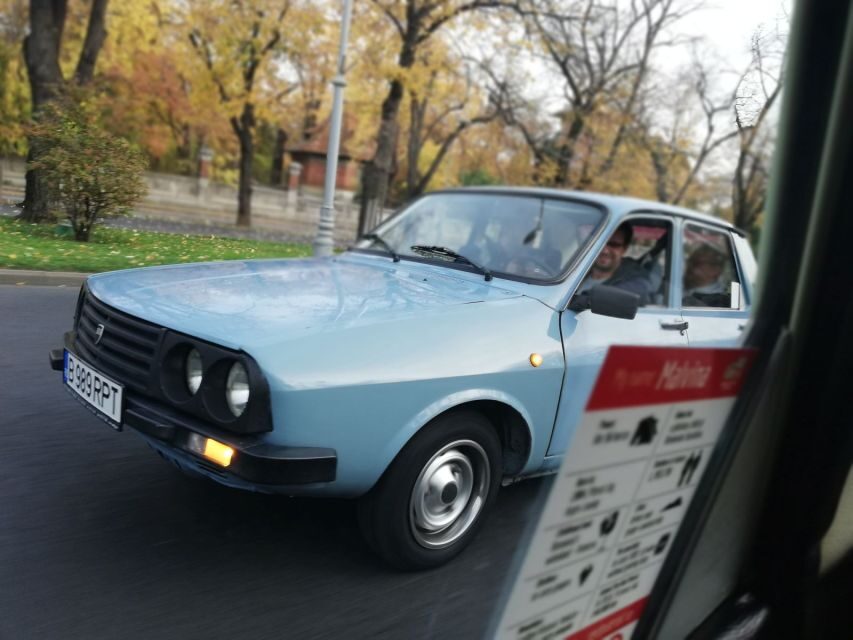
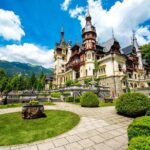
One of the headline experiences is the guided visit to Palatul Primăverii—Ceaușescu’s private residence, lived in with Elena from 1965 to 1989. You’ll visit with entrance tickets included, so you’re not scrambling for paperwork or timing.
This stop changes your perspective. You’ll see the domestic and representational side of power—how a ruler built a private world adjacent to the public system. For many people, this is where the tour becomes more than a “historical route.” It becomes a study in how personal comfort and political control can be intertwined.
If you’re the type who likes architecture or interior storytelling, this is also the most “traditional Bucharest museum” moment in the day, since it’s a guided visit in a defined setting rather than a sequence of street locations.
How the Private Format Actually Helps (And When It Might Not)
A private tour is more than a “luxury upgrade” here. It helps your guide tailor the pace and the emphasis, especially because the topic covers multiple phases: public revolt symbolism, escape attempts, regrouping, capture, and the end of the regime.
It also helps with comfort. You’re on the road in a classic car for about 180 km total, and that’s easier when your group stays flexible and your guide manages the flow.
That said, the tour has clear limits. It’s not suitable for:
- children under 10,
- pregnant women,
- people with back problems,
- people with heart problems,
- people over 70.
If you or someone in your group has mobility or comfort concerns, it’s worth being honest with yourself. Even if the car ride is part of the fun, the stops and guided blocks still require standing and walking.
Price and Value: Is $223 Worth It?
At about $223 per person, you’re paying for a very specific mix:
- private guide + driver,
- hotel pickup and drop-off,
- transportation in a restored classic Dacia (including time-sensitive city driving),
- about six hours total,
- a guided museum visit and a guided palace visit with entrance included,
- and small comfort perks like water in the car plus breaks.
Where it becomes good value is in the combination. Many Bucharest tours either focus on sights without a narrative thread or they do the history but not in the “one vehicle, one storyline” way. This one ties the vehicle experience to the timeline, and it covers both the Bucharest showdown and the run toward Târgoviște.
If you’re traveling as a couple or small group, private pricing often feels easier to justify because you’re not competing with strangers for attention or timing. The convoy option (if the party grows) also keeps the logistics from collapsing the experience.
Should You Book This Dacia Ceaușescu Last Days Tour?
Book it if you want history you can follow—a guided storyline where the streets, museums, and palace rooms all point to the same end of the 1989 timeline. I’d also recommend it if you like vehicles and details: driving a restored Dacia while tracking Ceaușescu’s last-day route makes the experience feel personal and memorable.
Skip it if the topic feels too heavy for your travel style, or if anyone in your group falls into the health or age limits. And if you hate guided history that gets specific and emotional, know that this tour is designed to focus on exactly that.
If you’re planning Bucharest as more than a weekend of churches and coffee stops, this gives you a strong “what happened here” answer. It’s not just a ride. It’s a timeline you can watch unfold through the city.
FAQ
How long is the Bucharest private Dacia Ceaușescu last-days tour?
The duration is 6 hours.
Where does pickup happen?
Pickup is from Bucharest, with hotel pickup and drop-off included.
How much does the tour cost?
The price is listed as $223 per person.
Is the tour guided in English?
Yes, it’s a live tour guide in English.
What sites will I visit?
You’ll start at Revolution Square and visit key locations tied to the last days of Ceaușescu, including the Ceaușescu Last Hours Museum, the House of Ceaușescu, the area linked to where he was detained, judged, and executed, and the Palatul Primăverii (Presidential Palace) with entrance included.
Can I enter the execution building inside?
The interior of the building where Ceaușescu was executed is not accessible due to renovation.
Is there an entrance fee included for Palatul Primăverii?
Yes. Entrance at the Palatul Primăverii Palace Museum is included.
Who should not book this tour?
It’s not suitable for children under 10, pregnant women, people with back problems, people with heart problems, or people over 70.
What do I need to bring?
Bring a passport or ID card.