REVIEW · BUCHAREST
Bucharest Highlights Bike Tour
Book on Viator →Operated by Bike the City · Bookable on Viator
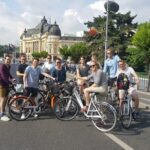
Bucharest history rolls by fast. This short highlights bike tour uses pedal power to link major eras of the city, from early landmarks to the communist period and the modern capital look. You cover the key streets and squares without spending the whole day walking, and the stops are chosen to make the story easy to follow.
What I like most is the time-saving route. In a couple of hours, you move between big sights like Calea Victoriei and Manuc’s Inn, so you get a strong orientation fast. Second, the guides really know how to turn architecture and landmarks into plain explanations, with names like Alex, Ed, Dan, Horia, Lucia, Ciprian, and Alexandru showing up as standout examples of entertaining, story-driven guiding.
One thing to consider: cycling here means sharing the road. Reviews point out narrow streets and busy spots with cars and pedestrians, so you should feel comfortable riding in mixed traffic even though the route is designed to keep things manageable.
In This Review
- Key highlights you’ll care about
- Why Bucharest feels easier on two wheels
- The route in real time: what 2 hours actually feels like
- Stop-by-stop: what you see and what it means
- Stop 1: Bike the City, then institutions and old monastery layers
- Stop 2: Hanul Gabroveni and a look at Oriental Bucharest
- Stop 3: Manuc’s Inn, Romanian food influences, and the civic center shift
- Stop 4: Catedrala Patriarhala and the first Romanian Parliament idea
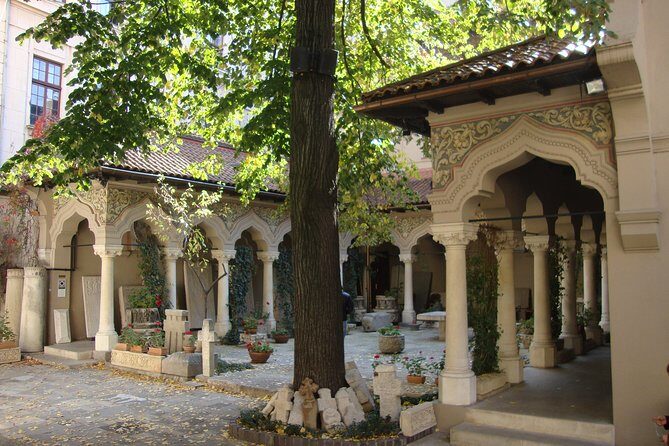
- Stop 5: Manastirea Antim and the meaning behind the buildings
- Stop 6: Palace of Parliament, the first park, the old boulevard, and winter palace echoes
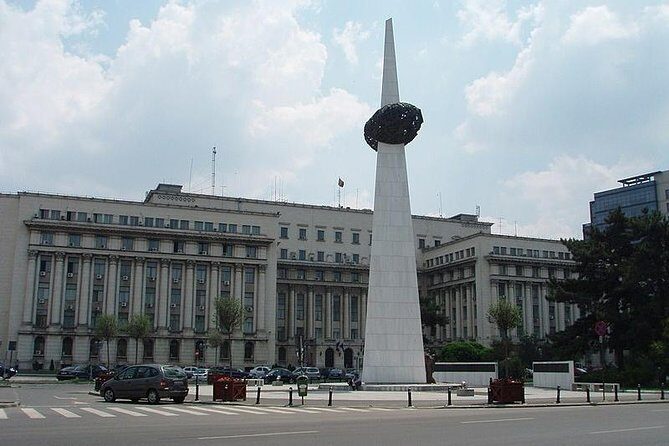
- Stop 7: Piața Revoluției and Ceaușescu’s last speech
- Bikes, helmets, and the real safety picture in Bucharest
- The value question: is $33.86 worth it?
- Who this tour suits best
- Should you book this Bucharest Highlights Bike Tour?
- FAQ
- How long is the Bucharest Highlights Bike Tour?
- What time does the tour start?
- Where does the tour start and end?
- Is the tour offered in English?
- What’s included in the price?
- Is food or drinks included?
- Do I need hotel pickup or drop-off?
- Do I need good weather for this tour?
- Is there a group size limit?
Key highlights you’ll care about
- Two-wheel time savings: Cover multiple areas in about 2 hours instead of grinding through long walks.
- History told by place: Each stop ties buildings to Romania’s early, communist, and modern chapters.
- Landmark-heavy route: You’ll see Calea Victoriei, Manuc’s Inn, the Palace of Parliament area, and Piața Revoluției.
- Bikes + helmet included: You don’t need to rent gear or bring your own helmet.
- Small group feel: Max group size is 30, which helps the guide keep the rhythm.
- Main entrances are easy to use: Most stops are marked as ticket-free, so you spend more time riding and listening than queuing.
Why Bucharest feels easier on two wheels
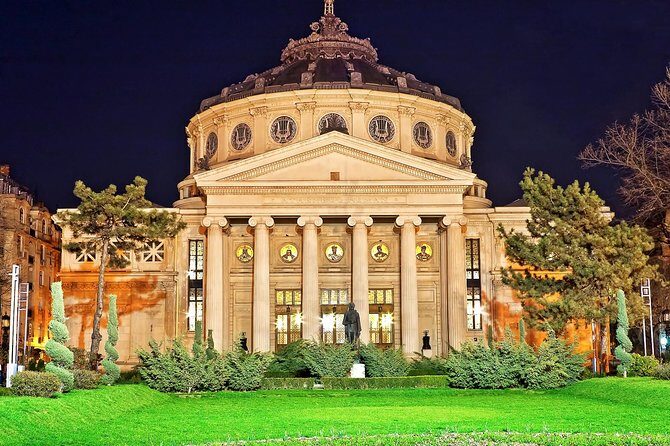
If Bucharest is your first stop in Romania, you need two things fast: orientation and context. On foot, you can end up zig-zagging across neighborhoods and still feel like you missed the bigger picture. This tour is built to do the opposite. You ride a tight loop, hit the landmarks that help explain the city, and get the timeline stitched together as you go.
I also like that the route isn’t just a list of buildings. It’s organized around themes you can actually remember. The early era is represented through spots connected to institutions and older religious architecture. The communist period comes through in the civic planning choices and the architecture choices you can spot from blocks away. Then you land in the modern capital story, where those earlier decisions still shape where people gather.
And yes, the bike part matters. Bucharest has wide boulevards in some places and narrow, crowded streets in others, and you’ll feel the difference. The bicycle keeps you from getting stuck in distance while you’re learning. You can concentrate on what each stop means, not just how sore your legs are.
You can also read our reviews of more cycling tours in Bucharest

The route in real time: what 2 hours actually feels like
This tour is about 2 hours, starting at 3:00 pm and ending back near where you meet. That timing is useful if you want the history kick early in your trip, or if you prefer your big sightseeing before dinner plans take over.
You’ll be moving between multiple short stops, with a mix of riding time and quick context talks. Most entrances on the route are marked ticket-free, so the schedule stays fluid. I found that short, frequent explanations work well here because Bucharest’s architecture can be confusing until someone frames it for you.
A practical note: the tour includes the driver/guide, a local guide, and a professional guide. That can mean the storytelling is strong and the coverage is broad, without feeling like you’re stuck with one long lecture. With a maximum of 30 people, you’re not fighting crowds at each stop, but you should still expect a bit of group management when crossing areas.
Before you go, think about your comfort level on a bike. One key detail from the experience: you are riding around cars and pedestrians. If you’re steady on a bike and can handle stop-and-start moments, you’ll be fine.
Stop-by-stop: what you see and what it means
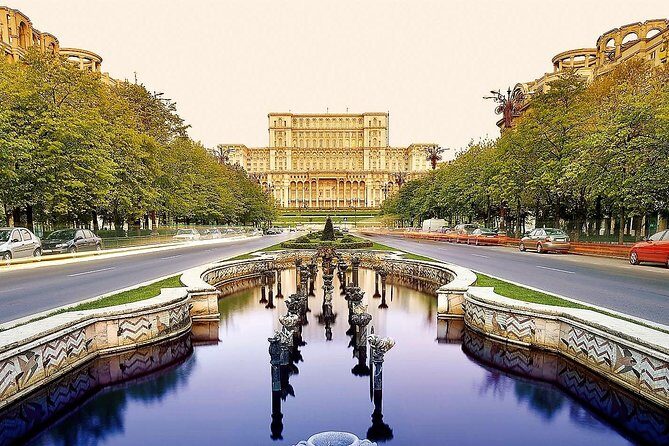
Below is the flow you’ll follow, and what each location adds to your understanding.
Stop 1: Bike the City, then institutions and old monastery layers
You begin at Strada Operetei 12, and the tour kicks off with the city history foundation. The first stretch connects early Bucharest threads to later turning points, so you’re not just seeing landmarks in isolation.
From there, you pass by the first National Bank area and then head toward one of the oldest monasteries in Bucharest. This combo is smart. It gives you two different lenses at the start: how people built economic power, and how religious communities shaped older Bucharest life. Even if you only remember a few names, you’ll recognize the pattern the guide is drawing between institutions, tradition, and who had influence.
Possible drawback here: if you’re hoping for a long sit-down interpretation at every point, the early segment is more of a fast primer. It’s meant to set context so later stops land harder.
Stop 2: Hanul Gabroveni and a look at Oriental Bucharest
Next you reach Hanul Gabroveni, described as part of the Oriental Bucharest story, with an old city photo gallery element. This stop helps you understand that Bucharest wasn’t always the modern capital silhouette you may picture first.
Markets, inns, and trade spaces are where the city’s everyday history becomes visible. A photo gallery angle also works well on a bike tour because it helps you switch from present-day streets to what those streets looked like before. You might not get a long museum session, but you’ll come away with a visual anchor.
Stop 3: Manuc’s Inn, Romanian food influences, and the civic center shift
Then you’ll ride to Manuc’s Inn (Hanul lui Manuc). The tour connects the inn to influences tied to Romanian traditional food. That’s a fun way to make history feel human. It’s not just politics and power. It’s culture showing up in what people ate, hosted, and celebrated.
From there, the route moves toward the new civic center, often described as the communist alternative to the old city center. This is where you start seeing how regimes reshape space. The meaning of the area becomes clearer once you’ve already been introduced to older patterns at earlier stops.
If you like seeing the city’s planning choices instead of only individual buildings, this is a strong segment.
Stop 4: Catedrala Patriarhala and the first Romanian Parliament idea
At Catedrala Patriarhala, the tour ties the location to the first Romanian Parliament. Even if you don’t plan to go inside for a long visit, the guided framing helps you understand why this place sits in the political imagination of Romania.
This is also a good pause because religious buildings tend to hold details that people miss when they ride past quickly. If your guide points out specific elements, you’ll get more than a glance.
Stop 5: Manastirea Antim and the meaning behind the buildings
Next comes Manastirea Antim, described with the idea of translated buildings. The phrasing suggests an interpretation layer: how meanings shift over time, and how architecture can carry stories that aren’t always obvious at street level.
This short stop is ideal if you like compact stops that still feel purposeful. It won’t drain your energy, but it should add one more piece to the puzzle.
Stop 6: Palace of Parliament, the first park, the old boulevard, and winter palace echoes
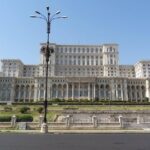
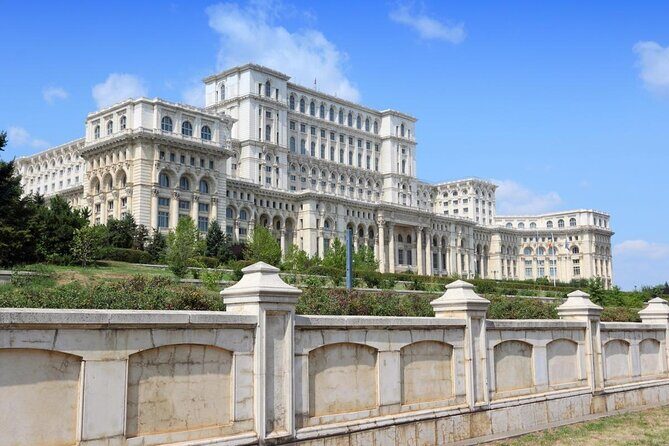
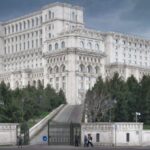
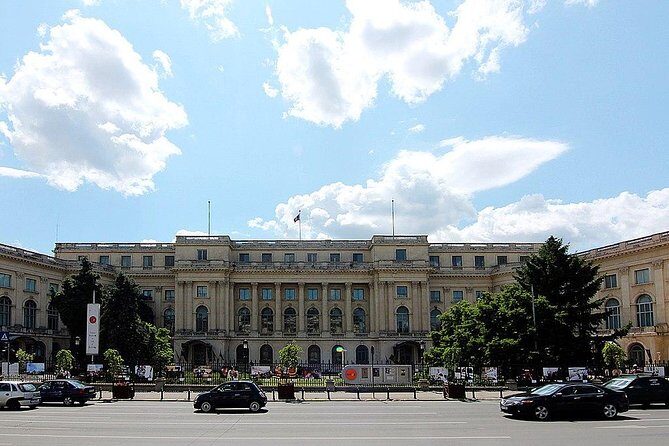
The big thematic stretch is around the Palace of Parliament area. This is described as the last megalomaniac communist project, and it’s the kind of place where size and symbolism do the talking.
The tour also threads in:
- the first park in Bucharest
- purely communist architecture
- the winter Royal Palace
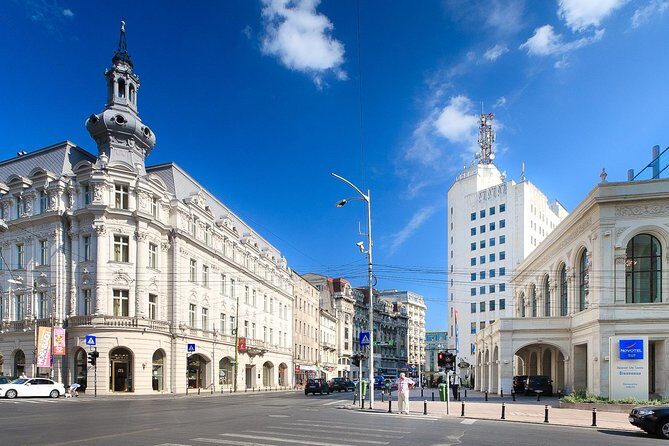
- the main old boulevard of the city, tied to Calea Victoriei
This is a lot of themes in one segment, but the bicycle helps because you can move position-to-position quickly. You’ll get that sensation of seeing how power tried to control both monumental space and everyday movement patterns.
The main consideration here is simply attention span. Because the area is so visually loaded, you’ll want to listen closely early in the segment so later parts don’t blur together.
Stop 7: Piața Revoluției and Ceaușescu’s last speech
The final stop is Piața Revoluției, connected to Ceaușescu’s last speech. Ending here works because the tour has been building a timeline. You’ve seen older anchors and architectural decisions tied to earlier eras, and now you reach a moment that changed the modern story.
It’s a quick stop, but emotionally it tends to land. Even if you’re not a history buff, the guide’s explanation makes it feel connected to the places you’ve already seen.
Bikes, helmets, and the real safety picture in Bucharest
This tour includes a bicycle and a helmet, so you’re not scrambling for gear. That’s a straightforward value point.
Safety-wise, the big reality is traffic and pedestrians. One highlight from the experience details: you ride in and around cars and pedestrians, and some streets can feel narrow and busy. The good news is that the route is designed for this style of sightseeing, not for thrill-seeking cycling. Still, you should come prepared for stop-and-go moments and for people crossing unpredictably.
If you’re nervous about bike balance, bring a calm mindset. Ride confidently, keep your speed controlled, and follow your guide’s cues. With a group up to 30, the guide likely keeps an eye on spacing and pacing so everyone stays together.
Rain is another factor. The experience runs on the assumption that weather is decent. In at least one real situation, rain hit and the guide adjusted by finding indoor shelter at a restaurant until they could continue. So if the forecast looks questionable, plan on keeping flexibility in your afternoon.
The value question: is $33.86 worth it?
At $33.86 per person for about 2 hours, this tour is priced like a short, high-efficiency introduction to the city. The best value part isn’t just that it’s cheaper than some private tours. It’s that you’re buying time savings plus guided interpretation.
Here’s what you’re getting for that price:
- A driver/guide and guiding team
- A bicycle and a helmet
- Multiple major landmarks linked to early history, communist transformation, and modern political memory
You’re not paying extra for lots of entrances. Most stops on the route are marked as admission ticket free, so you don’t lose your momentum to ticket lines.
What’s not included matters too:
- Food and drinks are on your own
- Hotel pickup and drop-off aren’t included
So the real question for you is simple: do you want a fast, guided “big picture” tour that hits the major highlights without turning your day into logistics? If yes, this is strong value. If you already know you only want one or two sites and you hate sharing a group ride, you might prefer a slower self-guided plan.
Who this tour suits best
This is a good fit if you:
- want a first-day orientation to Bucharest
- like history that connects to what you’re physically seeing
- want to cover more ground without walking long distances
- can handle mixed bike-and-pedestrian traffic calmly
It’s also family-friendly in the sense that it can work with a mix of ages, and helmets are provided. Children must be accompanied by an adult, so plan for that.
If you’re expecting a quiet, countryside-style ride with zero interaction, this won’t match that vibe. Bucharest is a city, and you’ll feel it.
Should you book this Bucharest Highlights Bike Tour?
I’d book it if you want a guided “greatest hits” tour that gives you context fast. The landmark choice is practical: you get Calea Victoriei, Manuc’s Inn, the Palace of Parliament area, and Piața Revoluției, and you connect them to the eras that shaped the city. With bikes and helmets included, it’s also an easy way to avoid rental hassles.
I would think twice if you’re uncomfortable riding around cars and busy pedestrian areas, or if you prefer long museum-style time at fewer locations. For everyone else, it’s an efficient, story-driven way to see Bucharest in a couple of hours and leave with a clearer timeline in your head.
FAQ
How long is the Bucharest Highlights Bike Tour?
It lasts about 2 hours.
What time does the tour start?
The start time is 3:00 pm.
Where does the tour start and end?
It starts at Strada Operetei 12, București 030167, Romania and ends back at the meeting point.
Is the tour offered in English?
Yes, it’s offered in English.
What’s included in the price?
The tour includes the driver/guide, a local guide, a professional guide, use of bicycle, and use of a helmet.
Is food or drinks included?
No, food and drinks are not included.
Do I need hotel pickup or drop-off?
No, hotel pickup and drop-off are not included.
Do I need good weather for this tour?
Yes. The experience requires good weather, and if it’s canceled due to poor weather you’ll be offered a different date or a full refund.
Is there a group size limit?
Yes, the maximum is 30 travelers.