REVIEW · BUCHAREST
Bucharest: Half-Day Sightseeing Tour
Book on GetYourGuide →Operated by TravelMaker · Bookable on GetYourGuide
Bucharest turns history into a street walk. In just four hours, this tour threads Revolution Square and the Palace of Parliament into a practical downtown loop so you understand what you’re seeing, not just where it is.
I like two things most: the route hits major landmarks you’ll read about later, and the pacing works for real sightseeing time in the city center. The modern 8-seat minibus plus hotel pickup also helps you get moving fast without hunting for a meeting point.
One thing to watch: the big sights depend on add-on entries, and the Palace and Village Museum entrances are not included. If you want maximum time inside buildings, this can feel short for the money.
In This Review
- Key takeaways before you go
- A 4-hour plan that gets you oriented fast
- Hotel pickup and the 8-seat minibus advantage
- Free Press Square, the Arch of Triumph, and what to watch for outside
- Victoriei Square and Victory Avenue: the long boulevard lesson
- Revolution Square and the 1989 story you can see in person
- Palace of Parliament: the second-largest administrative building and the big tradeoff
- Union Square, University Square, and Romana Square: the practical city-reading section
- Village Museum (Muzeul Satului) vs. the Monday Old Town swap
- Price and value: what $69 covers, and what costs extra
- When the guide makes the difference (and what you can hope for)
- Who should book this Bucharest half-day tour
- Should you book it?
- FAQ
- How long is the Bucharest half-day sightseeing tour?
- What is included in the price?
- Are entrance fees included for the Palace of Parliament and Village Museum?
- Do I need ID to visit the Parliament Palace?
- What happens if the Village Museum is closed?
- Can I visit the Palace of Parliament on weekends?
- What should I bring?
- Is the tour suitable for people with mobility impairments?
Key takeaways before you go
A tight downtown route designed for first-time orientation in about four hours
Revolution Square built around 1989 with nearby monuments you can actually connect
Victory Avenue atmosphere from Victoriei Square and Calea Victoriei viewpoints
Palace of Parliament is optional-but-immense (ID matters, and weekend rules apply)
Village Museum swaps on Mondays for a shorter Old Town walking alternative
A 4-hour plan that gets you oriented fast
This is a half-day tour built for a simple goal: help you place Bucharest. You start in the morning with hotel pickup, then ride a modern 8-seat minibus around the core sights. You also get an English-speaking guide who keeps the story moving between stops, so each square makes sense in the bigger picture.
Four hours sounds brief, and it is. But that’s the point. If you’re here for a few days and want an overview you can build on, this kind of route is useful. It helps you return later with a clearer sense of direction, and it gives you context for why communism-era architecture and post-1989 symbols sit so close to older city layers.
You can also read our reviews of more tours and experiences in Bucharest



Hotel pickup and the 8-seat minibus advantage
The included pickup matters more than you might think. You’ll skip the usual scramble of metro lines, taxis, and trying to decode where the tour starts. Instead, you’ll get picked up (your exact pickup time comes by email the day before), and you’ll ride in a small vehicle with other guests.
An 8-seat minibus also changes the feel. It’s easier to hear your guide, and the group usually moves as a unit at each stop. For a first-time orientation tour, that’s a real quality-of-life improvement.
Practical tip: bring your passport or ID card. You’ll need an original ID if you want to visit the Parliament Palace, and the tour operator notes that entry requirements matter.
Free Press Square, the Arch of Triumph, and what to watch for outside
The route commonly begins with Free Press Square (Piata Presei Libere). Even if you don’t go inside anything at this point, the setting gives you a sense of modern Bucharest’s axes—wide streets, big civic spaces, and a city layout designed to be seen from a distance.
From there, you head toward the Arcul de Triumf area. It’s a strong visual anchor for the way Bucharest stretches outward. The Arch sits along the broader ceremonial boulevard idea, so it’s not just a photo stop. It helps you understand why Victory Avenue exists as a long, prominent spine through the city.
If you like walking but don’t want a long day, this early section is handy. You’ll get views and orientation cues without committing to a huge trek.
Victoriei Square and Victory Avenue: the long boulevard lesson
One of the most satisfying parts of this itinerary is the way it ties landmarks to the boulevard walk. You’ll pass through Victoriei Square (Piata Victoriei), then head along Calea Victoriei and the surrounding corridor toward Charles de Gaulle Square later.
Here’s the value: Bucharest’s “grand avenue” feel can be hard to appreciate from one street. But on this tour, you experience it in a sequence. You see the alignment of the city’s main routes, you learn where the big civic buildings sit in relation to each other, and you start to understand how people move through the center.
This is also where you’ll notice the contrast between eras. The city isn’t frozen in one style. It’s a layered place, and the boulevard corridor shows that layering with less effort than trying to plan it yourself.
Revolution Square and the 1989 story you can see in person
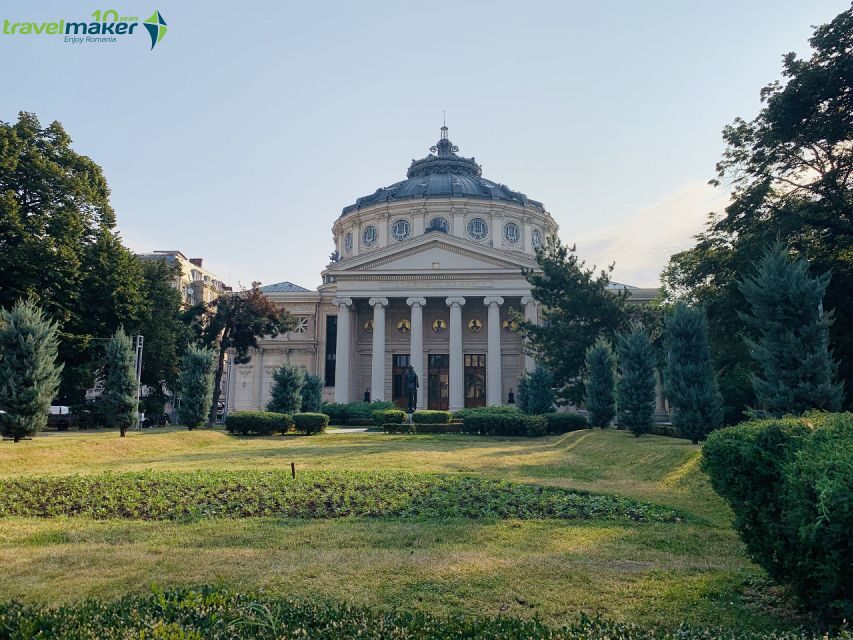
Revolution Square is the emotional center of this tour. You’ll connect it with nearby landmarks including the Romanian Atheneum and the Revolution’s Memorial. Instead of treating communism as a distant historical topic, the guide’s commentary (in English) helps you connect the square’s role to what happened in 1989.
Why I think this stop works: it gives you a location where political history isn’t abstract. It’s tied to a place you can stand in. Even if you’ve read about the fall of communism before, seeing the square and memorial area makes the timeline feel real.
This is also a spot where timing matters. You’ll want to look around before you rush onward. Take in the buildings facing the square and the way the memorial space is arranged. That’s where the meaning comes through.
Palace of Parliament: the second-largest administrative building and the big tradeoff
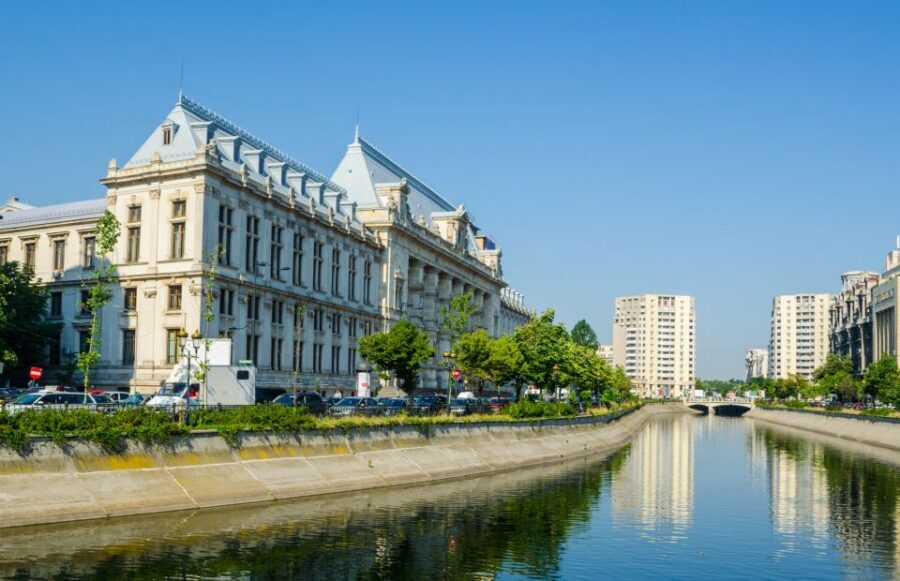
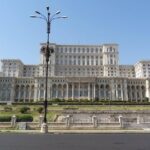
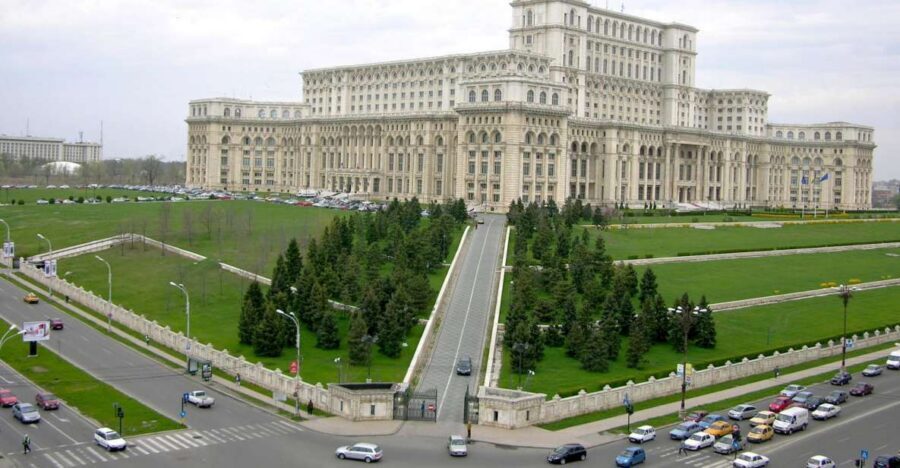
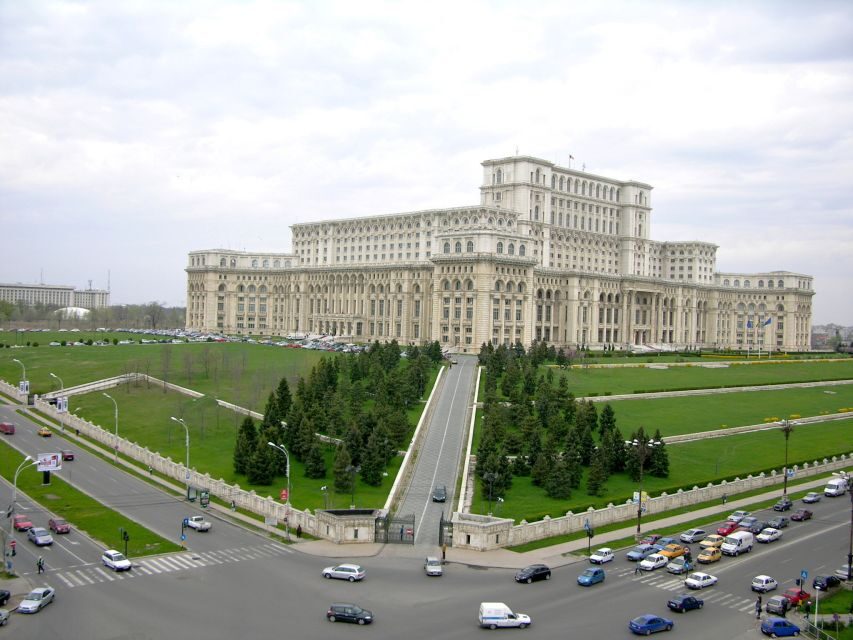
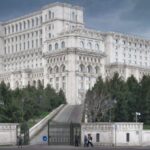
The highlight here is the Palace of Parliament (Palatul Parlamentului). The tour’s pitch is clear for good reason: this is one of the world’s largest administrative buildings, and the scale changes your sense of what Bucharest attempted during the communist period.
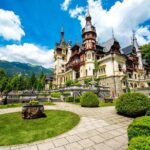
But here’s the tradeoff, and it shows up in reviews. Some people love the context and the sheer size. Others feel the building itself can be disappointing, especially if they were expecting a smoother, more rewarding interior experience. One review even compared it unfavorably to Peleș Castle as an overall experience, which is a useful reminder: different visitors want different things.
Also important: to visit the Palace of Parliament, an original ID is mandatory. And weekend visits have group-size rules—weekend entries are available only for groups of 10 or more. If your group is smaller on a weekend, the Palace may be replaced with an alternative attraction or a guided walking tour of the Old Town.
So when deciding whether to pay entrance, think about what you want most:
- If you want political-architecture context and scale, it’s worth considering.
- If you’re mainly seeking a beautiful interior with less controversy in the story, you might want to treat the outside views as the main payoff.
Union Square, University Square, and Romana Square: the practical city-reading section
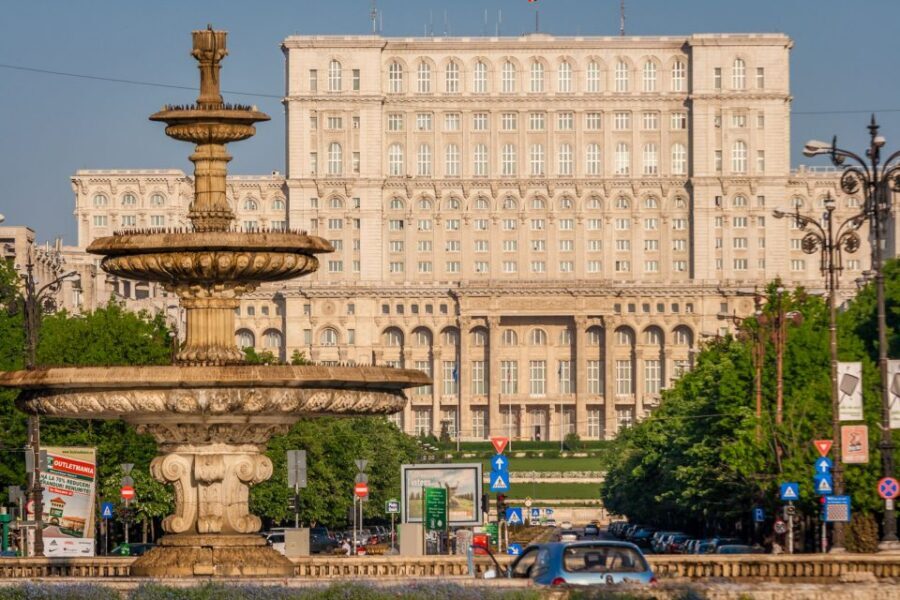
After Revolution Square, the tour typically continues through Union Square (Piata Unirii), University Square (Piata Universitatii), and Romana Square (Piata Romana), with Charles de Gaulle Square (Piata Charles de Gaulle) also in the mix.
This section does something smart: it shifts from the heavy story stop into the “how the city runs” layer. These squares help you understand how Bucharest’s public spaces connect—where people gather, where the city feels like a living capital, and how the major avenues link into one walking-and-driving grid.
For first-time visitors, that matters. Without this kind of intermediate orientation, it’s easy to remember only the headline monuments and forget the city’s overall flow. The guide’s commentary keeps you from feeling lost while you’re moving between points.
Village Museum (Muzeul Satului) vs. the Monday Old Town swap
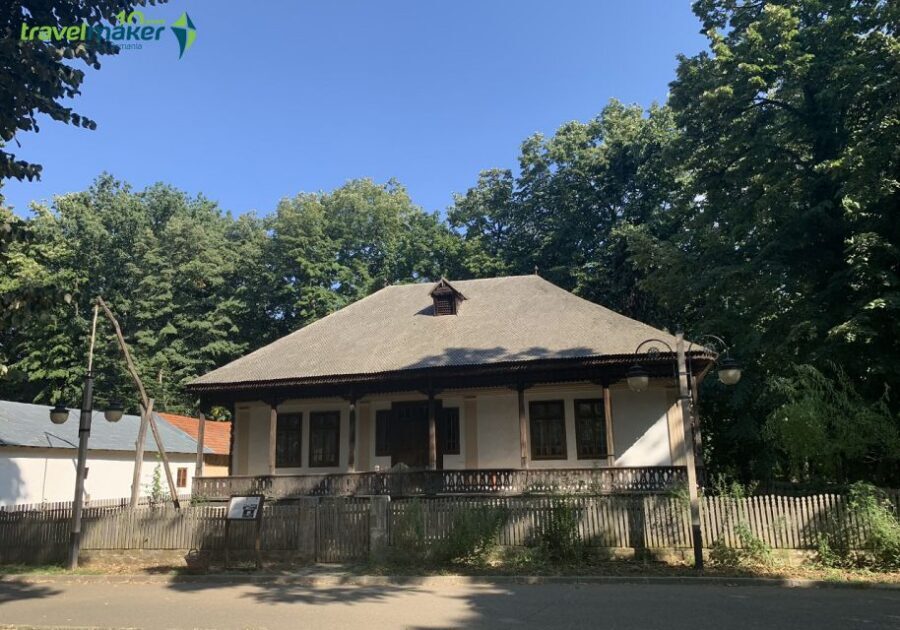
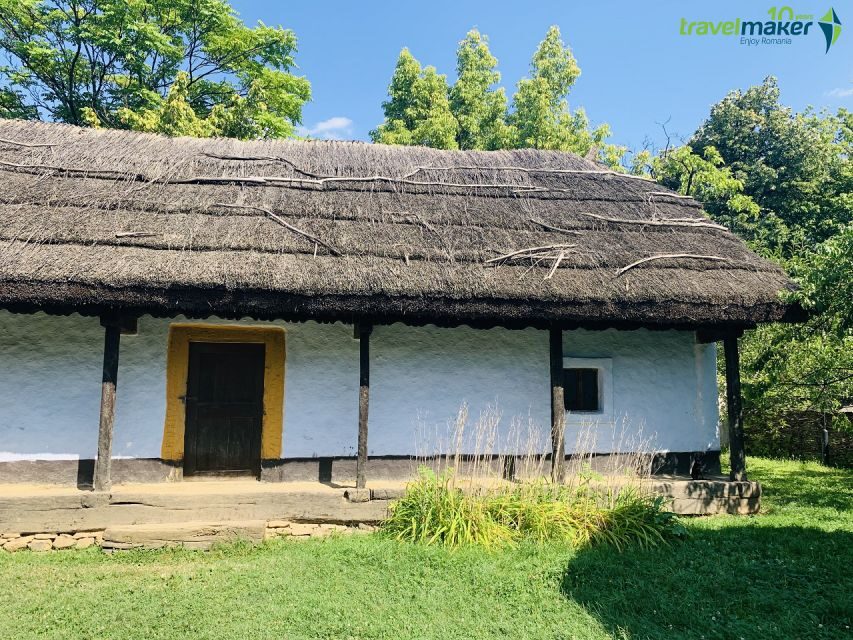
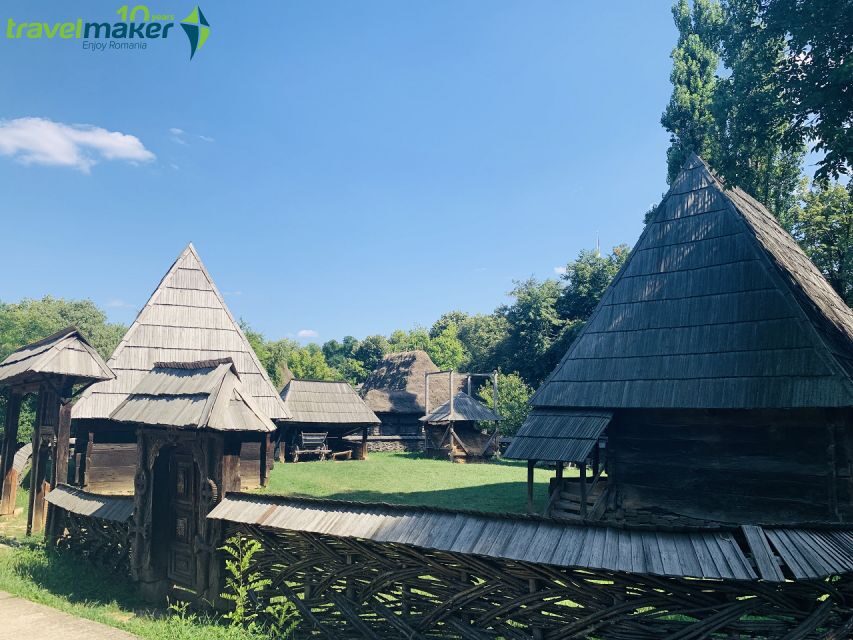
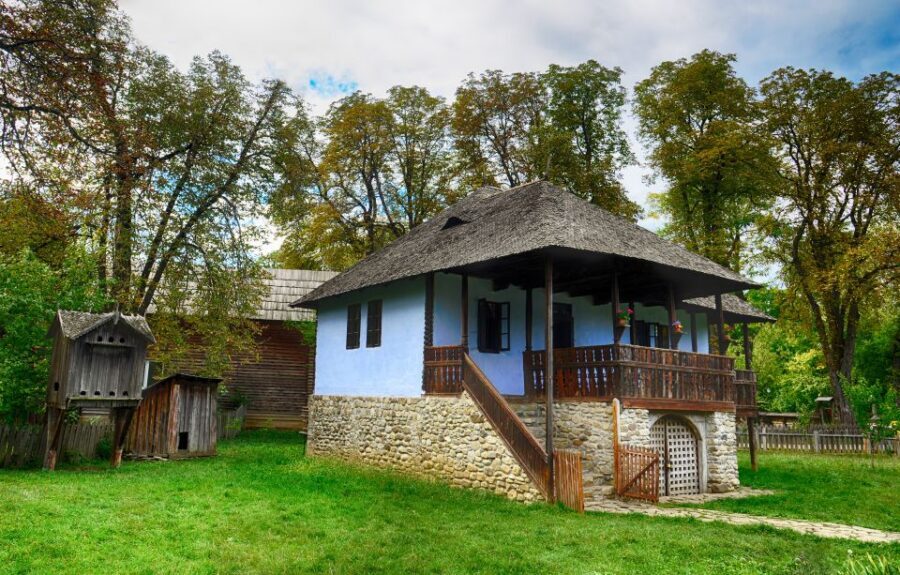
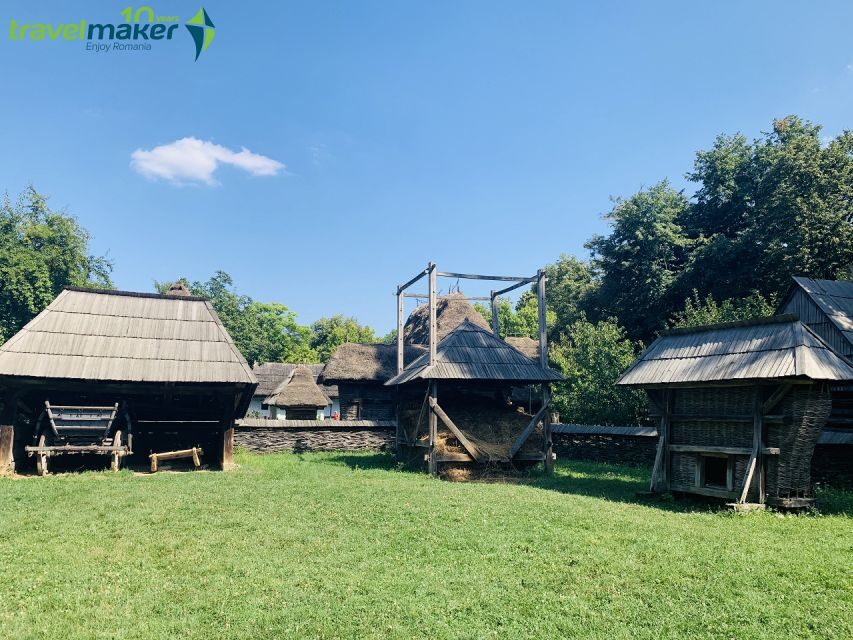
The final big cultural stop is the Village Museum (Muzeul Satului). This open-air museum is a different kind of learning from the Palace. Instead of one political era told through architecture, it’s Romania’s countryside and traditional life told through outdoor exhibits.
The value is simple: it slows you down from downtown power and back toward cultural roots. Even if you don’t go super deep into each structure, being in an open-air setting gives your brain a breather between heavy historical sites.
Two practical considerations:
- Entrance fees for the Village Museum are not included, so you should budget separately if you want it.
- The Village Museum is closed on Mondays. On those dates, the visit is replaced by a short walking tour in the old town.
If you’re traveling on a Monday and the Village Museum matters to you, it’s worth checking your day-of-week plan. Even with the swap, you’ll still get a guided Old Town portion, but it won’t be the same.
Price and value: what $69 covers, and what costs extra
The tour price is $69 per person for about four hours. What you’re getting for that price is the stuff that saves time and stress: hotel pickup, transport by modern 8-seat minibus, and an English-speaking guide.
What you’re not getting is entrance fees to the Parliament Palace and the Village Museum. Those are the main extra costs you should expect if you want the full highlight package.
Now the honest part about value: if you’re the type of traveler who believes a half-day tour should include multiple major interiors, you might feel squeezed. One review labeled this as the most expensive option in a 15-day trip and said it delivered less than other tours. That lines up with what you can infer from the time limit: you’re going to see a lot outdoors and in square-to-square transitions, but you won’t spend all your time inside large attractions.
On the other hand, you also have reviews praising the guide quality—prompt service and a professional, entertaining explanation. When a guide is good, a short tour can feel like it punches above its weight.
When the guide makes the difference (and what you can hope for)
The strongest praise in the feedback centers on the guides. One review specifically mentions Laura and calls her wonderful. Another describes the guide as very informative and entertaining.
So here’s what I’d recommend: treat this as an interpretation tour, not a checklist tour. The outdoor sights are the “canvas.” The guide’s job is to give the canvas meaning. If you show up ready to listen, you’ll likely get more out of the route than if you only care about photographs.
Also, because the tour language is English and you ride in a small minibus, it’s usually easier to ask quick questions or follow the storyline. That helps the four-hour structure feel coherent.
Who should book this Bucharest half-day tour
This one is a good fit if:
- You’re in Bucharest for a short stay and want a downtown orientation fast
- You like history you can connect to specific places like Revolution Square
- You want a guided city route without spending hours on planning and transit
It may not be ideal if:
- You want lots of time inside major buildings
- You’re sensitive to the extra costs of entrance fees for the Palace and Village Museum
- You want a fully accessible experience, since the tour is noted as not suitable for people with mobility impairments
Should you book it?
I’d book this tour if you want a guided downtown “map in motion.” The route makes sense for first-timers because it connects squares and boulevards in a way you can reuse later when you explore on your own.
But book with eyes open. The entrance sites—Palace of Parliament and Village Museum—come with extra fees, and time is tight. If you’re hoping for a long, interior-heavy day, you may feel it’s not enough. If you’re seeking context, direction, and a fast understanding of Bucharest’s political and cultural landmarks, this is a smart use of half a day.
FAQ
How long is the Bucharest half-day sightseeing tour?
It runs for about 4 hours.
What is included in the price?
The tour includes hotel pickup, transport by a modern 8-seat minibus, and English guide services.
Are entrance fees included for the Palace of Parliament and Village Museum?
No. Entrance fees for the Parliament Palace and the Village Museum are not included.
Do I need ID to visit the Parliament Palace?
Yes. An original ID is mandatory to visit the Parliament Palace.
What happens if the Village Museum is closed?
The Village Museum is closed on Mondays. On those days, the visit is replaced by a short walking tour in the old town.
Can I visit the Palace of Parliament on weekends?
Weekend visits are available only for groups of 10 or more. If your group is smaller on a weekend, the Palace may be replaced with an alternative attraction or a guided Old Town walking tour.
What should I bring?
Bring your passport or ID card.
Is the tour suitable for people with mobility impairments?
No, it is not suitable for people with mobility impairments.