REVIEW · BUCHAREST
8-Hour Private Tour to Bucharest Communism
Book on Viator →Operated by Romania Private Guide · Bookable on Viator
A long day, but it makes communism feel real. This private tour strings together Bucharest’s biggest power sites and a quick island detour, so the story doesn’t stay in theory. I especially like the licensed English-speaking guide focus and the way the route pairs heavy political symbolism with places that show everyday life and culture. One possible drawback: entrance fees and meals aren’t included, so you’ll want extra cash or a card ready.
The best part is how the day moves with purpose. You start at the mind-bending scale of the Palace of Parliament and end with the Romanian Athenaeum’s classical elegance, so you feel the contrast between control and creativity. I also like the flexibility: the guide can adjust the plan even after it starts, which helps when you hit lines, traffic, or just want more time for a specific stop. The main consideration is pacing; it’s about 8 hours, and a couple stops are ticketed and outside the city (Snagov), so you’ll want comfortable shoes.
If your goal is to understand what communism did to Romania—from government buildings to ordinary households—this is a strong way to do it in a single day. Keep in mind you’re paying a premium for a private car and guide time, not for museum tickets.
In This Review
- Key highlights worth your attention
- Bucharest’s communism story starts at the Palace of Parliament
- A practical tip before you go
- National Village Museum: everyday Romania after all that power
- The drawback: it’s a full-day rhythm
- Calea Victoriei walk: royal glamour meets Communist bureaucracy
- If you like street-level history
- Revolution Square: the day power flipped
- A note on mindset
- Snagov Monastery: an island detour and the Dracula connection
- What you should expect
- Ceaușescu Mansion: seeing the private life behind the public myth
- Why this works in a single day
- Romanian Athenaeum: culture as a counterpoint
- A practical angle
- Price and logistics: what $266 buys you (and what it doesn’t)
- When it feels like great value
- When it might feel pricey
- Who this 8-hour communism tour is best for
- Quick decision guide: book or not?
- FAQ
- What is the duration of the Bucharest Communism private tour?
- How much does the tour cost?
- Does this tour include pickup?
- Is this a private tour?
- Are entrance fees included?
- Does the tour include food and drinks?
- What are some of the main stops on the itinerary?
- What is the cancellation policy?
Key highlights worth your attention
- Private car just for your group: pickup is offered, and you won’t be stuck waiting with strangers.
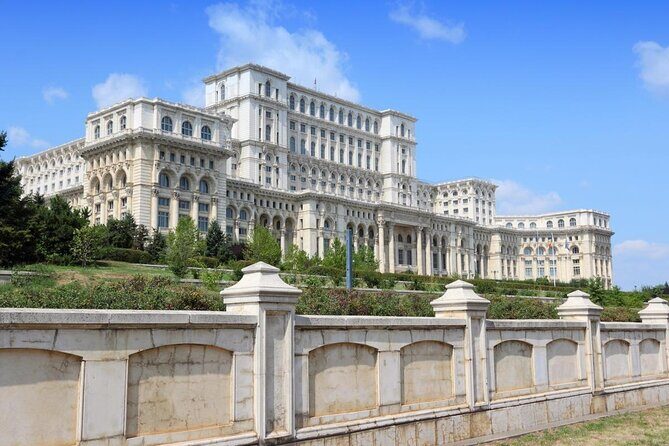
- Palace of Parliament scale: you’ll visit one of the world’s largest administrative buildings, with context about what totalitarian rule can do.
- National Village Museum: Romanian wooden and adobe homes, plus symbols like mills and churches, in one concentrated visit.
- Calea Victoriei contradictions: royal-era power sits a short walk from Communist Party sites and Revolution Square.
- Revolution Square specifics: the route centers on the December 1989 uprising and the fall of Nicolae Ceaușescu.
- Island stop at Snagov Monastery: about 40 minutes outside Bucharest, tied to the Dracula legend and a real tomb.
Bucharest’s communism story starts at the Palace of Parliament
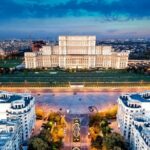
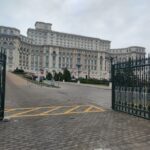
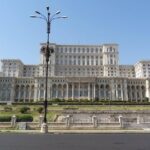
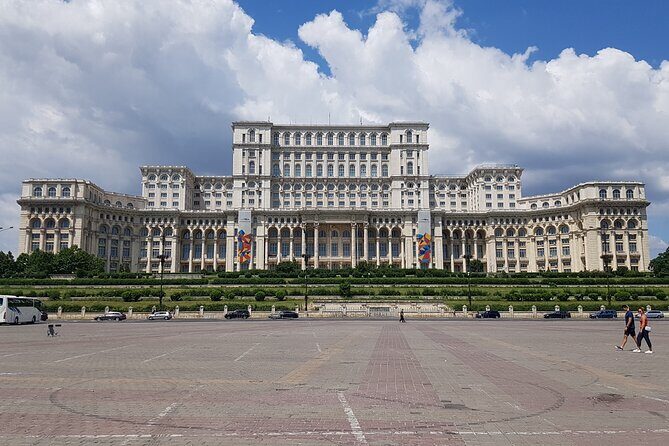
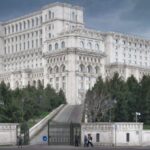
The day’s anchor is the Palace of Parliament, also known as the People’s House. Plan on about 2 hours here, and you’ll need to budget for admission since it’s not included. This is the kind of building that makes you sit up straight. It’s famously enormous—often described as the world’s second-largest administrative building after the Pentagon—and that scale is part of the point.
What I like about the way this stop is handled is the connection between size and ideology. You don’t just see impressive rooms. You get the message: totalitarian regimes can turn national life into a stage for their own power, and the damage lasts long after the rulers disappear. That’s not a casual museum lecture; it’s a “how this works on a human brain” kind of introduction.
You can also read our reviews of more private tours in Bucharest

A practical tip before you go
Wear layers. Palace interiors can be chilly, and you’ll probably move from exterior photo angles to indoor viewing. And since admission isn’t included, check your total budget early so you don’t get surprised later.
National Village Museum: everyday Romania after all that power
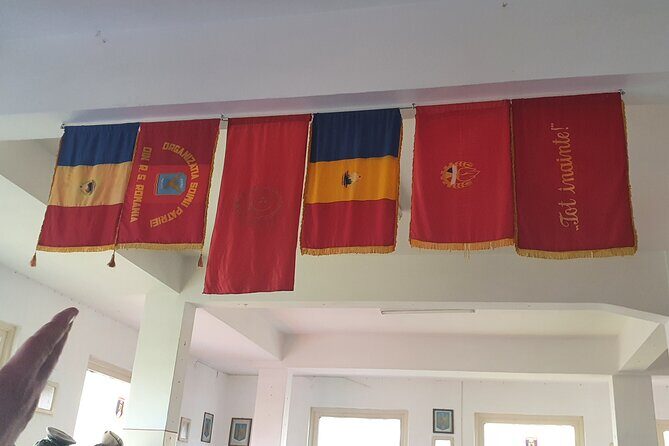
After the political weight of the Palace, the National Village Museum gives your brain a reset. The visit centers on Romanian traditions and the idea of villagers building an ecological, sustainable home environment right in their backyards. It’s about how people lived—modestly, practically, and in tune with surroundings—rather than how rulers staged grandeur.
You’ll see traditional houses from across Romania, including homes made with wood and adobe, and also stone structures. The museum also includes recognizable cultural symbols like a mill and a wooden church. I like this stop because it helps you understand that communism wasn’t experienced only as propaganda and politics. It also touched how people worked, built, and raised families—so seeing everyday culture makes the earlier contrast land.
The drawback: it’s a full-day rhythm
There’s no time to fully “slow travel” on an 8-hour private route. If you’re the type who wants to linger forever with one room or one house, this stop may feel like it goes by fast. Still, it’s one of the best ways to pack a lot of Romanian life into a single day without hopping around the countryside.
Calea Victoriei walk: royal glamour meets Communist bureaucracy
Then you shift to Calea Victoriei (Victory Avenue)—a street where history doesn’t politely stay in its lane. About 45 minutes are set aside here, and the stop is listed as free for admission. It’s a “walk and look” segment with a private guide.
Here’s what makes it interesting. On one side you have the Royal Palace. On the other, you’re close to Communist Party power and the space tied to the 1989 revolution. Along the avenue you’ll encounter the kind of sights that make Bucharest feel lived-in: old Orthodox churches, a music store with a wide selection, casinos, bohemian restaurants, museums, theatres, tea shops, and plenty of retail and gift shops.
You may also pass prominent landmarks connected to Romanian culture and history, including the National History Museum, the Romanian Athenaeum, and the CEC Palace. This is where you start to feel how the city keeps reusing and reframing the same real estate for different stories.
If you like street-level history
This is the portion of the day that helps you get your bearings fast. It’s also a nice break before the darker moments at the next stop.
Revolution Square: the day power flipped
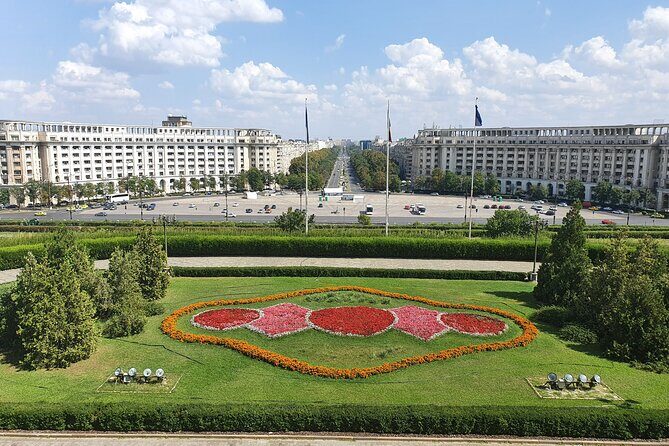
Next comes Revolution Square and the buildings around it, with around 30 minutes set aside. Admission is free here, which is always a win. The focus is the moment Nicolae Ceaușescu was ousted, and the fallout that followed—complete with lingering controversies around state security and even offshore accounts.
What I find useful is the way the guide connects the “what happened” to the physical space. The description here points out the Senate Palace area as the former home of the Central Committee of the Romanian Communist Party. That’s important because you’re not just hearing about an uprising. You’re seeing the stage where the party’s machinery once operated—and the neighborhood tied to the December 1989 revolution that removed Ceaușescu from power.
You’ll also hear the detail about Ceausescu fleeing by helicopter, which adds a human, frantic edge to the historical timeline.
A note on mindset
Try to keep your emotions in check. This stop is intense because the story is personal to Romania, not just an academic topic. If you’re the kind of visitor who likes context and respectful pacing, this fits well.
Snagov Monastery: an island detour and the Dracula connection
Time to loosen the mood, but not the theme. The tour includes Snagov Monastery, about 40 minutes outside Bucharest, and it’s set for 1 hour. Admission is not included.
The draw is partly atmospheric and partly legendary. The monastery is on an island, and the stop is known as the place tied to the tomb of Dracula. Even if you’re not chasing horror stories, this is a change of pace from grand city politics. Water, distance, and the shift from stone monuments to something calmer can make the whole day feel more balanced.
What you should expect
Because it’s outside the city, you’ll spend travel time and then a concentrated visit. Plan for changing weather. If Bucharest feels warm, the island can still feel cooler, especially near the water.
Ceaușescu Mansion: seeing the private life behind the public myth
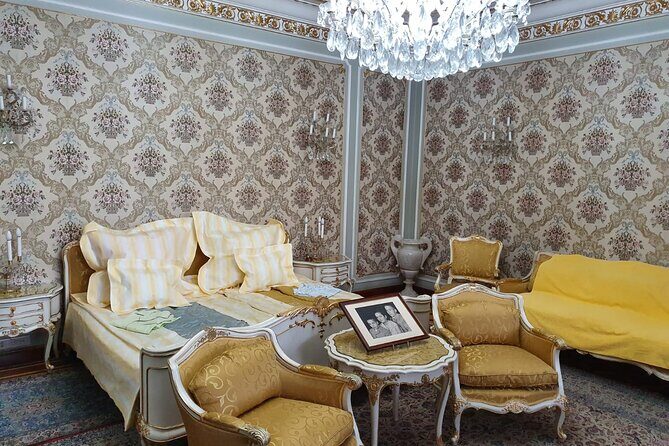
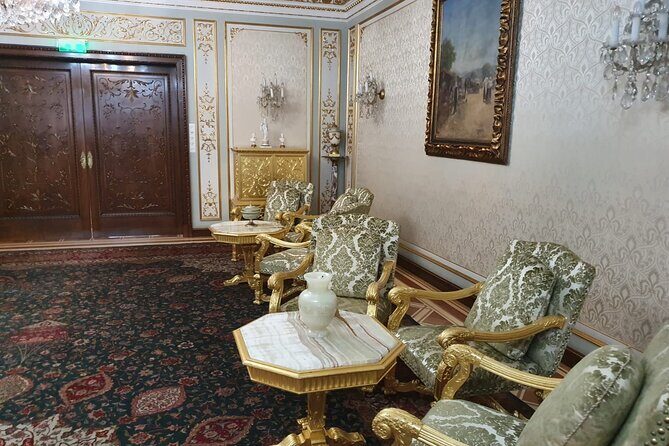
Next you visit the Ceaușescu Mansion, planned for 1 hour 30 minutes, with admission not included. This is one of the most direct stops on the itinerary about how dictatorship spills into family life.
The mansion was the private residence of Nicolae and Elena Ceaușescu for about a quarter of a century, from 1965 to 1989, including time when their children—Nicu, Zoia, and Valentin—lived there too. This stop feels like a “human-scale” counterweight to the Palace of Parliament’s bombastic scale. One building broadcasts the state’s power. The other narrows the focus to what that power looked like when it was off-camera.
Why this works in a single day
I like how the tour uses contrast like a lesson plan. Big government building first. Then Romanian everyday culture. Then a street where power layers stack up. Then revolutionary collapse. Finally, private residence. If you want a coherent narrative without reading a book cover to cover, this structure makes sense.
Romanian Athenaeum: culture as a counterpoint
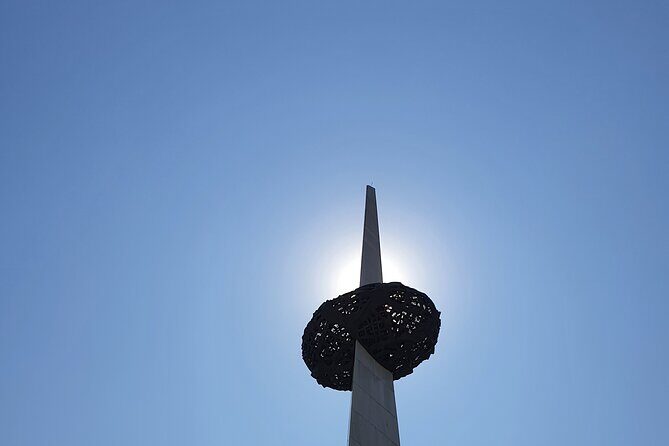
The day ends on Calea Victoriei with the Romanian Athenaeum. It’s often considered one of Bucharest’s cultural symbols, and it’s listed as part of the European Heritage historical landmarks network. This stop is described as one of the most visited attractions on the avenue.
Even without getting stuck on architecture nerd details, you can feel the intention. After the weight of communism’s physical footprint—parade-scale buildings and tightly controlled spaces—you end at a place representing Romanian arts and public life.
A practical angle
The Athenaeum is usually best enjoyed with time to look up and around. If the day runs tight, prioritize exterior views and the main public areas rather than trying to see everything in seconds.
Price and logistics: what $266 buys you (and what it doesn’t)
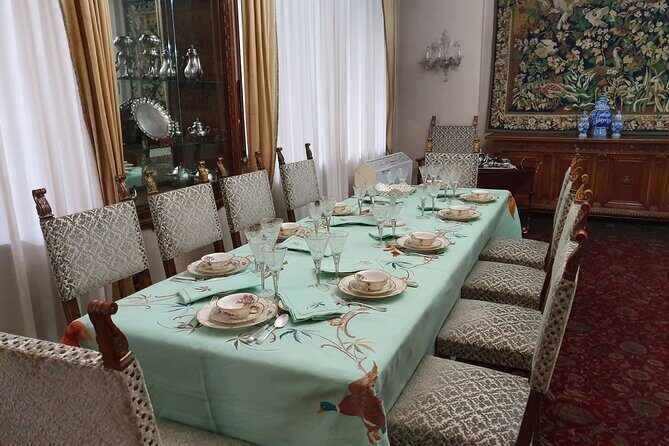
At $266.07 per person for an 8-hour private tour, you’re paying for more than a checklist. You’re paying for a private car (tourism or minibus) just for your group, plus a private licensed English-speaking guide/driver available throughout the tour. You also get all car expenses like gasoline, parking, and road tolls, plus taxes.
What’s not included is the part that can catch people off guard: entrance fees as per the itinerary (listed at 30 euro/person) and food and drinks. So yes, the advertised price is attractive compared to a bunch of separate ticket purchases plus transport, but you should still budget extra for admissions and lunch.
When it feels like great value
This tour makes sense if you want:
- A structured “communism in Bucharest” route without spending time coordinating transport.
- A guide who can answer questions as you walk between sites.
- A private pace, where you can adjust the schedule even after the start.
When it might feel pricey
If you only care about one or two big highlights and you’re comfortable using public transport, you may prefer a cheaper option. But if your time is limited and you want the full narrative, the private setup is doing real work.
Who this 8-hour communism tour is best for
This is a strong fit for:
- Visitors who want a single-day, high-impact route through Bucharest’s communist-era settings.
- People who like history that’s tied to real buildings and specific places rather than only documents.
- Anyone traveling with family or friends who wants pickup, a vehicle waiting, and less logistical stress.
It’s also likely a good match if you appreciate the human touch in guiding. The tour description and feedback patterns point to guides who bring personality and even thoughtful touches like music selection. One name you may run into in this operator’s communications is Nicolas. Another guide name that shows up is Razvan. (Either way, you’re told the guide is English-speaking and licensed.)
Quick decision guide: book or not?
Book this tour if you want an organized, private way to understand Bucharest’s communist layer—from the mind-bending Palace of Parliament to the Revolution Square turning point, then the more intimate Ceaușescu Mansion, with Romanian culture woven in through the Village Museum and the Athenaeum.
Skip it (or change your plan) if you hate ticket costs piling up, you’re sensitive to long days, or you prefer to roam independently with no schedule at all. Also, if you’re mainly interested in Dracula lore, the stop is real but it’s still one hour inside a much larger historical route.
If your goal is clarity in one day, this route gives it to you.
FAQ
What is the duration of the Bucharest Communism private tour?
It’s listed as about 8 hours.
How much does the tour cost?
The price is $266.07 per person.
Does this tour include pickup?
Yes. Pickup is offered.
Is this a private tour?
Yes. It’s a private tour/activity, and only your group participates.
Are entrance fees included?
No. Entrance fees are not included (noted as 30 euro/person).
Does the tour include food and drinks?
No. Food and drinks are not included.
What are some of the main stops on the itinerary?
The stops include the Palace of Parliament, National Village Museum, Calea Victoriei, Revolution Square, Snagov Monastery, Ceaușescu Mansion, and the Romanian Athenaeum.
What is the cancellation policy?
You get free cancellation up to 24 hours in advance for a full refund. If you cancel less than 24 hours before the start time, the amount paid is not refunded.