REVIEW · BUCHAREST
10-Day Private Tour of Romania with Pick Up
Book on Viator →Operated by Romania Private Guide · Bookable on Viator
Romania, minus the stress of planning. This 10-day private tour connects Bucharest, Transylvania, and Bukovina into one logical route, with a private English-speaking guide/driver (Nicolas) and pickup so you spend less time figuring out logistics and more time seeing the real places.
I love how the itinerary mixes big, famous sights with deeply Romanian stops, like the Village Museum, Dacian ruins, and the painted monasteries of Bukovina. And I especially like the flexibility of a private format, so the day doesn’t feel like a rigid conveyor belt.
One drawback to weigh: entrance fees aren’t included for you (only the guide’s are), and you’ll be in the car a lot. Also, the Transfăgărășan Highway is only fully open from June to October, so timing matters.
In This Review
- Key Things I’d Highlight Before You Go
- How Private Pickup Changes Your Romania Route
- Day 1 in Bucharest: Palace of Parliament, Revolution Square, Old Town
- Day 2: Curtea de Argeș, Poienari, and the Transfăgărășan Drive
- Day 3: Corvin Castle, Densuș Church, and Sarmizegetusa Regia
- Day 4: Turda Salt Mine, Botanical Gardens, and Surdesti Wooden Church
- Day 5: Maramureș Merry Cemetery and the Communism Memorial
- Day 6: Barsana Monastery, Tihuța Pass, and Ciocănești Painted Houses
- Day 7: The Bukovina Painted Monasteries Run (Voroneț, Humor, Sucevița, Moldovița)
- Day 8: Egg Museum, Popa Sculpture, and Bicaz Gorges Fresh Air
- Day 9: Sighișoara Clock Tower and Biertan Fortified Church
- Day 10: Brasov Black Church, Bran Castle, and Peliș Castle
- Price and Logistics: Is $3,918.13 Per Person Worth It?
- Should You Book This 10-Day Private Romania Tour?
- FAQ
- Is pickup included?
- Is this tour private?
- Do I need to pay entrance fees?
- What language is the tour in?
- What’s included besides the car?
- Are there tickets and confirmation provided?
- What is the cancellation window?
Key Things I’d Highlight Before You Go
- Private pickup and a private English-speaking guide/driver mean fewer hassles and better explanations at every stop
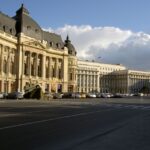
- Bucharest’s political sites (Palace of Parliament and Revolution Square) are placed next to culture stops like the Romanian Athenaeum
- Transfăgărășan Highway adds the classic road-trip moment, with seasonal caveats
- Dacian and medieval Romania shows up in three ways: Corvin Castle, fortified churches, and Sarmizegetusa Regia
- Bukovina monasteries are scheduled in a focused run, so you see the full painted-church story without rushing
- You get nature time too, with Bicaz Gorges breaking up the castles-and-churches rhythm
How Private Pickup Changes Your Romania Route
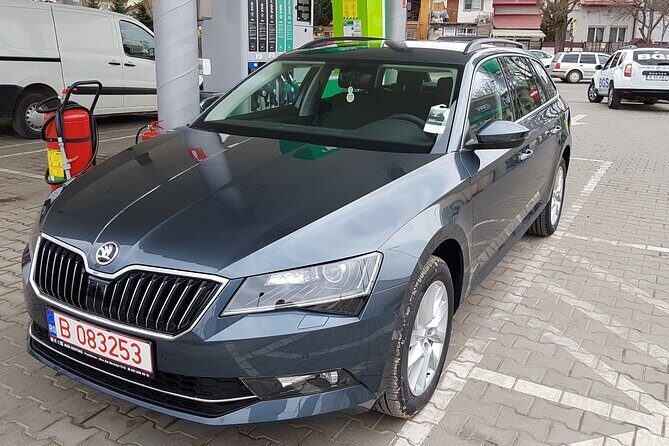
The biggest practical win here is simple: you get picked up and driven in a private car for your group. That matters in Romania, where distances add up and public transit between “the main points” can be slow or indirect.
A private driver also means you’re not stuck with the usual tourist math: what time does the bus arrive, how long is the walk, which ticket line is shorter. Your guide/driver can handle the pacing so the day doesn’t fall apart the moment one ticket desk runs behind.
You also get complimentary wireless internet in the car, which sounds small, but it helps a lot for navigation, checking opening times, and keeping everyone’s plans straight—especially when you’re hopping between different regions and towns.
You can also read our reviews of more private tours in Bucharest
Day 1 in Bucharest: Palace of Parliament, Revolution Square, Old Town
Bucharest can feel like two cities at once: grand and theatrical in the center, then abruptly heavy with memory in the political landmarks. This day uses that contrast on purpose.
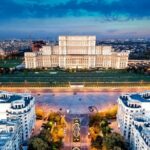
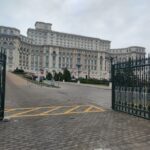
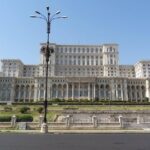
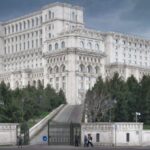
Palace of Parliament (People’s House). You’ll see one of the most controversial buildings on the planet, infamous for totalitarian-style excess. It’s gigantic—so big that close-up selfies can feel awkward. The value of this stop isn’t the photo; it’s the context. You’ll learn how a regime’s priorities show up in architecture and how damaging that can be.
National Village Museum (Dimitrie Gusti). Right after all that political scale, you get a calmer kind of Romania. The museum is a living snapshot of traditional village life, focused on how people built an everyday world that fit their surroundings. It’s the kind of visit where you walk out thinking, oh, this is what community and land meant.
Romanian Athenaeum. Even if you’re not a classical-music person, this is one of Bucharest’s cultural markers. It’s a strong “Bucharest identity” stop, and it works well after the museums because it shifts you from past lifestyles to national culture.
Revolution Square (Piaka Revolukiei) and the Old Town. This is where the day turns from heritage to consequence. You’ll connect the fall of Nicolae Ceaușescu to what the square and nearby buildings represent, then finish in the historic center with places like Hanul lui Manuc—a fortified inn that once served merchants passing through.
Practical note: your first day is packed, but because it’s private, you’re more likely to get sensible pacing rather than rushing every doorway.
Day 2: Curtea de Argeș, Poienari, and the Transfăgărășan Drive
Day 2 is a classic “Romanian storybook” combo—royal churches, cliffside ruins, and then one of Europe’s most famous mountain roads.
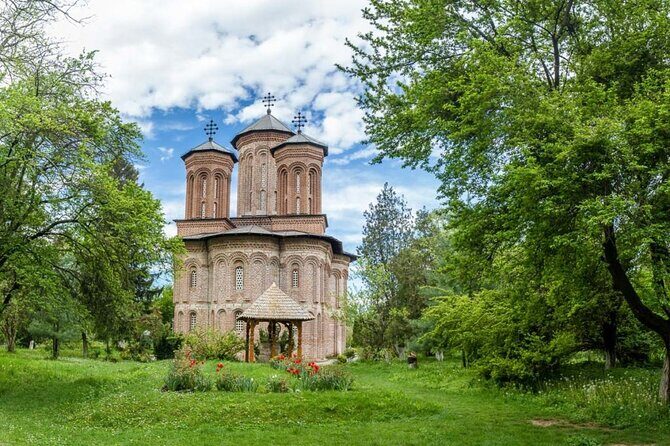
Curtea de Argeș Monastery. This stop is short but meaningful because it anchors the region’s royal legacy in stone and ruins. You’ll see the older Wallachian setting, the 13th-century Royal Church, and the Argeș Monastery’s big, sad history. It’s not just pretty architecture; it’s a reminder that power and faith were tightly linked.
Poienari Castle. Then you get the dramatic version: ruins high on a cliff above the Argeș River. This is the Vlad story you’ve heard about, but here it’s tied to the terrain—escape routes, fortresses, and the way conflict shaped what got built and abandoned.
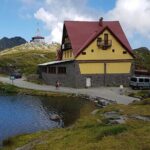
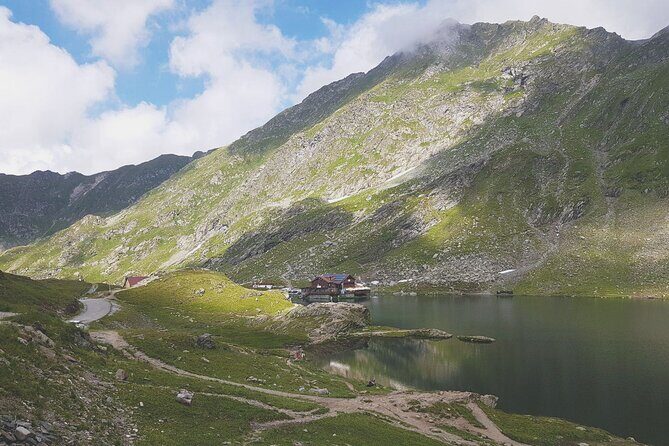
Transfăgărășan Highway. The road itself becomes the attraction. It runs over 150 kilometers and reaches a high point of 2,042 meters. The tour description also calls out Lake Balea (Balea Lac) and the tunnel linking sides of the mountain range. The practical takeaway: this is a “plan around season” stop. Since it’s only fully open from June to October, your booking month can make or break how smooth that part feels.
Piata Mare (Big Square) in Sibiu. After mountain drama, you land in a historic square setting with the atmosphere of Transylvanian Saxon towns. The charm here is the layout—streets, architecture, and the sense of a city that’s been shaped over many centuries.
Day 3: Corvin Castle, Densuș Church, and Sarmizegetusa Regia
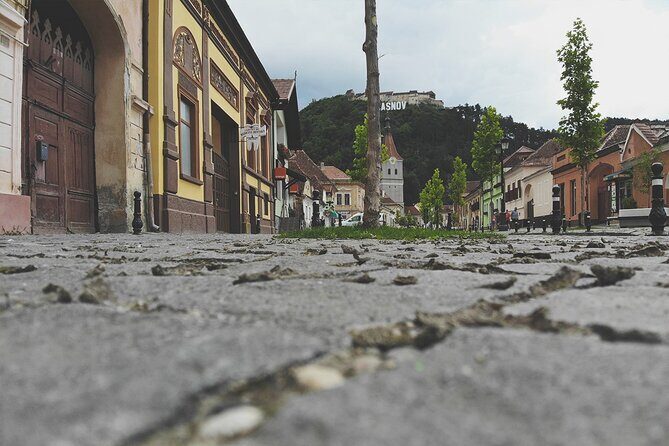
This is your “how Romania stayed strong through layers of time” day.
Corvin Castle (Castelul Corvinilor / Hunyadi Castle). One of the largest castles in Europe, and one of Romania’s best-known, so you’ll understand why people call it one of the Seven Wonders of Romania. The point here isn’t just scale—it’s that you’re seeing a Gothic-Renaissance blend, not a single-style theme park.
Densuș Church. This is the older, quieter cousin of castle days. Densuș is said to be Romania’s oldest stone church in its current form, built in the 13th century on the site of earlier Roman-era remains. The church’s interior murals add a very specific local flavor, including Jesus depicted wearing Romanian traditional clothes.
Sarmizegetusa Regia. Then you shift from medieval to ancient. This Dacian capital and fortress complex sits on a 1,200-meter-high location, with a system of citadels that once formed a strategic defensive structure. The visit helps you connect the dots between why later powers fought over territory and how the Dacians engineered protection into the landscape.
If you like big-picture context, this day delivers. If you prefer only “easy postcard stops,” you may want to slow your pace mentally here.
Day 4: Turda Salt Mine, Botanical Gardens, and Surdesti Wooden Church
Day 4 is where the tour balances “wow” with variety.
Salina Turda (Turda Salt Mine). If you’ve never done a salt mine, it surprises people in a good way. It’s visually memorable, and there’s an added wellness angle mentioned in the tour description: the saline air can be beneficial, especially for respiratory issues like allergies or asthma. Even if you’re not thinking about health, it’s a fun break from castles and churches—different temperature, different lighting, different feel.
Gradina Botanica Alexandru Borza. This stop adds a lighter tone. It’s tied to Cluj area sightseeing vibes, with hints toward architecture styles and the kind of Old City walk that’s good for photos and people-watching.
Surdesti Wooden Church. The day ends with craftsmanship you can’t fake. The Surdesti church is known for its impressive tower height and for being a major wooden construction built in 1721. This is the kind of stop where you look up a lot and realize how much work went into something made without modern shortcuts.
Day 5: Maramureș Merry Cemetery and the Communism Memorial
Romania’s story here gets emotional. Not sad in a hopeless way, but real.
Merry Cemetery (Sapanta). This is the quirky, colorful counterweight. The crosses and tombstones are described as works of art with humorous poems about the deceased. It’s a reminder that people grieved, sure—but also kept humor as part of how they lived.
Memorial of the Victims of Communism and of the Resistance. Then you hit the seriousness: a memorial museum showing the damage of communist oppression and the suffering it caused. If you’re the kind of person who wants to understand not only what Romania looks like, but how it got shaped, this stop is a key piece.
Together, these two places create a strong emotional range in a single day. That contrast can land hard, but it’s exactly why the tour feels more than sightseeing.
Day 6: Barsana Monastery, Tihuța Pass, and Ciocănești Painted Houses
This day is strongly “Carpathians and Bukovina vibes” without going too heavy on one theme.
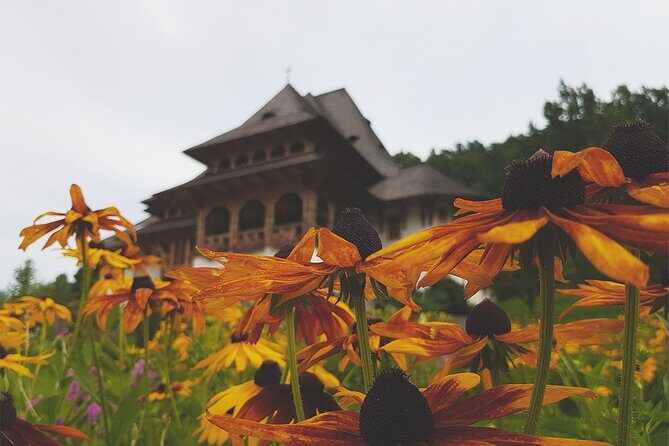
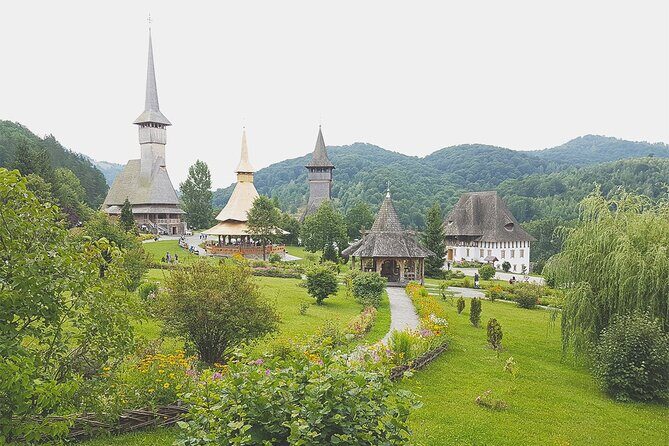
Barsana Monastery. The tour description calls it one of the tallest wooden churches in Romania, at 57 meters. The experience is framed as more than a visual stop—walking in the courtyard and taking in the setting is part of the point. You’ll also get that “spiritual architecture” feeling that keeps showing up across these regions.
Tihuța Pass. You get mountain drama again, and this stop is interesting because it connects geography to literature. Bram Stoker popularized the Dracula link through the term Borgo Pass, and there’s also mention of Hotel Castel Dracula at an elevation of 1,116 meters. Even if you’re not a Dracula fanatic, it’s a fun way to see how names and myths stick to real places.
Ciocănești. The day ends with the painted-house tradition along the Golden Bistrița River. The description highlights traditional motifs and a setting of forests and meadows. It’s an easy, eye-catching way to close the day after monasteries and mountain roads.
Day 7: The Bukovina Painted Monasteries Run (Voroneț, Humor, Sucevița, Moldovița)
This is the tour’s signature stretch. If you love religious art, medieval churches, or simply beautiful blue-and-ceramic-bright walls, you’ll want to be present for this day.
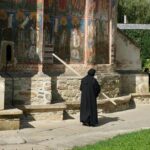
Voroneț Monastery. Often called the Sistine Chapel of the East. The standout feature is the intense shade of blue known as Voroneț blue. The visit also ties back to Stephen the Great and the timing of the monastery’s construction, so it’s not only visual—it’s story-based.
Humor Monastery. Another fortified monastery, built so it could last through repeated destruction. The walls and the defensive design matter because you’re seeing architecture shaped by survival, not just devotion.
Sucevița Monastery. The description emphasizes how its biblical scenes and icons create a vivid visual guide to Christian history. It also notes why it’s part of UNESCO World Heritage. This stop tends to feel like walking through a chapter book.
Moldovița Monastery. The focus here is mural art again, inside and outside. The fortified church set-up keeps the day consistent: paint, protection, and the sense of a community that invested in both meaning and safety.
Practical advice: monastery days can blur. Bring a notebook or notes app and jot one impression per stop. Your brain will thank you later when you compare churches.
Day 8: Egg Museum, Popa Sculpture, and Bicaz Gorges Fresh Air
Day 8 is what I call the “you needed a breath” day, even if it still includes culture.
Lucia Condrea Egg Museum. This one is unique enough that it genuinely changes your Romania memories. The museum is described as containing over 5,500 exhibits in 56 display cases. If you like oddball art collections, this is your payoff moment. It’s also local—so it feels less like standard tourism.
The Popa Museum (Nicolae Popa). Another arts-focused stop, but with a life story built into it. The description explains Popa’s background: wounded in WWII, imprisoned by communists for opposing the regime, and left without possessions besides his house—then choosing to build something meaningful through sculpture. That context can make the museum feel personal instead of just decorative.
Bicaz Gorges. Then you go outside for a longer nature walk along a river carved through mountains and virgin forest. This is a great break after religious art density. It’s also where you get a different kind of Romania: the less historical, more immediate scenery.
Day 9: Sighișoara Clock Tower and Biertan Fortified Church
Two different kinds of medieval you’ll see.
Sighișoara Old Town, Clock Tower, and Arms museum. Sighișoara is described as a living medieval fortress with more than 700 years of continuous habitation, which is rare. The Clock Tower and arms museum add “how people actually lived and defended themselves,” not just how the buildings look.
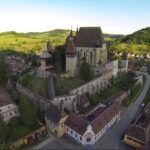
Biertan Fortified Church. This UNESCO-listed church comes with thick defensive walls and bastions. It’s located on a hillock inside town defenses, with three defensive walls and seven bastions called out in the tour description. This is medieval Saxon Romania told through construction choices.
If you’re castle-churched out by day 9, you’ll still probably enjoy these because they’re connected to defense and daily life.
Day 10: Brasov Black Church, Bran Castle, and Peliș Castle
The last day aims for a “finale trio”: medieval-town walk, Dracula legend stop, and royal grandeur.
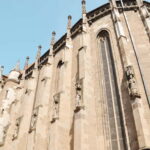
Brasov Old Town and Black Church. You’ll take a walking tour, including the Old Town square and medieval city walls, plus the Black Church. There’s also built-in free time to absorb the atmosphere in Brasov cafés. That free time is smart—it keeps the ending from turning into one long rush to the next checkpoint.
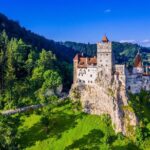
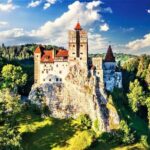
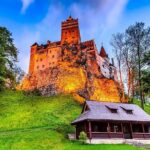
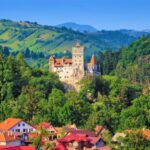
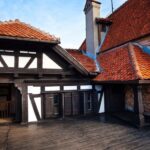
Bran Castle (Dracula’s Castle). Bran is framed as between myth and history. The tour description talks about how Bran resembles Stoker’s fictional Dracula home, and that you can sample traditional foods outside the castle area, including handmade cheeses, pálinka, and local ham and sausages.
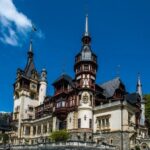
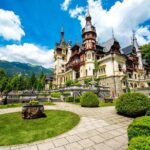
Peliș Castle. You close with the Romanian royal summer residence, described as one of the most important tourist attractions in Europe for sheer beauty and status. Even people who claim they’re not “castle people” tend to get quiet here. It’s the kind of stop that feels like a reward.
Price and Logistics: Is $3,918.13 Per Person Worth It?
This price is not cheap, so your key question is what’s included versus what you manage yourself.
What you do get for the money:
- Private transportation in a car or minibus just for your group
- A licensed English-speaking guide/driver available throughout the tour
- Guide accommodation and meals and entrances fee for the guide
- Car expenses covered (gasoline, parking, road tolls)
- Wireless internet in the car
- The schedule is private, so it comes with flexibility for changes even after it starts
What you pay separately:
- Your accommodation, meals, and beverages
- Entrance fees as per the itinerary (some stops are stated as not included, and a few notes mention free admissions for certain places, but you should still budget for entry costs)
So the value calculation is really about how much you want someone else to handle driving, routing, timing, ticket navigation, and on-the-ground explanation. If you’re traveling as a small family group and want to see a lot without turning every day into planning work, a private format like this can be a very practical choice.
If you’re traveling solo and don’t care about guides, you could likely do parts independently for less. But you’d lose the “everything makes sense” storytelling and the smooth logistics that let you spend time inside places, not at bus stops.
Should You Book This 10-Day Private Romania Tour?
I think this tour is a strong pick if you want Romania in a coherent arc: political Bucharest, Transylvania castles and Dacian power, and the painted-monastery focus of Bukovina, all delivered with a real English-speaking guide.
Book it if:
- you like your history explained, not just photographed
- you want the convenience of pickup and private driving
- you’re okay with paying entrance fees on top of the base price
- you’re traveling as a group where the private car cost is easier to justify
Skip or rethink it if:
- you prefer to travel with minimal driving time
- you’re visiting outside the June–October window and care specifically about getting the Transfăgărășan Highway experience at full operation
- you want everything included all-in with no additional ticket costs
FAQ
Is pickup included?
Pickup is offered. You’ll need to share your pickup time and address so the team can arrange it, and it helps to include your phone number.
Is this tour private?
Yes. It’s described as a private tour/activity, meaning only your group participates.
Do I need to pay entrance fees?
Yes. Entrance fees as per the itinerary are not included, even though a few specific stops are noted as free or not included.
What language is the tour in?
It’s offered in English, with a private licensed English-speaking guide/driver available throughout the tour.
What’s included besides the car?
The tour includes accommodation, meals, and entrances fee for the guide, plus wireless internet access in the car and coverage of car expenses like gasoline, parking, and road tolls.
Are there tickets and confirmation provided?
You receive a mobile ticket, and confirmation is received at the time of booking.
What is the cancellation window?
Free cancellation is available up to 24 hours in advance of the experience start time for a full refund.