REVIEW · BUCHAREST
Troubled – Notorious Neighborhood – area known for social issues
Book on Viator →Operated by Supplier · Bookable on Viator
Real Bucharest comes with uncomfortable edges. This private tour takes you beyond Old Town into Ferentari, Rahova, and the village of Sinești—places most visitors never see—guided by people who know how to explain what you’re looking at. You’ll spend about 3 hours 30 minutes on the move, with pickup offered and the tour run in English.
I love the way the experience combines walking with brief vehicle transfers, so you can actually cover a lot of ground without feeling lost or stuck in one spot. I also like that the focus is on everyday life—markets, street scenes, and how residents live and follow unwritten rules—rather than just snapping photos for shock value.
One drawback to consider: this route goes through neighborhoods with real social tensions, and you’ll be expected to handle it with care. The guide sets boundaries, and you need to dress simply (no jewelry or expensive items) and respect limits on what you can photograph or record.
In This Review
- Key things you should know before you go
- Why Ferentari, Rahova, and Sinești feel like real Bucharest
- The 3.5-hour plan: how the timing and movement work
- Stop 1: Ferentari and the reality check you can’t unsee
- Stop 2: Rahova, markets, and the penitentiary shadow
- Stop 3: Sinești and the contrast of Roma palaces
- The guide: why humor and boundaries matter here
- Respect rules that keep the experience human
- Price of $130.83: is it good value?
- Who should book this tour—and who should skip it
- Should you book this tour?
- FAQ
- How long is the Bucharest tour?
- Where does the tour go?
- Is pickup offered?
- Is this a private tour?
- What language is the tour in?
- Are there admission fees for the stops?
- Do I need to dress in a specific way?
- Is the tour near public transportation?
- What if I want to take photos or video?
- What is the cancellation policy?
Key things you should know before you go
- It’s private: only your group, so the pacing and boundaries can fit your questions and comfort level
- Three focused stops: Ferentari, Rahova (including the area tied to the penitentiary), and Sinești
- No entry tickets: each stop lists admission as free, so you’re paying for the guidance and time
- Vehicle + on-foot balance: some parts are walked (including market areas), others are by car to save time
- Respect is built in: dress simply and follow the guide’s rules about photos and behavior
- English-speaking guidance: and the tour is designed for most people who can handle normal city walking
Why Ferentari, Rahova, and Sinești feel like real Bucharest
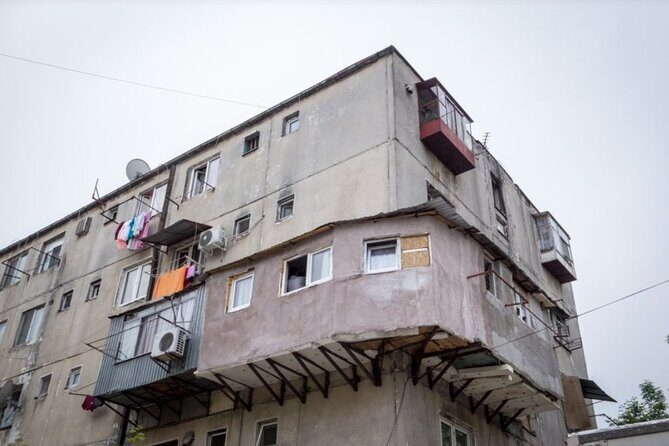
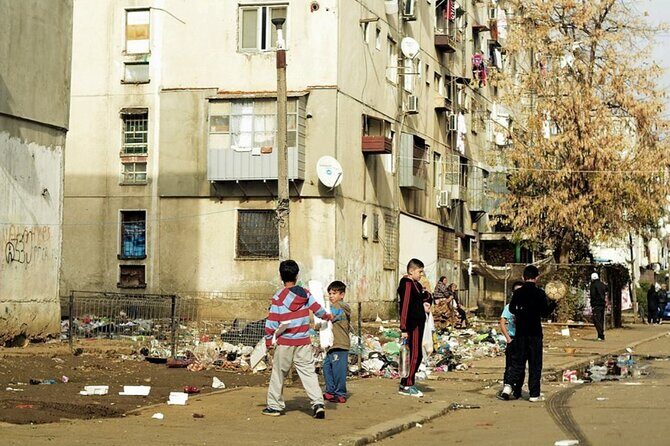
Bucharest is easy to love from the center: parks, grand buildings, good cafés, and tidy boulevards. But if you only stick to the postcard routes, you miss a major part of the city’s story. This tour is built around that missing piece. You’ll be in neighborhoods that are described as troubled and known for social issues, including areas tied to the Roma community and the contrast between hardship and wealth.
I like that the tour doesn’t pretend everything is the same everywhere. You’re not getting one-note poverty tourism. Instead, you move through different realities: everyday commerce in street markets, the texture of residential areas, and the striking look of the Roma-influenced palaces in Sinești. That contrast is exactly what makes the experience memorable—and useful—if you want to understand Bucharest as a whole city rather than a curated center.
Just remember the tone you’re signing up for. This isn’t entertainment. It’s a guided look at lived life, including parts that many visitors would rather avoid. The guides included in this experience—people such as Sebastian, Bogdan, Catalin, Valerică, and Matthew—are repeatedly praised for storytelling, humor, and keeping the group oriented on what is and isn’t okay.
You can also read our reviews of more tours and experiences in Bucharest.
The 3.5-hour plan: how the timing and movement work
The tour runs about 3 hours 30 minutes. That timing matters because these neighborhoods are not just “off the map.” They’re part of an active city—streets, homes, markets, and people going about their day. A shorter tour usually turns into rushed sightseeing. A longer one can weigh on your patience and attention. This one sits in the workable middle.
Most of the day’s time is split between vehicle segments and on-foot stretches. You’ll spend at least part of the experience walking through areas like local markets, where you can see the everyday hustle and how people actually shop and talk. The rest is by car, which helps keep the day comfortable and lets you cover multiple locations without spending everything on travel time.
You’ll also be close to public transportation. That doesn’t mean you should treat the tour like an independent bus trip, but it does suggest the route is in normal city corridors rather than deep outskirts. And because this is a private tour, you’re not stuck with the slow pace of strangers or the chaos of a large group.
Stop 1: Ferentari and the reality check you can’t unsee
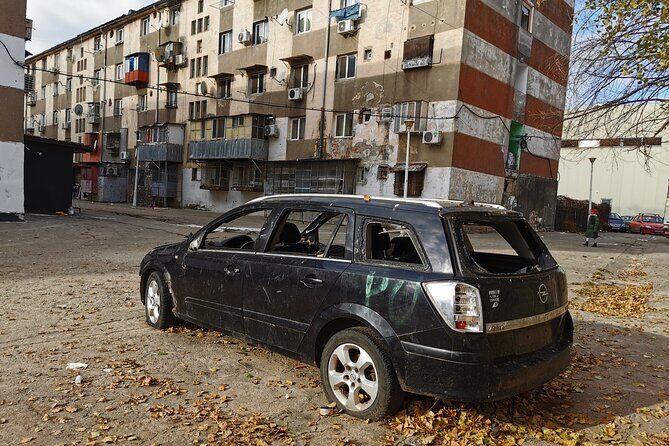
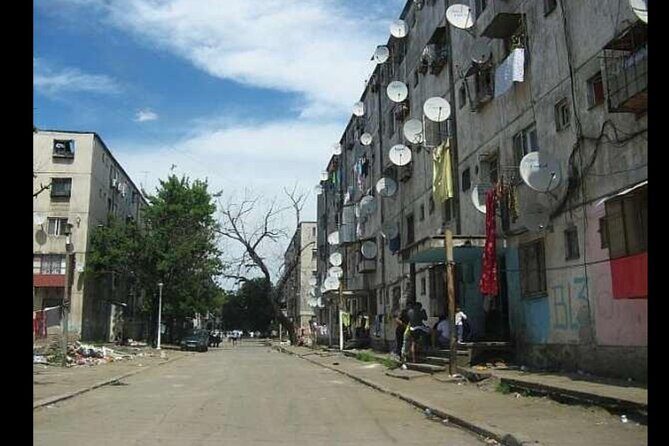
Ferentari is the first stop, and it’s described in blunt terms in the tour outline: a famous neighborhood tied to the lowest standard of living in Bucharest. You’ll be in the area for about 1 hour 10 minutes, with admission listed as free.
What makes this stop stand out is the pacing. You’re not just looking from the sidewalk. You’re shown the street level of daily life in a place with serious challenges. The route can include streets such as Strada Zăbrăuțului 5 and Aleea Iacob Andrei 11, plus other nearby streets listed for the visit. That matters because it keeps you from treating Ferentari like a single viewpoint. You’re seeing neighborhood texture: what’s around people, how they move, and what the city looks like when it’s not designed for tourists.
In terms of what you’ll feel, expect a strong shift from the center. I’d call it a reality check, not a party. You’ll likely also understand why the guide emphasizes respect and behavior so much here. The goal isn’t to collect dramatic images. It’s to recognize that this is somebody’s home and community.
Good to know: if your comfort level with tough street scenes is low, this is the stop that will most test it. If you can handle that and you’re willing to be quiet, observant, and careful, it becomes one of the most educational parts of the day.
Stop 2: Rahova, markets, and the penitentiary shadow
Rahova is next, also timed at about 1 hour 10 minutes, and admission is free. The tour frames Rahova as a neighborhood associated with a large Roma population, and it also points to a feared penitentiary area. Even if you don’t focus on the building itself, the presence of that history shapes the neighborhood’s atmosphere and the guide’s storytelling.
This stop can include streets and addresses such as Rahova Penitentiary Strada Adrian 4 and Aleea Livezilor. That gives you a grounded sense of place. You’re not just hearing generalized facts; you’re walking within a specific geographic story.
One thing I really value here is the market time. You’ll get chances to see how people shop and live day to day, and in at least one case, the experience included buying groceries at a market. That kind of practical, human detail is what turns a “dark neighborhood” label into something concrete and understandable.
You should also be aware that the tour isn’t trying to make you the hero. It’s very much about boundaries. The guide will indicate what’s possible and what’s not, and you’ll be expected to follow their lead.
A small but important note: if you want photos, plan to ask first and follow the guide’s directions. One of the strongest pieces of advice from the experience is to avoid taking pictures or recording whenever you want. You’re there to learn, not to make the neighborhood your backdrop.
Stop 3: Sinești and the contrast of Roma palaces
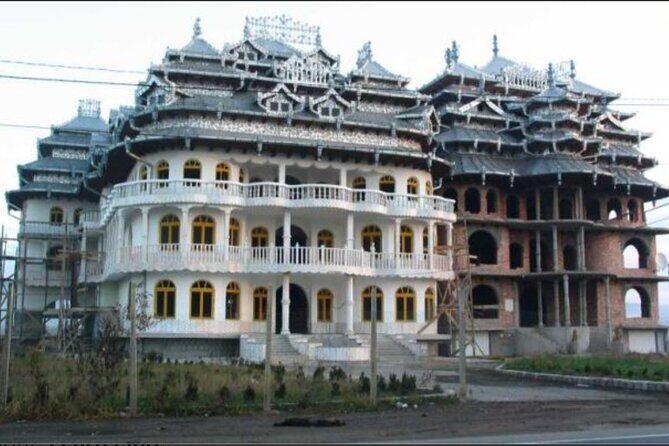
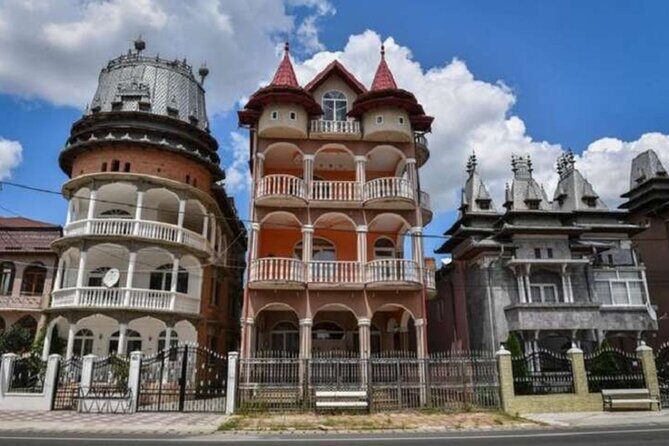
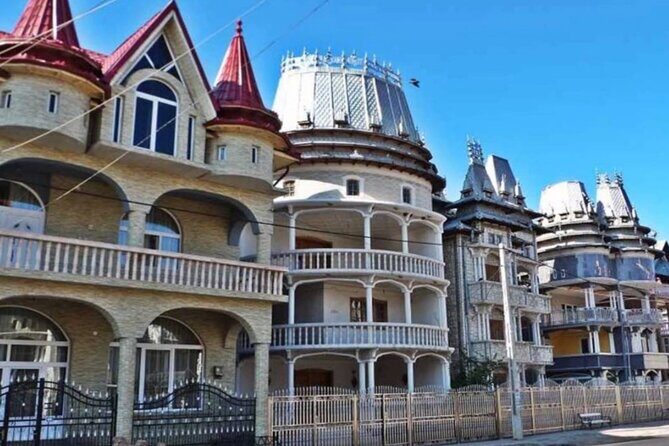
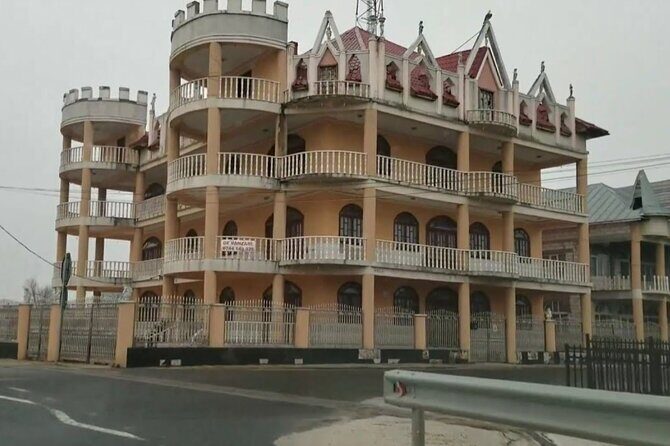
Sinești is the final stop: a village with Roma palaces. The tour description keeps it simple—admission free, and about 1 hour 10 minutes. The visit includes Strada Principală Nr. 353A, and this is where Bucharest’s “contrast reality” becomes most visible.
Why this stop matters: it breaks the stereotype cycle. If your only image of Roma communities is poverty, Sinești can challenge that in a direct, visual way. The palaces aren’t presented here as tourist décor. They’re explained in the context of the community’s life and choices, with guides offering background on Roma history and day-to-day culture as part of the walk.
In at least one account of the experience, there was also a brief chance to speak with community members. You should treat that as possible, not guaranteed. Either way, the guide’s job is to help you behave appropriately, show respect, and stay within what the community is comfortable with.
Sinești also gives your brain a chance to balance the previous two stops. Ferentari and Rahova carry heavy energy. Sinești lets you see how different levels of living show up in real places, right on the ground.




The guide: why humor and boundaries matter here
The difference between a good tour and a harmful one is the guide. This experience is consistently associated with guides who manage both information and behavior. People named Sebastian and Bogdan show up in accounts as guides who combine safety with storytelling and humor. Catalin is praised for clear explanations and for telling you what’s possible and what isn’t. Valerică is described as disciplined, respectful, and focused on how Roma life actually works—code of conduct, daily struggles, and how to interact without being intrusive. Matthew also appears in accounts as a guide who leads the group into areas visitors typically wouldn’t access.
When you read those guide names, the pattern is clear: you’re not just being transported. You’re being coached on how to act. That’s why reviews repeatedly mention feeling safe with the guide, even in rougher areas. Safety here isn’t about pretending nothing is difficult. It’s about having someone who knows the route, understands the context, and tells you where not to push.
If you’re the kind of traveler who asks good questions, this is likely your kind of tour. The tone from the guides is often described as conversational, with room for questions and real back-and-forth.
Respect rules that keep the experience human
This tour asks you to slow down. The dress guidance is straightforward: wear simple clothes and skip jewelry and expensive items. That isn’t about style. It’s about blending in and reducing attention. It also signals to people that you’re not arriving like a spectacle.
You should also keep your camera habits in check. The most practical advice: don’t take pictures or videos just because you can. Ask when appropriate, and follow your guide’s directions. The experience notes that you’ll be told what is and isn’t possible. That’s not nitpicking. In neighborhoods like this, a disrespectful photo can create real harm fast.
And one more thing: keep your curiosity respectful. If the guide shares information about Roma life and struggles, treat it like learning from a teacher, not like collecting shock value. The goal is understanding, not judging, and certainly not turning people’s lives into entertainment.
Price of $130.83: is it good value?
At $130.83 per person for about 3 hours 30 minutes, it’s not a cheap “walk-and-take-photos” tour. But the value is clearer once you look at what you’re paying for.
You’re paying for:
- A private group rather than a large crowd
- Pickup offered and local-area routing
- A human guide who can explain sensitive context and manage boundaries
- Multiple locations (Ferentari, Rahova, Sinești) with no entry tickets listed
The stops are marked with admission as free, so the cost isn’t going to museums or attractions. It’s going into the guide work: context, pacing, and access. In places like this, access and careful guidance are the product.
Also, the tour is often booked about 48 days in advance on average. That suggests this isn’t a last-minute-only experience. If you’re serious about it, plan ahead.
Who should book this tour—and who should skip it
This tour fits best if you want Bucharest beyond the main loop. If you like your travel grounded in real streets, human stories, and visible contrasts, you’ll likely find it meaningful. It’s also a strong choice if you value guided explanation—especially around Roma life, community dynamics, and respectful behavior.
It may be harder for you if:
- you’re uncomfortable with neighborhoods described as having social issues
- you prefer “pleasant” walking tours over learning in difficult spaces
- you want constant photo opportunities without asking or following rules
Most people can participate, and the tour notes it’s near public transportation, which helps. But your attitude is the bigger factor than your fitness level. This is about how you show up.
Should you book this tour?
I’d book it if your goal is to understand Bucharest as a full city, not just the center. The standout promise is the mix of three distinct areas—Ferentari’s hard reality, Rahova’s daily life with market time and the penitentiary context, and Sinești’s striking contrast in Roma palaces—handled by guides who keep the tone respectful and the group safe.
Skip it if you want a light, carefree day with minimal discomfort. This tour can be eye-opening in a serious way. It asks you to follow instructions, dress simply, and treat people with care.
If you do book, go with an open mind, keep your camera respectful, and let the guide’s stories do their job. That’s when this tour turns from a “dark side” curiosity into real understanding.
FAQ
How long is the Bucharest tour?
It runs for about 3 hours 30 minutes.
Where does the tour go?
The tour includes stops in Ferentari, Rahova, and Sinești (a village with Roma palaces).
Is pickup offered?
Yes, pickup is offered.
Is this a private tour?
Yes. It’s a private tour/activity, and only your group participates.
What language is the tour in?
The tour is offered in English.
Are there admission fees for the stops?
Admission is listed as free for each stop.
Do I need to dress in a specific way?
Yes. Dress as simply as possible and avoid jewelry or expensive items.
Is the tour near public transportation?
Yes, it’s listed as near public transportation.
What if I want to take photos or video?
The guidance is to respect the situation and not take pictures or videos whenever you want. Follow what your guide says is possible.
What is the cancellation policy?
You can cancel for a full refund up to 24 hours in advance of the experience start time.