REVIEW · BUCHAREST
Mystical Monasteries, Dracula’s Tomb and Mogosoaia Lake Palace – Private Tour
Book on Viator →Operated by Discover Romania Tours · Bookable on Viator
A good story travels best with a calm plan. This private outing stacks three big “near Bucharest” stops into a single half-day with a driver, plus quick photo passes through central monuments. You get lake monasteries, Dracula legend, and a palace style tied to Romanian identity.
I especially like the no-rush private format. A punctual guide-driver (Marius and Toni are names you might hear from previous groups) can keep the day flowing, answer questions, and even adjust the timing if you care about specific viewpoints or photos. Second, I like the small comfort touches: air-conditioning, on-board Wi‑Fi, bottled water at the start, and a sweet surprise.
The main drawback to plan around is that site access can change. On certain dates (like holiday preparations), interiors at some stops may be closed without much warning, so build in flexibility and don’t count on every ticketed room being open.
In This Review
- Key things to know before you go
- The format: a private driver day that feels efficient
- City quick passes: University Square, Arcul de Triumf, and Revolution Square
- Caldarusani Monastery: Orthodox architecture on the water (and a language connection)
- Snagov Monastery and Dracula’s Tomb: the legend you can almost touch
- Mogosoaia Lake Palace: Brâncovenesc style and a tragic end
- How long it takes, and why timing feels relaxed
- What you’ll notice most: guides, photos, and small adjustments
- Price and value: is $132.03 per person worth it?
- Weather and site access: the one thing that can change your day
- Who this tour is best for
- Should you book Mystical Monasteries, Dracula’s Tomb and Mogosoaia Lake Palace?
- FAQ
- How long is the tour?
- Is hotel pickup included?
- Is this tour private?
- What languages are available for the guide/driver?
- Are tickets included for all stops?
- What’s included in the vehicle?
- What refreshments are provided?
- Which sites are included in the route?
- Does the tour run in any weather?
- What if I cancel close to the start time?
Key things to know before you go
- Private pickup from central Bucharest means less time figuring out transport and more time outside.
- Caldarusani Monastery (built 1638) sits on a small piece of land in the lake—great for photos and story time.
- Snagov Monastery + Dracula’s Tomb legend is a compact stop with a lot of background packed into it.
- Mogosoaia Lake Palace (Brâncovenesc style) connects architecture with the fate of Constantin Brâncoveanu.
- Tickets for Snagov and Mogosoaia aren’t included, so budget for entrance fees on the day.
- Most likely 4–5 hours, but it can run longer if you’re enjoying time on site and not rushing.
The format: a private driver day that feels efficient
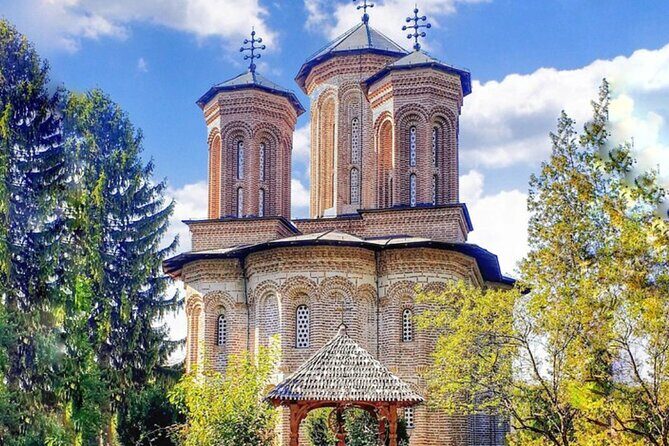
This tour works like a half-day “best-of” loop around Bucharest. You’ll ride in an air-conditioned private vehicle with an English/French/Italian speaking guide/driver, and you’ll have high-speed Wi‑Fi onboard for maps, messages, and quick planning.
Because it’s private, you’re not stuck waiting for strangers to finish photos or to argue about what matters. Past guests highlight that the guide can take extra time when you show interest in the points you care about—so it doesn’t feel like a checklist read-out.
You’ll also get little practical perks that add up on a warm or crowded day: bottled water at the start and a sweet treat. It’s the kind of detail that keeps you from hunting for snacks right when you’re on the move.
You can also read our reviews of more private tours in Bucharest

City quick passes: University Square, Arcul de Triumf, and Revolution Square
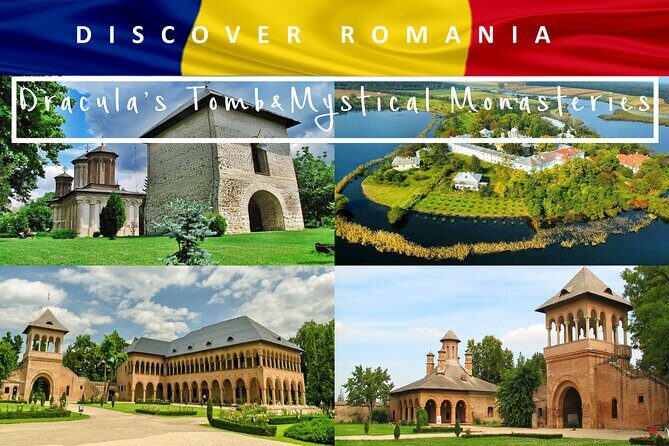
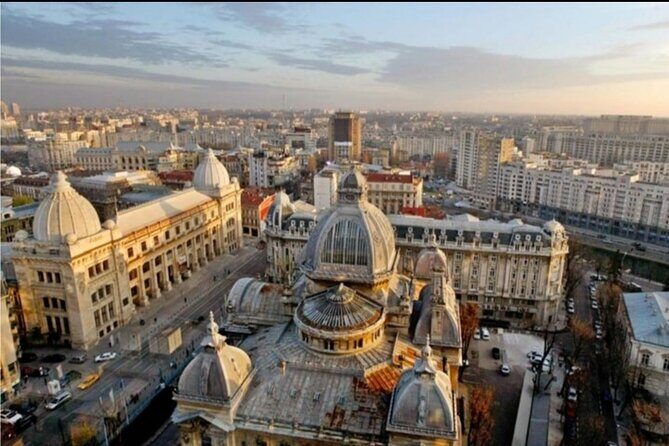
The day begins in Bucharest, with a short stop around University Square. You’ll pass the National Theatre area and the Revolution Martyr’s Memorial—small timing-wise, but useful if you want context for where Romania’s modern history “sits” in the city.
These quick passes aren’t about deep museum time. They’re about helping you orient yourself: you see landmark silhouettes and understand the geography before you head out toward the monasteries and lakes.
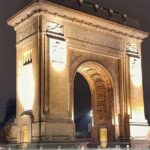
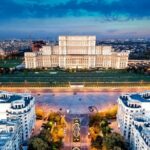
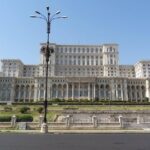
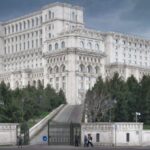
Later, you’ll also pass by Arcul de Triumf (a World War I monument) and Piaka Revolukiei (Revolution Square) and the Royal Palace area. Think of these as a visual preface to the older stories you’ll hear on the outskirts—monarchy, revolution, faith, and power moving through different eras.
Caldarusani Monastery: Orthodox architecture on the water (and a language connection)
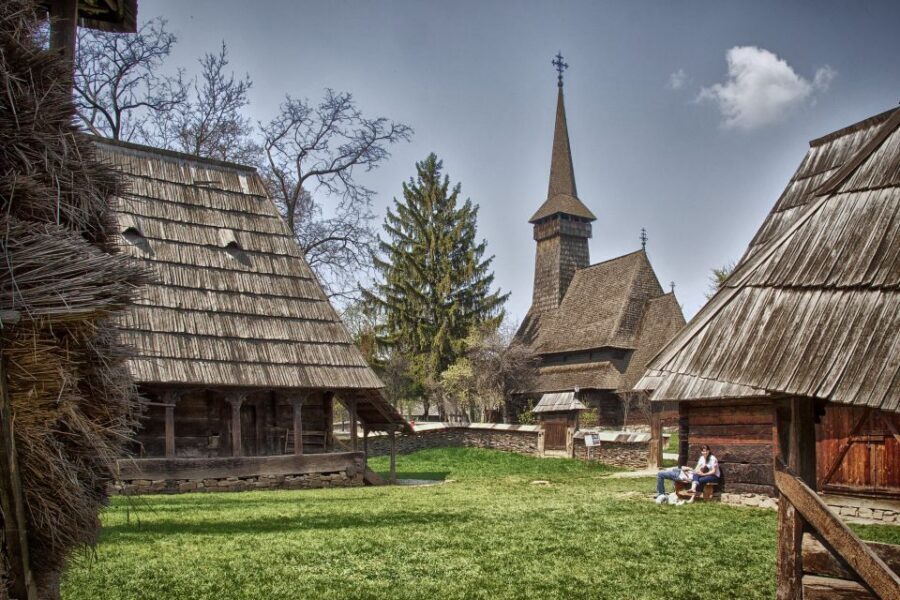
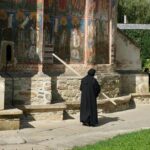
Caldarusani Monastery is one of the most satisfying “short walk + big story” stops on the route. The site is considered a key Orthodox monument built in 1638 by Matei Basarab, and the setting is distinctive: it sits on a small piece of land in Căldărușani Lake.
The place becomes more interesting when you learn how monasteries shaped daily culture, not just worship. Here, there was once a school of copyists. Over time, that writing work helped influence the development of the Romanian language—so when you look at the church, you’re not only seeing architecture. You’re seeing the backbone of how knowledge traveled for centuries.
There’s also a dramatic nearby connection to the Vlad Țepeș story. In the region known as Codrii Vlasiei (the Forests of Vlasia), Vlad Tepes was killed in a treacherous act by his boyars. Even if you’re not a Dracula superfan, this ties the later Snagov story into a larger historical pattern.
Practical note: this stop includes no admission ticket. That makes it a great place to slow down and take photos without feeling like every minute has a price tag.
Snagov Monastery and Dracula’s Tomb: the legend you can almost touch
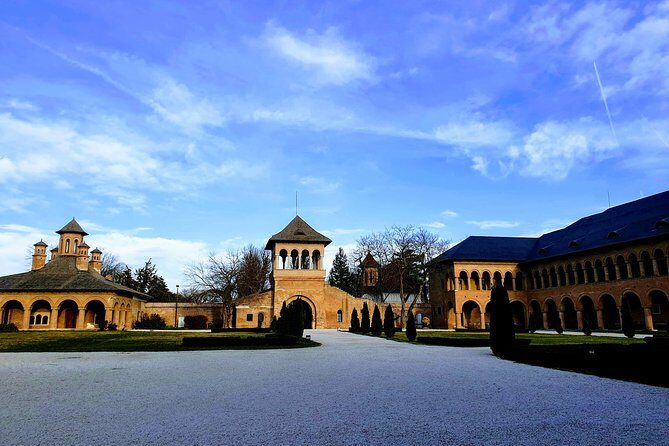
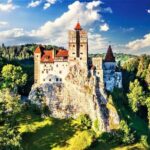
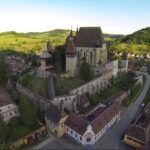
Snagov Monastery sits on a small island in the north part of Lake Snagov, so the visit has natural “wow” built in. The monastery dates to around 1408 and is described as Byzantine architecture with Romanian impressions, meaning you’ll likely notice a blend of styles rather than one uniform look.
Vlad Țepeș is part of the narrative here in a practical, physical way. During his reign, he added improvements including a fortified stone wall and the narrow bridge to the main land used by visitors today. That bridge matters because it turns the site into a “crossing moment”—a quiet reminder of why fortification mattered in the past.
One of the more original details in this whole route is the publishing angle. Antim Ivireanul, an important scholar, published the first Romanian books using Latin alphabet letters at this monastery. So when you hear the Dracula legend, you’re also seeing how faith and learning connected in the same place.
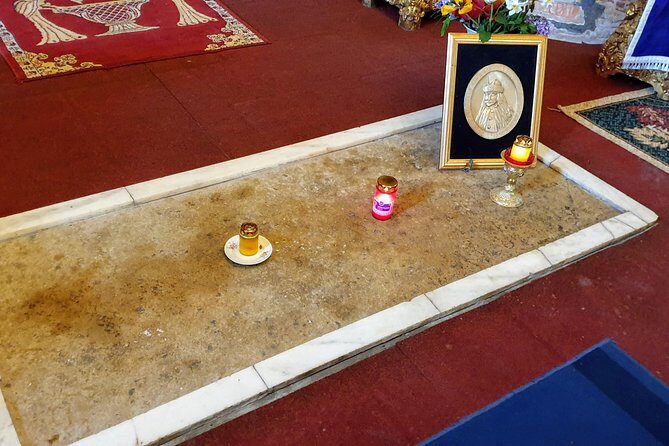
Now, about the tomb: some historians say that after Vlad’s assassination in the nearby Codrii Vlasiei battle, his body was brought to the monastery and buried in Orthodox tradition. Today, visitors can see a tomb funeral stone in front of the altar said to be Dracula’s daytime resting place.
Here’s the best way to enjoy this stop: treat it like a story you can test with your own eyes. Look around the island setting, notice the altar area, and let the legend and the setting work together. You get atmosphere without the need to be “convinced” of every claim.
Drawback to know up front: the admission ticket for Snagov Monastery is not included. You’ll want cash or card ready so you’re not stuck at the last step.
Mogosoaia Lake Palace: Brâncovenesc style and a tragic end
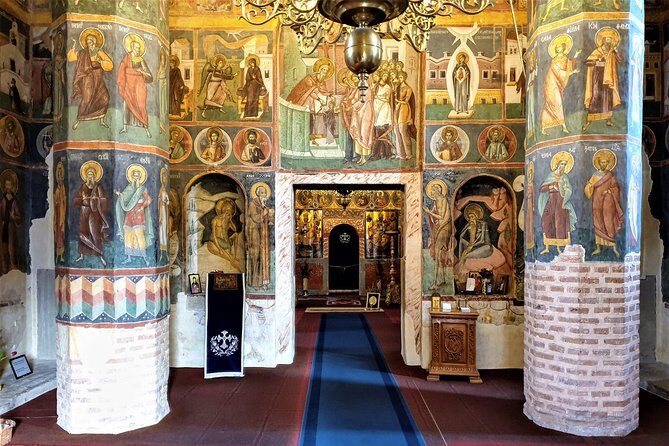
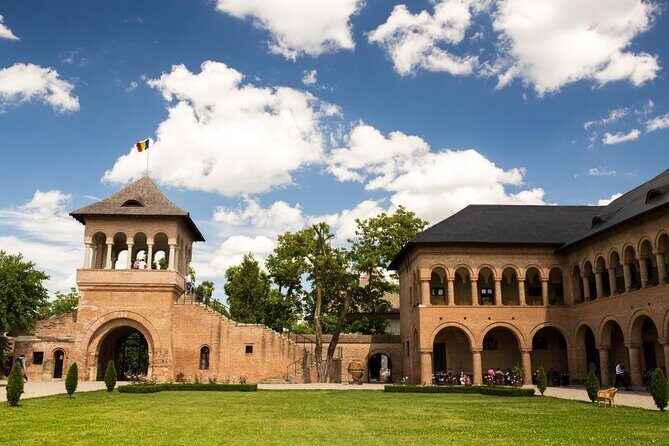
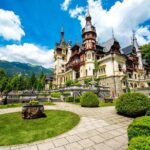
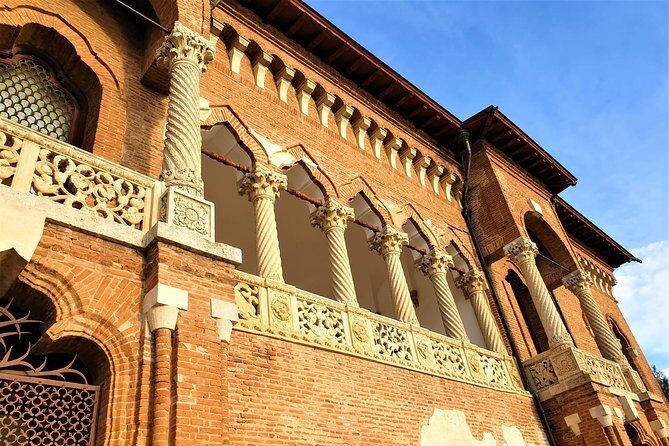
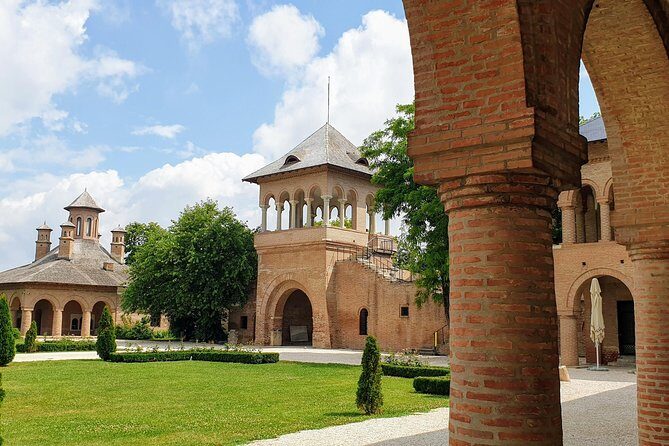
Mogosoaia Lake Palace adds a very different mood from the monasteries. The palace was built around 1702 by Constantin Brâncoveanu, and its architecture style is recognized as Brâncovenesc—a distinctly Romanian blend often associated with both elegance and identity.
It sits right on the banks of Lake Mogosoaia, and the grounds connect the palace to the outside world with gardens and surrounding woods. The result is a setting that feels more “courtly” than religious—less hush, more grandeur.
The story tied to the palace is also darker. You’ll hear about Brâncoveanu’s role in Romanian culture and history, and that his family was killed by the Ottomans after refusing to give up their Christian Orthodox faith. This matters because you’re not just admiring a building. You’re seeing how architecture carries the memory of power struggles.
Like Snagov, the interior experience requires a ticket that isn’t included. That’s the one thing you should mentally prepare for: your day includes both free and paid stops, so admissions vary by location.

How long it takes, and why timing feels relaxed
The tour runs about 4 to 5 hours. For many people, that’s the sweet spot in Bucharest: enough time to feel like you escaped the city, without losing your whole afternoon.
The pace can be flexible depending on the day. If weather is good and you’re enjoying photos or extra conversation, it may take longer. If it’s rainy or windy, you’ll probably keep moving to protect time and energy—especially when you’re traveling between lakes and central landmarks.
This is where the private guide format shines. A careful driver-guide can route the day so you aren’t constantly waiting, and you get enough time at each stop to understand what you’re seeing, not just rush past it.
What you’ll notice most: guides, photos, and small adjustments
The strongest pattern in guide performance here is clarity plus extra context. Guides on past departures—like Marius—have a reputation for sharing background beyond the basic facts and for helping guests get better photos. If you care about images, pay attention to what your guide suggests for angles and timing on site.
Marius has also been noted as a professional photographer, which can mean simple coaching on where to stand, how to frame frescoes or buildings, and when the light looks best. Even if you’re not a serious photographer, that kind of advice upgrades your results fast.
Another practical win: guides can be flexible with drop-off when hotel logistics shift. If your accommodation situation is messy, it helps to know the day is built around adjusting to real-world timing, not forcing you into one rigid plan.
And on hot days, those start-up comforts matter. Bottled water plus a sweet surprise isn’t a gimmick. It helps you stay focused when you’re bouncing between indoor and outdoor spaces.
Price and value: is $132.03 per person worth it?
At $132.03 per person, you’re paying for four main things: private transport, a guide/driver, hotel pickup, and a half-day itinerary that avoids public-transit stress.
The value becomes clear when you compare it to piecing this together on your own. Even if you can reach one lake monastery independently, stacking Căldărușani + Snagov + Mogosoaia in one day is where private transport earns its keep. You’re also getting guidance through architecture and legends, instead of only reading plaques with zero context.
Two cost items are worth factoring in: Snagov Monastery and Mogosoaia Lake Palace tickets are not included. Caldarusani is free, and the central city passes are free as well. So your final spend depends on the admissions you choose and what’s open that day.
Also remember group discounts apply. If you’re traveling with 2–4 people, this can become a smarter deal than you might expect, because the private vehicle cost doesn’t scale like a group bus ticket would.
Weather and site access: the one thing that can change your day
This experience requires good weather. If conditions are poor, it may be canceled or changed, with an option to select a different date or receive a full refund.
Even when the day runs, holiday periods can affect what’s open inside. On some seasonal dates, certain interiors may close for preparations. It’s not a dealbreaker, but it’s a reason to avoid booking this as your one-and-only plan. If your schedule allows, give yourself a backup day.
My practical advice: bring a light layer, wear shoes that handle uneven ground (especially with lake access), and keep your expectations flexible. The outdoor setting and architecture still work even if interiors are limited.
Who this tour is best for
This tour fits best if you want a focused, story-driven half-day rather than a long museum slog.
You’ll enjoy it most if:
- You like history with visuals: monasteries, tomb legend, and palace architecture.
- You’re curious about Vlad Țepeș in a way that connects geography to the story.
- You want a private day without long planning headaches.
- You appreciate a guide who shares background and helps with practical photo opportunities.
It might be less ideal if you’re after deep museum time, since this is timed to multiple stops and not built as a long stop-and-study experience.
Should you book Mystical Monasteries, Dracula’s Tomb and Mogosoaia Lake Palace?
I’d book it if you want three famous “near Bucharest” highlights in one calm day. The private pickup, short travel windows, and guide-led context make it feel efficient without feeling rushed.
Before you commit, check two things: plan for paid tickets at Snagov and Mogosoaia, and be ready for possible interior closures during holidays or seasonal preparations. If you can accept that, you’ll likely walk away with a day that mixes atmosphere, architecture, and Dracula legend in a way that’s easy to enjoy.
If you’re the type who likes getting the story and the photos, this one is a strong match—especially with a guide like Marius or Toni leading the day.
FAQ
How long is the tour?
It runs about 4 to 5 hours (approximately).
Is hotel pickup included?
Yes. Pickup is offered from centrally located hotels or other accommodations.
Is this tour private?
Yes. It’s a private tour/activity, with only your group participating.
What languages are available for the guide/driver?
The guide/driver speaks English, with options including French and Italian.
Are tickets included for all stops?
No. Tickets for Snagov Monastery and Mogosoaia Lake Palace are not included. Admission for Caldarusani Monastery is free, and the city pass-by stops have free admission ticket status.
What’s included in the vehicle?
You get a private, air-conditioned spacious vehicle, plus high-speed Wi‑Fi on board.
What refreshments are provided?
Bottled water is provided at the start of the tour, along with a sweet surprise.
Which sites are included in the route?
You’ll pass University Square (including the National Theatre and Revolution Martyr’s Memorial), visit Caldarusani Monastery, visit Snagov Monastery (with Dracula’s Tomb connection), visit Mogosoaia Lake Palace, and pass by Arcul de Triumf and Revolution Square/Royal Palace.
Does the tour run in any weather?
It requires good weather. If canceled due to poor weather, you’ll be offered a different date or a full refund.
What if I cancel close to the start time?
You can cancel for free up to 24 hours in advance for a full refund. If you cancel less than 24 hours before, the amount paid is not refunded.