REVIEW · BUCHAREST
Life under Communism
Book on Viator →Operated by Guided Stories · Bookable on Viator
Bucharest turns history into street-level reality. In Life under Communism, you follow how Romania’s communist era rose and crashed, with real stops that explain how rule shaped buildings and daily life. I especially like the way the guide keeps the story human, not just political, and I like the clear pacing of short, focused visits. One drawback: the Palace of Parliament is a big visual stop, but its ticket is not included, so you’ll want a little extra cash or payment plan ready.
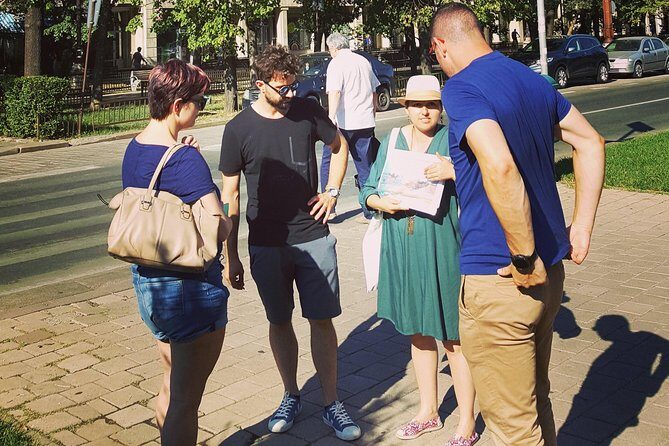
A lot of credit goes to the guide style. Guides like Cristina (and sometimes Stefan) are known for clear English and for adjusting to the group pace, including making it easier to sit or lean when needed. With a maximum of 20 people, you don’t feel swallowed by a crowd.
Expect a walk that’s short on time and strong on meaning. You’ll start near Aleea Dealul Mitropoliei 19 and end at Piața Revoluției, right in the thick of the 1989 story. If it rains, you’re still out there, so pack accordingly.
In This Review
- Key highlights you’ll feel on the walk
- A 3-hour walk through Bucharest’s communist era
- Your guide makes the story personal: Cristina and Stefan
- From Patriarh Cathedral to Revolution Square: the route that matters
- Stop 1: Catedrala Patriarhala and the violent start you can’t ignore
- Stop 2: Palace of Parliament and the scale of Ceaușescu’s power
- Stop 3: Manastirea Antim and what communism did to religion
- Stop 4: Old Town and Caru’ cu bere’s foreign-policy role
- Stop 5: Piața Revoluției and the violent collapse in 1989
- Price and value: what’s included, what costs extra
- Comfort, timing, and how to handle rain and walking
- Should you book this Ceaușescu-era tour?
- FAQ
- FAQ
- How long is the Life under Communism tour in Bucharest?
- What is the price per person?
- Is the tour in English?
- How many people are in the group?
- Where do I start and where does it end?
- Is admission included for the Palace of Parliament?
- Are food and drinks included?
- Is hotel pickup and drop-off included?
- Does the tour run in bad weather?
- Can I cancel for a full refund?
Key highlights you’ll feel on the walk
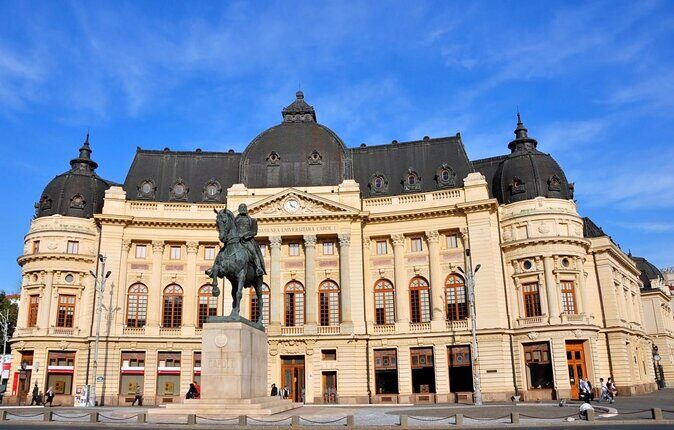
- Ceaușescu’s rise and fall mapped onto real Bucharest landmarks
- A practical, stop-by-stop route with short visits that don’t drag
- Daily-life stories, not just dates and slogans
- Religion under pressure, shown through a medieval monastery visit
- Caru’ cu bere and foreign-policy context inside the Old Town atmosphere
- Revolution Square as a closing anchor for the 1989 collapse
A 3-hour walk through Bucharest’s communist era
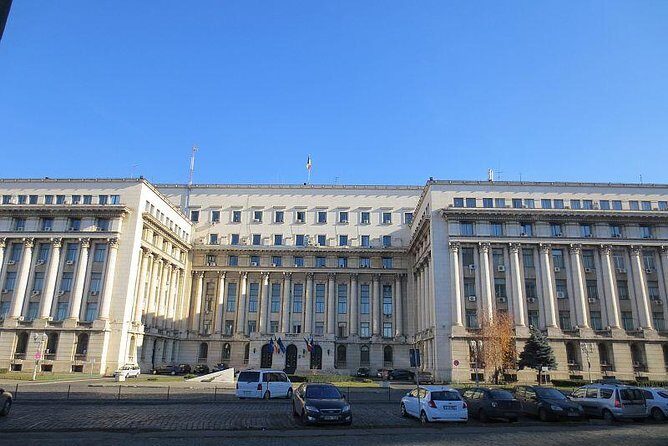
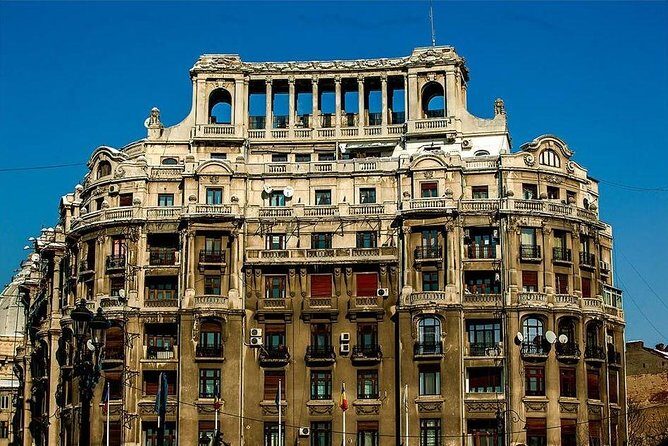
This is the kind of tour that helps your brain stop treating communism as an abstract chapter. You walk through Bucharest and the regime becomes visible: in architectural decisions, in public spaces, and in what was allowed to exist—or not.
It also keeps things readable. The route is built from quick stops, so you’re constantly shifting from one angle of the era to another. That’s a real win if you want context, but you don’t want to spend half a day in museum mode.
Best of all, this tour doesn’t treat history like a sports rivalry. The approach is factual and balanced, with room for the costs and the effects on real people, not just the good-guy or bad-guy version.
You can also read our reviews of more tours and experiences in Bucharest.
Your guide makes the story personal: Cristina and Stefan
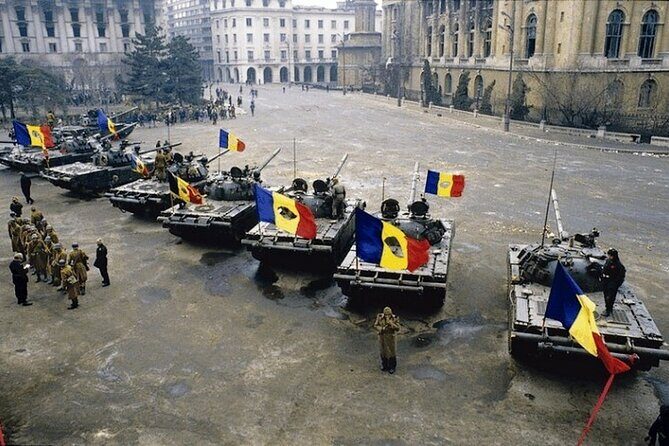
Guides matter a lot on political tours. Here, the best part isn’t only what you learn—it’s how it’s explained.
Cristina is repeatedly praised for clarity in English and for being flexible in the moment. One review notes she stopped the tour where someone could sit or lean, which tells you something important: the guide isn’t just reading a script and moving on. Stefan also shows up as a guide for some departures, and the emphasis stays on answering questions with context, not hand-waving.
You’ll likely notice the style is conversational. Even when you’re talking about heavy stuff, the guide ties it back to what people experienced day to day—fear, control, shortages, and the odd mix of public life and private survival.
If you come with questions, you’ll probably leave with a lot of answers. That’s one reason people rate this tour so highly.
From Patriarh Cathedral to Revolution Square: the route that matters
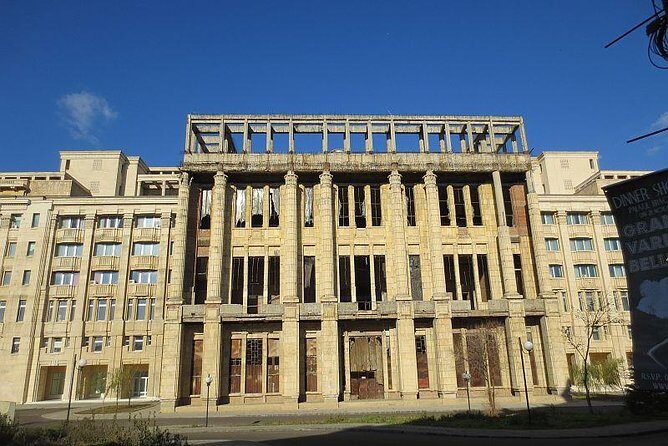
This tour is built around a simple idea: the communist era didn’t just happen in government buildings. It showed up in churches, in everyday commerce, in city planning, and in the places where power fell.
You’ll cover five major stops, each giving you a different “layer” of the story. Some visits are free, so you keep momentum. One major landmark—the Palace of Parliament—has an entry cost that you’ll need to plan for.
The total time is about three hours, and the group is capped at 20, so you’re not stuck waiting behind a wall of people.
Stop 1: Catedrala Patriarhala and the violent start you can’t ignore
You begin at Catedrala Patriarhala, where the tour frames the early, violent turn of the communist period. Even though the stop itself is short, the point is big: this era doesn’t start neatly. It starts with force, intimidation, and the reshaping of institutions.
Look around and you’ll see how church space stands as a counterpoint to state control. The guide’s job here is to help you connect what you see with what was happening politically at the time—without reducing everything to one slogan.
Stop 2: Palace of Parliament and the scale of Ceaușescu’s power
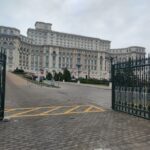
Next comes Palace of Parliament, the headline stop. The building is famous for being the world’s second largest administrative structure. That scale is the message: power made physical.
Admission is not included, so budget for that. The tour time at this stop is about 15 minutes, which means you’ll get enough to understand why the building matters, but you won’t spend all day inside.
Still, this is one of those places where a short visit feels like a strong punch. You get the sense of how massive construction projects can become propaganda, and how they can swallow ordinary lives and city priorities.
Stop 3: Manastirea Antim and what communism did to religion
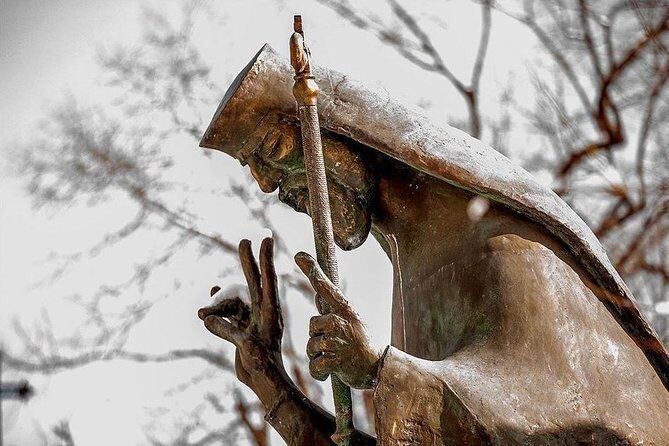
After the palace, you switch gears to Manastirea Antim, a picturesque medieval monastery. This stop is free and about 10 minutes, but it serves a key function: showing how the regime treated religion.
Even if you’re not a religious traveler, this is where the story turns more personal. You’ll connect the political pressure with something tangible—how religious life was constrained, monitored, or forced to adapt.
A monastery in the middle of communist-era urban reality is a useful contrast. It makes it easier to understand why control over culture and belief was never just “policy.” It was power.
Stop 4: Old Town and Caru’ cu bere’s foreign-policy role
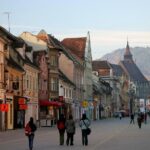
Then you move into Bucharest’s Old Town with a stop linked to Caru’ cu bere, famous for its atmosphere and its historical role. Here, the tour focuses on how public-facing spaces could relate to foreign policy under communism.
This is a smart inclusion because it reminds you that regimes don’t only build prisons and monuments. They also manage impressions. Restaurants, public life, and high-visibility institutions can become tools for projecting stability or friendliness to outsiders.
You’ll likely also hear practical stories that make everyday life feel less like a textbook. If the guide points out smaller details along the route, take that seriously—some of the route moments are the ones that make the era stick in your memory.
Stop 5: Piața Revoluției and the violent collapse in 1989
You end at Piața Revoluției—Revolution Square. This is the emotional closing chapter, tied to the violent end of the communist era in 1989 and the downfall of Ceaușescu.
Time here is about 15 minutes, but it’s not a casual stroll. The guide’s job is to connect events to place: why this square matters, how the tension built, and how the collapse showed up in real streets.
Some people also mention seeing visible evidence of conflict on buildings along the way, like bullet holes. Even if you don’t catch every detail, the atmosphere of Revolution Square makes the story feel immediate.
Price and value: what’s included, what costs extra
The price is $42.33 per person, and the tour lasts about three hours. For that, you get a professional guide and a mobile ticket (so you don’t need printed vouchers).
The big value point is how tightly the story is packaged: you’re paying for guided interpretation of multiple landmark types—government scale, religious pressure, and the public face of the regime—in a short time window.
The main extra cost to watch is Palace of Parliament entry, which is explicitly not included. If you’re budget-tight, this is your one “watch item.” If you plan for it early, the rest of the route stays refreshingly straightforward, with several stops having free admission.
Comfort, timing, and how to handle rain and walking
This tour works in all weather, which is great—until it rains, which it might. Dress for the day you get. If the pavement is slick, wear shoes that don’t punish you for standing still while someone explains history.
It’s a walking format with multiple short stops. Reviews also highlight that good walking shoes are part of making it enjoyable. You’re not marching for hours, but you do want comfort on your feet.
Group size is capped at 20, and the guide is generally flexible with pace. That matters if you have mobility needs or hearing needs, because a good guide can adjust where the group pauses and how information is delivered.
If you have accessibility concerns, it’s worth knowing that the guide has been praised for accommodating people who need to sit or lean during stops. It’s a good sign you won’t be ignored if you need a small adjustment.
Should you book this Ceaușescu-era tour?
Book it if you want more than facts. You want the way history felt—and the way it changed daily life. This tour is built for travelers who like context tied to real locations, and who appreciate when a guide makes heavy topics understandable without turning them into a lecture.
Skip it (or at least think hard) if you’re the type who needs fully ticketed major attractions included in the price. Since the Palace of Parliament admission is not included, you’ll want to plan for that cost.
Also, if you’re coming for only one monument and nothing else, three hours might feel short. If you want the full thread—from religious pressure to 1989’s ending—this is a strong length.
If you book, do one simple thing: bring comfortable shoes and plan your budget for the Palace ticket. Then show up ready to ask questions. This is the kind of tour where curiosity pays off.
FAQ
FAQ
How long is the Life under Communism tour in Bucharest?
The tour lasts about 3 hours.
What is the price per person?
The price is $42.33 per person.
Is the tour in English?
Yes, it’s offered in English.
How many people are in the group?
The tour has a maximum of 20 travelers.
Where do I start and where does it end?
It starts at Aleea Dealul Mitropoliei 19, București 030167, Romania, and it ends at Revolution Square, Piața Revoluției, București.
Is admission included for the Palace of Parliament?
No. Admission Ticket for the Palace of Parliament is not included.
Are food and drinks included?
Food and drinks are not included unless specified.
Is hotel pickup and drop-off included?
No, hotel pickup and drop-off are not included.
Does the tour run in bad weather?
It operates in all weather conditions, and you should dress appropriately. If it’s canceled due to poor weather, you’ll be offered a different date or a full refund.
Can I cancel for a full refund?
Yes. You can cancel up to 24 hours in advance for a full refund. If you cancel less than 24 hours before, you won’t receive a refund.