REVIEW · BUCHAREST
Exploring a Former Communist Prison
Book on Viator →Operated by Local Hosts · Bookable on Viator
Bucharest has a prison story you can’t ignore. This day trip threads together modern Romania’s biggest shock points, from Piața Revoluției to the former communist camp at Fort 13 Jilava, with a guide who gives you the street-level meaning behind the buildings. I love how the tour starts with political context you can actually picture in the city, and I like the small-group feel that makes questions easy. One thing to plan for: the prison memorial has strict rules—no mobile phone inside, and photos are limited to a camera.
You’ll ride in an air-conditioned vehicle through places most visitors only pass in dreams. The pace is built around a mix of quick stops and one serious 2-hour visit, plus snacks and drinks to keep your energy up. Price-wise, it’s not a cheap “walk and look” tour, but you are paying for transport, guide time, admission where noted, and the rare access to a former communist prison site inside an active prison complex.
In This Review
- Key things I think you’ll care about
- Fort 13 Jilava: the day’s real reason to come
- Piața Revoluției and the Palace of Parliament: get the city story before the prison
- Ferentari and Bucharest’s Bronx: where the city feels real
- Carol Park and the communist-era mausoleum break
- Inside Jilava Fort 13: what the rules mean for your experience
- Price and value: why $173.47 can make sense here
- Timing, small-group logistics, and practical tips that actually help
- Who this tour suits (and who might want a different plan)
- Should you book this communist prison experience?
- FAQ
- What’s the duration of the tour?
- Where does the tour start and where do you end?
- What time does it start?
- How many people are in the group?
- What’s included in the price?
- Is the Palace of Parliament included?
- Are mobile phones allowed during the prison visit?
- Are photos allowed at Fort 13 Jilava?
- What if the weather is bad?
Key things I think you’ll care about
- Small group (max 8) means you get time to ask real questions without getting rushed
- Fort 13 Jilava access is the main event, and it’s timeboxed (about 2 hours)
- No phones inside the prison forces you to slow down and pay attention
- Car ride through Ferentari/Bucharest’s Bronx gives context beyond the usual center-city highlights
- Snacks and included drinks help you handle a heavy topic without the day collapsing
- A guided tour tied to Dec 1989 context through your host’s personal perspective adds weight
Fort 13 Jilava: the day’s real reason to come
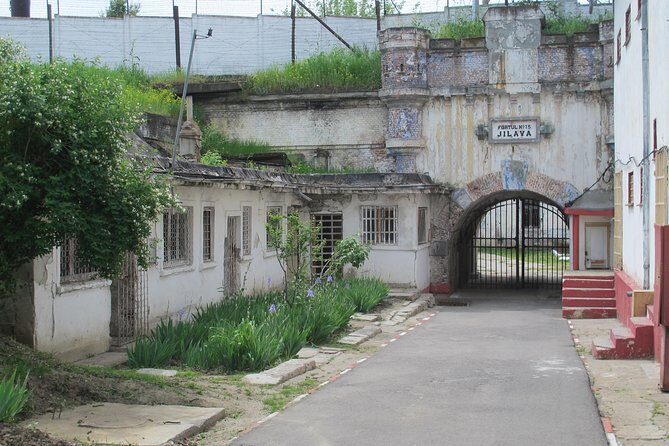
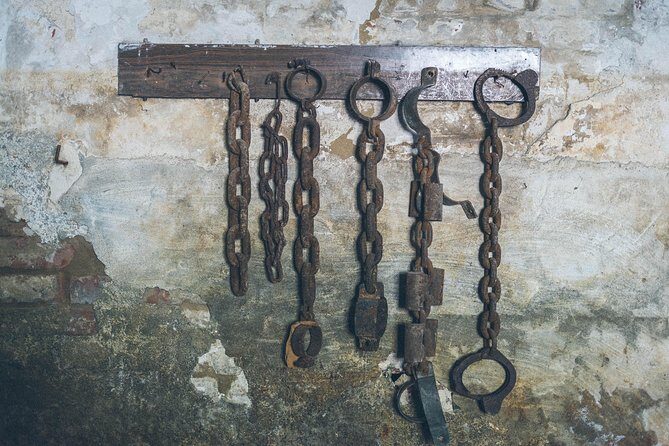
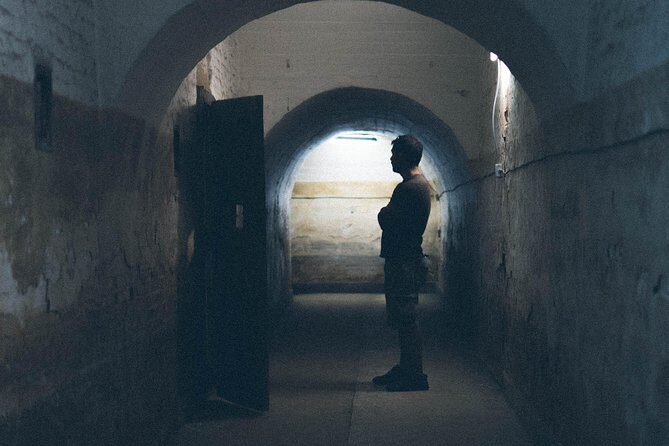
The headline here is Fort 13 Jilava, a former 19th-century military fort that later became a communist detention and execution camp. That mix matters. You’re not just looking at an abstract “dark chapter.” You’re walking through a structure that was built for war, then repurposed to crush people.
And because the site is now a memorial within Bucharest’s largest prison, it doesn’t feel like a museum that’s been drained of consequence. The scale and the function land differently when you understand it as part of an existing prison system, not a set piece removed from reality.
This is the kind of stop where your attitude changes mid-visit. At the start, you’re thinking history facts. Later, you’re thinking about how people survived, what that did to families, and why Romania remembers this so intensely.
You should also be ready for a guided experience that likely pushes you to connect the dots: how political power turned everyday routines into fear, and how that fear shaped the city’s neighborhoods and institutions. If you like your history with street-level relevance, this works.
You can also read our reviews of more tours and experiences in Bucharest.
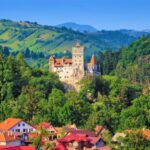
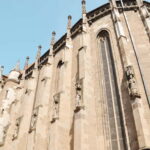
Piața Revoluției and the Palace of Parliament: get the city story before the prison
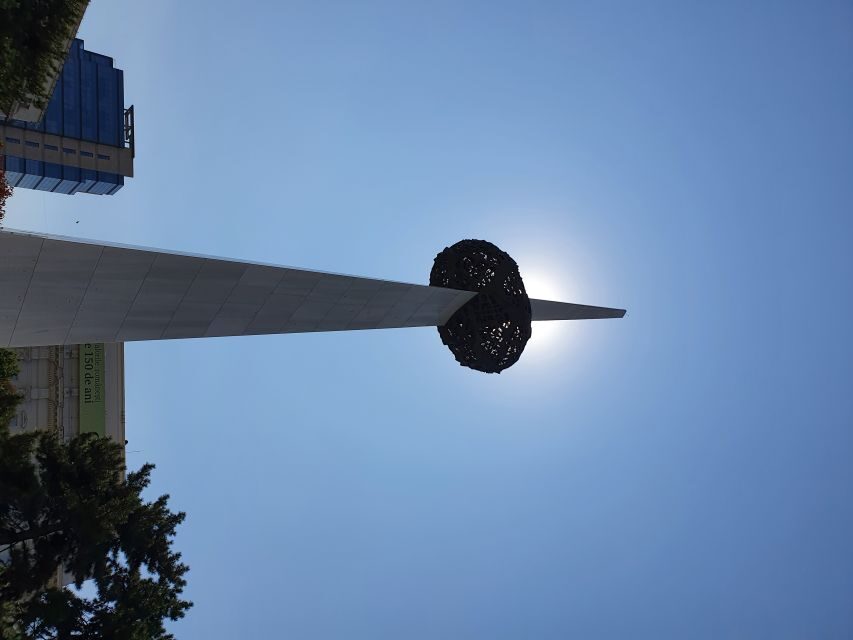
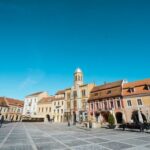
The day starts at Memorial of Rebirth on Piața Revoluției, and that’s a smart move. Revolution Square isn’t just a landmark. It’s where Romania’s modern political rupture becomes visible in stone, spacing, and symbolic placement.
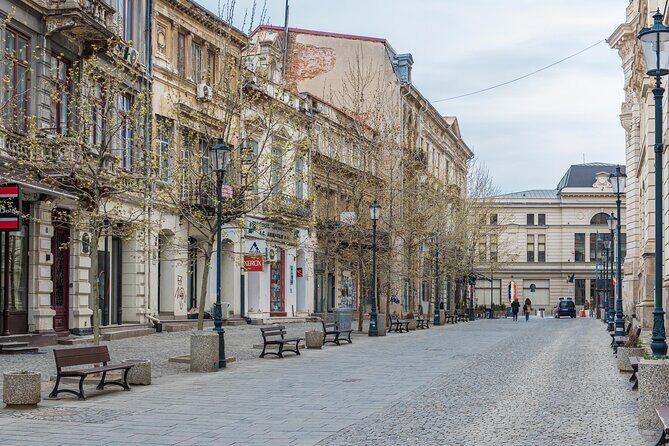
From there, your host drives through key parts of Bucharest, including older historical areas and the communist-era neighborhoods that followed in later decades. You’re meant to learn how the city’s fortification system came to exist and how Bucharest developed across the past 500 years, so the communist period doesn’t feel like it appeared from nowhere.
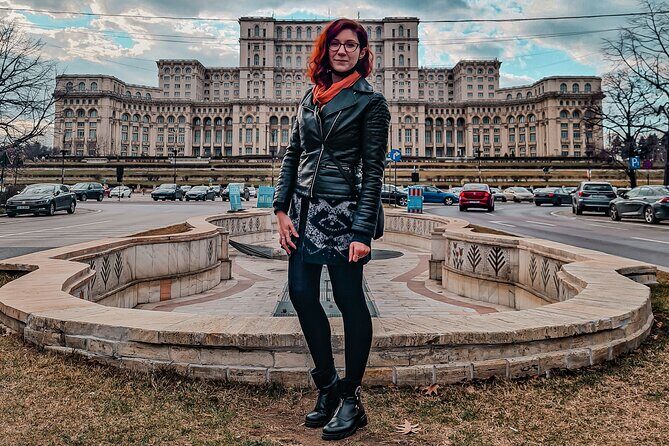
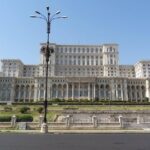
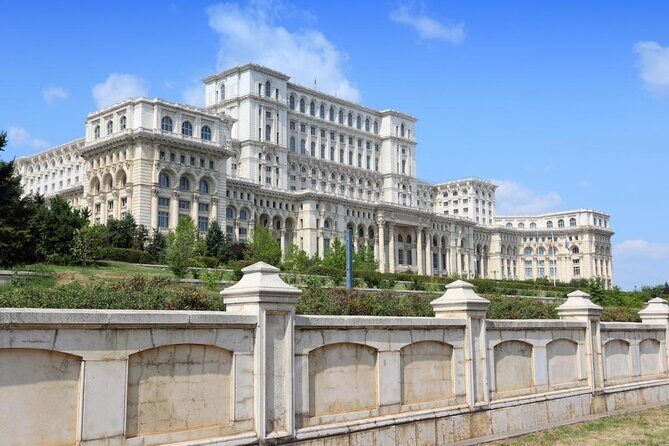
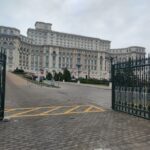
Then there’s a quick stop at the Palace of Parliament. You circle the building and learn its darker stories, plus what it means for the local community today. Even if your goal is photos, don’t treat it like a postcard. The tour frames the structure as a political statement, not just an architectural one.
Practical note: this stop is short (about 20 minutes), and the Palace interior isn’t part of the experience here. Also, Palace admission isn’t included, so if you were hoping for a full inside visit, you may want to plan a separate time.
Ferentari and Bucharest’s Bronx: where the city feels real
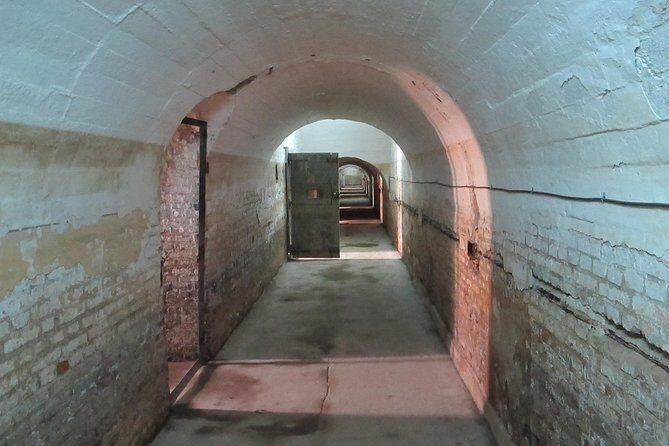
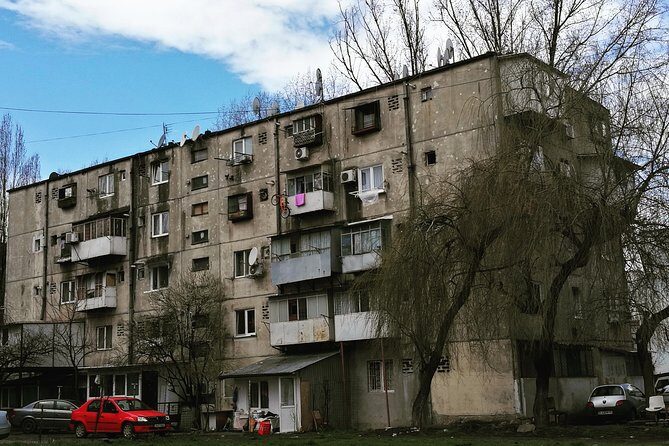
One of my favorite parts of this itinerary is the deliberate move away from the tourist path. You’ll drive through what’s often described as the Bronx of Bucharest, including Ferentari, where the city’s social reality is harder to ignore.
This is where you get out of the sanitized picture you can get just by sticking to central boulevards. The tour frames Ferentari as a lived-in zone shaped by decades of inequality and political pressure. Even during the short time spent here, the point comes through: communism didn’t just reshape governments. It shaped housing, streets, and who got left behind.
There’s also a stop connected to an old military fort inside an active prison area, discussed as a communist-era extermination camp for those who resisted the regime. Depending on how your guide times it, you may experience this moment more like a contextual glimpse, then save the full visit for Fort 13 Jilava proper.
What I like about this setup is that it prevents the day from becoming two disconnected parts: a “history tour” followed by a “prison visit.” Instead, you’re building the meaning while you’re still in transit, so the big stop hits with more clarity.
Carol Park and the communist-era mausoleum break
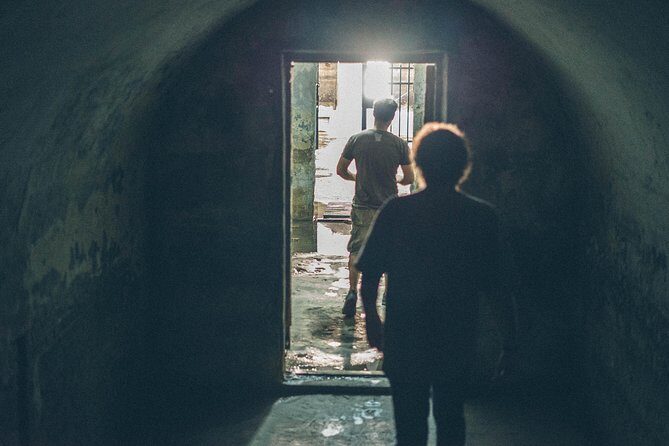
A lighter pause comes at Carol Park, where you’ll see a local communist leaders mausoleum inside one of Bucharest’s emblematic parks. It’s a quick moment, but it’s an important one. You’re looking at how ideology gets preserved in public space, not only in archives.
The tour also builds in time for a traditional communist meal. Even if you’re not ordering for taste alone, it helps the day stay human. Politics was lived through food, routines, and institutions, not just speeches and uniforms.
Timing here is about 30 minutes, so it’s not a long sit-down restaurant experience. Think of it as a structured break in the middle of a heavy day, with enough time to eat and regroup before Fort 13 Jilava.
Inside Jilava Fort 13: what the rules mean for your experience
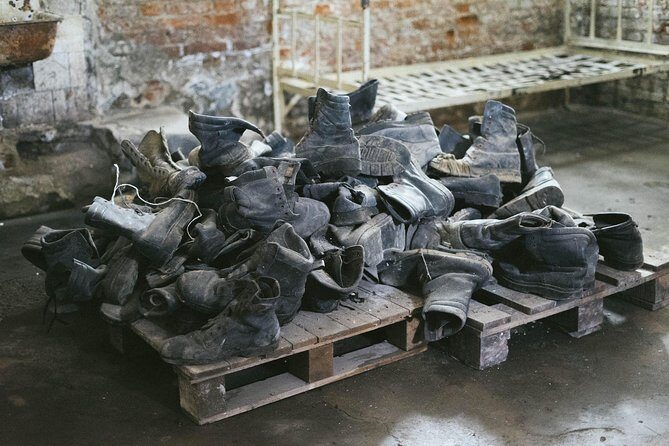
This is the main event: 2 hours at Jilava Fort 13, with exclusive access as a former communist prison turned memorial within the larger prison complex.
Here’s what you need to take seriously before you go in:
- Mobile phones are not allowed inside the prison.
- Photos are allowed only with a camera. (So bring a camera if you want photos. Your phone won’t cut it.)
Those rules aren’t there to inconvenience you. They change the atmosphere. When you can’t record everything in seconds, you notice details you’d otherwise miss. You also give your guide room to keep you focused on what matters rather than on screens.
As you walk through, keep an eye on how the tour connects the fort’s earlier military purpose to its later use under the communist detention system. The transition is the story. It’s the same physical structure taking on a new function, and that’s where the discomfort lives.
Also, expect the tone to be serious. This isn’t framed as entertainment. If you’re sensitive to human-rights topics, prepare yourself for emotional moments and give your brain time to process.
Price and value: why $173.47 can make sense here
At $173.47 per person, this isn’t a bargain-basement walking tour. But the value checks out if you consider what’s included.
You get:
- an air-conditioned vehicle for the driving segments
- snacks plus bottled water
- coffee/tea
- an included beer (400 ml) or equivalent
- admission included for the major prison-related visit and the stops that list it as included
- a guide with enough background to connect Revolution Square, communist neighborhoods, and Fort 13 into one coherent story
- small-group limits (max 8), which usually cost more than big-group tours simply because staff time is more expensive per head
The big differentiator is the prison access. A lot of Bucharest tours offer photos outside iconic buildings. This one is built around a former communist detention and execution camp memorial, with rules that show the site still matters.
So I’d frame the price like this: you’re paying less for “transport and a driver,” and more for time with a guide and a rare on-site access moment.
If your budget is tight, you might compare it to doing just the center highlights like Revolution Square and Parliament on your own. But you’d lose the structured context and the Fort 13 memorial visit that makes this day different.
Timing, small-group logistics, and practical tips that actually help
This runs about 6 hours and starts at 9:30 am from Memorial of Rebirth on Piața Revoluției. You end back at the same meeting point.
A group capped at 8 changes how the day feels. You can usually hear better, and your guide can pace questions based on the group, not just the clock.
You’ll be in the car for multiple segments, so you’ll likely feel comfortable even when Bucharest weather shifts. That said, the experience depends on good weather, so it helps to bring a light layer and be realistic that plans can adjust.
Bring practical items:
- A camera if you want photos inside the prison memorial area
- A water bottle habit mindset, since there are provided bottles but it’s still a full-day context shift
- Something comfortable for walking, especially around memorial and city stops
- A small stomach for the heavy topics. Yes, you’ll have snacks and a meal break, but emotionally your body will still notice
Also, confirmation is stated to come within 48 hours of booking, depending on availability. In practice, that means you don’t have to book months ahead like a theater premiere, but it’s still smart to secure your date if you can.
Who this tour suits (and who might want a different plan)
This tour fits best if you fall into one of these camps:
- You like history that connects to real neighborhoods and real buildings.
- You want a small-group experience rather than a rushed busload day.
- You’re curious about Romania after WWII, and how communist power worked on everyday life.
- You want one major “anchor” experience, Fort 13 Jilava, handled with structure and seriousness.
It may not be ideal if:
- You want only light sightseeing and fast photos. The prison memorial will weigh on you.
- You rely on your phone for everything and aren’t comfortable with a no-phone zone for a portion of the day.
- You want a long, unbroken restaurant meal or lots of time inside the Palace of Parliament (that’s a quick stop here, and Palace admission isn’t included).
Should you book this communist prison experience?
I think you should book it if Fort 13 Jilava is on your Romania checklist and you want the story tied to Bucharest’s geography, not just facts in a brochure. The small-group size, the guide’s perspective, and the on-site rules that force focus make this day more memorable than a standard “see the sights” route.
If you’re okay with a serious topic, follow the photo/phone restrictions, and want context you can feel in the city streets, this is a strong pick. If you’re looking for easy, cheerful sightseeing only, you may feel the heaviness more than you want to.
FAQ
What’s the duration of the tour?
The experience runs for about 6 hours.
Where does the tour start and where do you end?
It starts at Memorial of Rebirth, Piața Revoluției, București and ends back at the same meeting point.
What time does it start?
The start time is 9:30 am.
How many people are in the group?
The tour has a maximum of 8 travelers.
What’s included in the price?
Snacks, bottled water (500 ml), coffee and/or tea, a beer (400 ml) or equivalent, and an air-conditioned vehicle are included. Admission is included for the stops that list admission as included.
Is the Palace of Parliament included?
No. The Palace of Parliament stop is a quick circle, but admission to the Palace is not included.
Are mobile phones allowed during the prison visit?
No. Mobile phones are not allowed inside the prison memorial.
Are photos allowed at Fort 13 Jilava?
Photos are allowed only with a camera.
What if the weather is bad?
The experience requires good weather. If canceled due to poor weather, you’ll be offered a different date or a full refund.