REVIEW · BUCHAREST
Darkside Tour of Bucharest – small group
Book on Viator →Operated by Interesting Times Bureau · Bookable on Viator
Bucharest has a scary side, and it matters. This 3-hour small-group tour traces the city’s darkest eras, from older graveyard secrets to the Revolution of 1989, with an English guide connecting each stop to the people who lived through it.
I love the feeling of walking with stories that don’t show up on the usual highlights route. And I really like how the tour spotlights Bellu Cemetery, mixing love stories, distinctive architecture, and a few unresolved mysteries into one unforgettable stop. One possible drawback: it’s an emotionally heavy theme, and it isn’t recommended for children 15 and under.
In This Review
- Key highlights worth your time
- Bellu Cemetery: tombstones, love stories, and the city’s first modern graveyard
- From University Square to Revolution Square: protests, gulag memories, and 1989
- Calea Victoriei: scandalous early-1900s Bucharest before Communist power
- How the small group, English guide, and subway rides shape the day
- Price and what you actually get for about $48.39
- Should you book this Darkside Tour of Bucharest?
- FAQ
- How long is the Darkside Tour of Bucharest?
- How much does the tour cost?
- What size is the group?
- Is the tour offered in English?
- Is admission paid for the stops?
- What is included in the tour price?
- Where does the tour start and end?
- Is hotel pickup and drop-off included?
- Is there free cancellation?
Key highlights worth your time
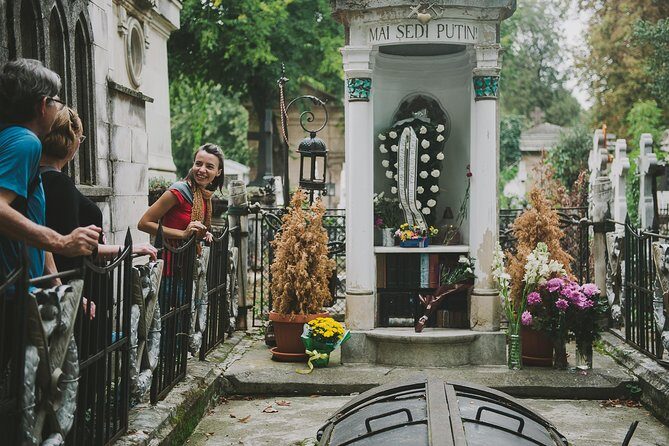
- Bellu Cemetery on foot: a full 1 hour among tombs, love stories, unique monuments, and eerie local lore
- 1989 brought to street level: University Square sets up the protests that shaped modern Romania
- A scandal you can walk: Calea Victoriei links early 1900s life to what came before the Communist era
- Revolution Square hits hard: an emotional finish tied to Ceaușescu, the Securitatea, and Dec 22, 1989
- Small group size: max 12 people keeps questions and answers from getting rushed
Bellu Cemetery: tombstones, love stories, and the city’s first modern graveyard
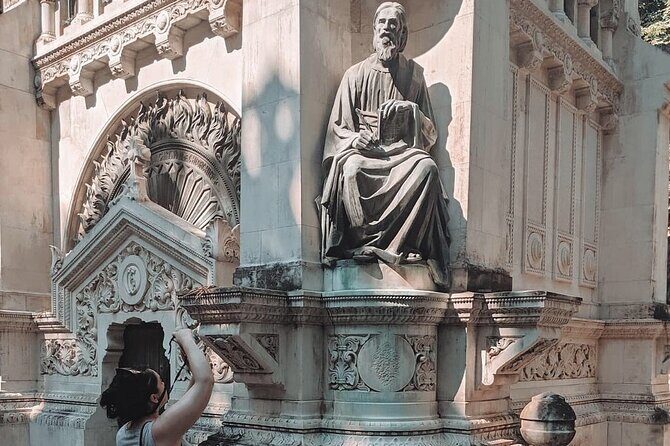
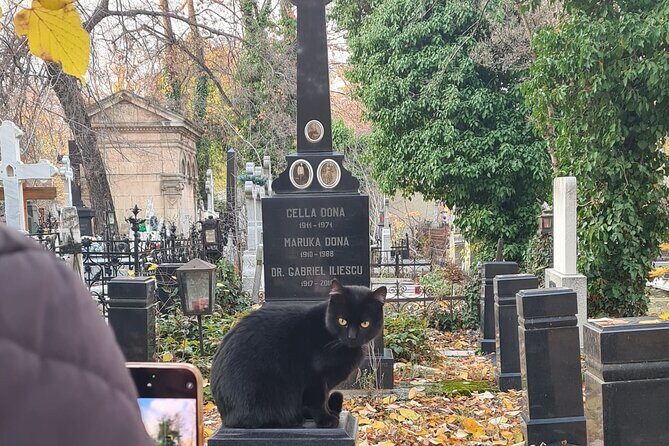
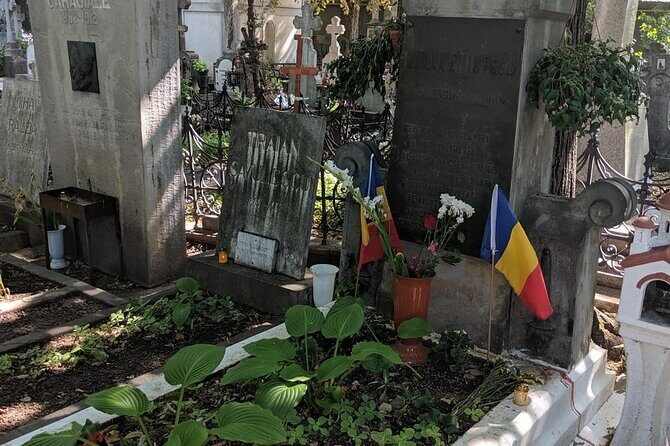
Bellu Cemetery (Cimitirul Șerban Vodă-Bellu) is the tour anchor, and it earns the spotlight. You spend about an hour walking the grounds, learning how this was the first modern graveyard in Bucharest and why its monuments feel so personal.
What makes this stop work is the mix of tones. You hear love stories and architectural details, then you also get sinister historical framing that makes the cemetery feel like a living archive instead of just a place to pass through.
Practical tip: wear comfortable shoes. Cemetery paths can be uneven, and you’ll be on foot long enough to notice if your footwear is wrong. Also, treat the place respectfully—this is still a graveyard, even when the guide brings the stories to life.
You can also read our reviews of more tours and experiences in Bucharest.

From University Square to Revolution Square: protests, gulag memories, and 1989
After Bellu, the tour pivots from the past decade to the past century’s pressure points. University Square is a short stop (about 20 minutes), but it’s packed with context about where major protests started. You learn about victims of the Revolution of 1989, people who believed in an occidental future, and even later struggles tied to miners in the 1990s and an anticorruption fight that began here.
This is one of the tour’s strengths: it doesn’t treat 1989 like a single movie scene. It frames the Revolution as part of a longer chain of resistance and consequence, which makes the rest of the stops land with more meaning. If you only learn one thing about modern Romania during your time in Bucharest, you’ll want it to be how these movements connect.
Then comes the emotional core at Revolution Square (Piața Revoluției). You get another 20 minutes here, and it’s timed for impact. The guide sets the scene for the late Communist era, including what life in the 1980s felt like and the role of Nicolae Ceaușescu and the Romanian gulag.
The tour also focuses on Dec 22, 1989—shootings, many innocent deaths, and the presence of the secret police (the Securitatea). You’re left with the idea that this square symbolizes the end of the Communist regime in Romania, not just the start of a new political chapter.
Calea Victoriei: scandalous early-1900s Bucharest before Communist power
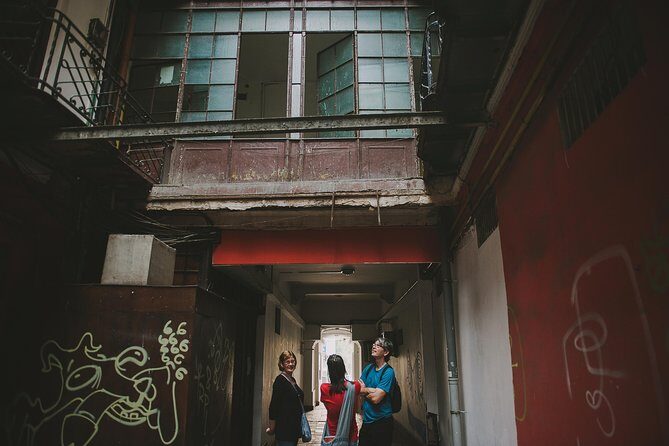
Next is Calea Victoriei, one of Bucharest’s best-known boulevards, and the tour uses it like a time machine. You spend about 40 minutes there, heading into the early 20th century and the scandalous realities that existed before Communist rule.
A standout detail is what the guide shares about 1927: around 12,000 prostitutes and escorts working in Romania. The tour also mentions a famous stage figure, Zaraza, a gypsy dancer whose presence ties street life and entertainment together in a way that feels very Bucharest—public, dramatic, and complicated.
This stop is a nice contrast to the darker political framing elsewhere. Instead of only focusing on prisons and dictators, you see how everyday society worked, what was happening in plain view, and how moral codes and power structures shaped lives. For many visitors, this is where Bucharest stops being a set of monuments and starts feeling like a real city with real human choices.
How the small group, English guide, and subway rides shape the day
This is a max 12 travelers setup, and that matters more than it sounds. With fewer people, you get a guide who can explain clearly and also handle questions without rushing. That’s a big part of why the tour consistently earns top marks for storytelling.
Language is also straightforward: the tour is offered in English. You can expect the guide to do more than list facts. The best guides on this format bring humor into the pacing, even when the subject matter is grim, which keeps the day from feeling like a history lecture you can’t turn off.
Another practical plus: subway transportation is included. That means less time fighting long walks or traffic, and it helps you reach the cemetery without turning your day into pure transit. One of the strongest feelings this tour gives is momentum: you’re moving, learning, and reacting, rather than waiting around between stops.
Logistics are simple but worth planning. The tour starts at the Ion Luca Caragiale National Theatre (Bulevardul Nicolae Bălcescu 2) at 3:00 pm and finishes at Revolution Square (in front of the Ministry of Internal Affairs). The meeting point is central, and the end point leaves you near a major area for evening wandering.
Price and what you actually get for about $48.39
At $48.39 per person for about three hours, the price can look surprising until you break down what’s included. You’re paying for a live guide, a street snack, and subway transportation—and the key stops are listed as free of admission tickets. That means you’re mostly buying expert storytelling and local context, not entry fees.
There’s also a value factor in the small-group size. With a max of 12, your money goes into the experience design rather than being spread across a giant crowd. If you want the guide to answer questions like why certain events happened, or how Bucharest’s political shifts affected daily life, this format helps.
A few notes that keep expectations realistic:
- Food and drinks are not included unless specified, so plan to get your own after the tour.
- Hotel pickup and drop-off are not included, so you’ll be responsible for getting yourself to the meeting point.
- This tour has a moderate physical fitness requirement, so you should be comfortable walking and standing for the cemetery portion.
If you’re trying to choose between this and a more general walking tour, the difference is simple: here, the city is a story of pressure and consequence. You’ll leave with a clearer map of why Bucharest looks the way it does—and why certain places feel heavy even on bright days.



Should you book this Darkside Tour of Bucharest?
Book it if you want Bucharest with context, not just postcard views. This tour is especially good for first-timers who realize that Romania’s modern identity isn’t understandable without the years of political control, resistance, and the emotional cost of turning points.
It’s also ideal if you like compact itineraries that move you through major themes quickly: cemetery life and local legend, protest origins, early-1900s street reality, and the emotional end of Communism at Revolution Square. The pacing keeps you engaged, and the small-group size helps you ask follow-up questions.
Skip it if you’re expecting a light, fun history walk. The subject matter includes heavy topics, including secret police and violent events connected to 1989, and it isn’t recommended for children 15 and under. If you’re sensitive to dark themes, consider whether you want that emotional intensity on your trip.
My practical recommendation: pack comfortable shoes, arrive a little early near Ion Luca Caragiale National Theatre, and bring a mindset for stories that are not afraid to be uncomfortable. If that works for you, this tour is an efficient way to understand the city’s past without getting lost in details on your own.
FAQ
How long is the Darkside Tour of Bucharest?
It runs for about 3 hours.
How much does the tour cost?
The price is $48.39 per person.
What size is the group?
The tour has a maximum of 12 travelers.
Is the tour offered in English?
Yes, it is offered in English.
Is admission paid for the stops?
The itinerary lists admission ticket free for Bellu Cemetery and the other stops.
What is included in the tour price?
Included are a street snack, a local guide, and subway transportation.
Where does the tour start and end?
It starts at Ion Luca Caragiale National Theatre, Bulevardul Nicolae Bălcescu 2, Bucharest, and ends at Revolution Square (Piața Revoluției) in front of the Ministry of Internal Affairs.
Is hotel pickup and drop-off included?
No. Hotel pickup and drop-off are not included.
Is there free cancellation?
Yes. You can cancel for a full refund up to 24 hours before the experience. If the tour is canceled due to poor weather, you’ll be offered a different date or a full refund. Service animals are allowed, and the tour is not recommended for children aged 15 and under.