REVIEW · BUCHAREST
Bucharest Under Communism: Life, Terror & Hope
Book on Viator →Operated by BTrip Bucharest Tours · Bookable on Viator
Communism isn’t abstract here. This Bucharest walking tour links major sites tied to Nicolae Ceaușescu and the 1989 Revolution, so the city reads like a timeline. I love the way architecture turns into story, and I love the guide style (often led by people like Laura or Tamar) that keeps the pace brisk without losing meaning. The only real drawback is that the subject matter gets heavy fast, so come ready for uncomfortable history.
You’ll cover five landmark stops over about 3.5 hours with a private guide and a small group size (up to 15). You’ll start at Piaţa Sfântul Anton, then work your way through Unirii Square, the Parliament area, the Mihai Voda Monastery, Revolution Square, and finish at University Square near the Old Town. Some stops are free to enter; one major site has an entry fee not included in the tour price.
In This Review
- Key things you’ll notice on this tour
- Leaving propaganda behind and reading the streets
- Unirii Square: where the city planned its own myth
- Palace of Parliament: a world-class building paid for with shortages
- Mihai Voda Monastery: churches hidden in plain sight
- Revolution Square: the balcony, the office, and the turning point
- University Square: where protest became a massacre
- Why the guide style makes this tour worth the price
- Price and what you really get for $23.22
- What to expect on the ground: walking pace, weather, and comfort
- Who should book this Bucharest communism walking tour?
- Should you book it?
- FAQ
- How long is the Bucharest Under Communism walking tour?
- What time does the tour start?
- Where do I meet the guide?
- Where does the tour end?
- Is this tour private, and how big is the group?
- Which main stops are included?
- Are entrance tickets included?
- What happens if the weather is bad?
- What is the cancellation policy?
Key things you’ll notice on this tour
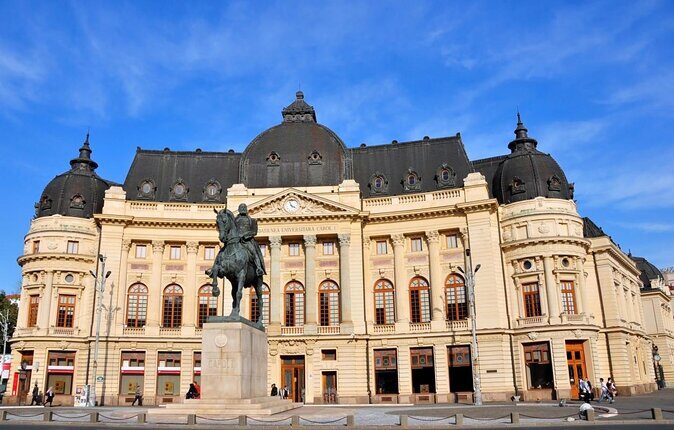
- Unirii Square and the “Victory of Socialism” boulevard: propaganda built into the streetscape
- The Palace of Parliament from multiple angles: scale first, politics second
- Mihai Voda Monastery’s survival: religion under pressure, and why that matters
- Revolution Square’s specific locations: the office, the balcony, the first mass demonstration
- University Square’s toll: protests that came with lethal consequences
Leaving propaganda behind and reading the streets
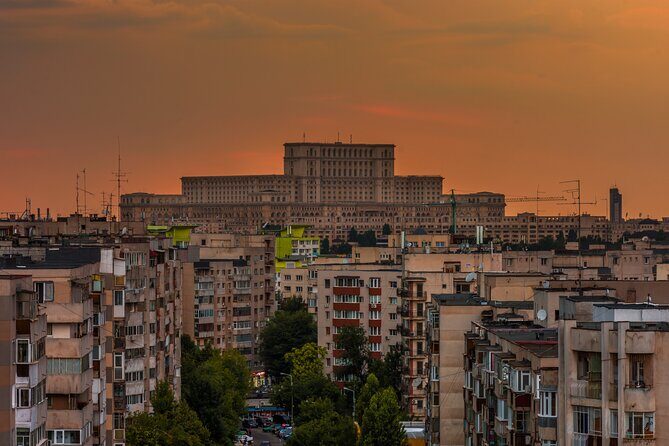
Bucharest is the kind of city where big ideas got built in stone. That’s why this walk works: each stop is a physical clue to how communism shaped everyday life and how it eventually collapsed. You’re not just looking at landmarks. You’re connecting them to the human cost behind them.
The timing also helps. The tour starts at 4:00 pm, which usually means softer light on heavy buildings and more comfortable walking after the busiest part of the day. It’s a practical schedule for anyone doing a first sweep of central Bucharest and still wants something meaningful.
Finally, the tour format matters. It’s designed as a walking route with a private guide and a maximum group size of 15. That setup makes it easier to ask questions and to get context when a building’s purpose feels unclear.
You can also read our reviews of more tours and experiences in Bucharest.
Unirii Square: where the city planned its own myth
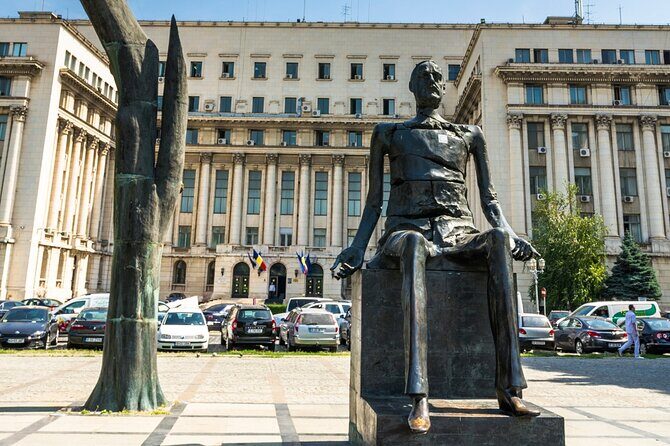
Your route kicks off at Unirii Square, designed during the last phase of communism in Romania. One of the most immediate features here is the fountains. They’re pretty in a classic public-square way, but on this tour you’ll also learn to read their presence as part of the regime’s public image.
From there, you’ll connect Unirii Square to Bucharest’s largest avenue: the former Victory of Socialism Boulevard. This is where you get a real feel for the megalomaniac vision associated with the dictator. Standing near the square and taking in the boulevard layout helps you understand the scale of what leaders wanted Bucharest to become.
A practical plus: this is a free-stop (no admission). So you can focus on the story without feeling like the day is constantly interrupted by tickets.
Palace of Parliament: a world-class building paid for with shortages
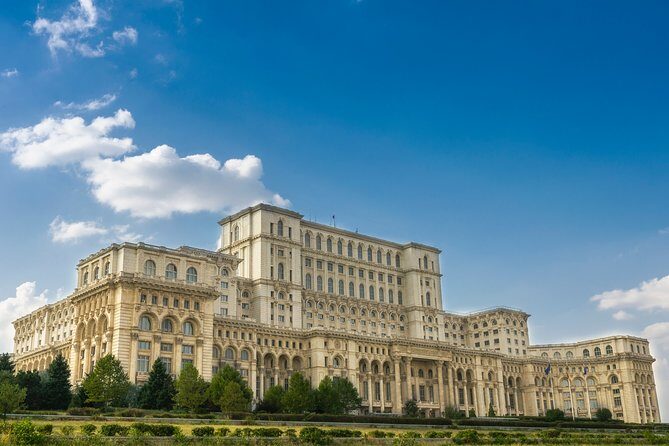
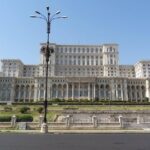
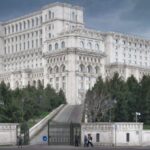
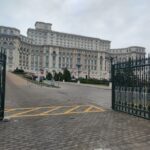
The centerpiece stop is the Palace of Parliament, a name you’ll hear constantly in Bucharest. It’s described here as the second largest building in the world after the Pentagon, and also one of the most expensive administrative buildings ever built. That’s impressive on paper. On the street, it’s almost surreal—like the city accidentally swallowed a giant.
But the tour’s angle is the key. You’ll hear how the building process relied on vast amounts of money, materials, and labor—while, during the 1980s, Romanians faced shortages of all kinds. The point isn’t to reduce it to one slogan. It’s to help you connect the physical monument to the daily reality underneath it.
You’ll also look at the surrounding architecture, including the Academia Română building across from the palace. The intended use (linked to Elena Ceaușescu) is part of what you’ll discuss, and it adds another layer: this wasn’t only about the state. It was about family power and display.
One important consideration: admission isn’t included for the Palace of Parliament stop. Even if you don’t expect a long indoor visit, you’ll still want to plan for the entry fee. Think of this as the only real extra cost you may need to budget during the tour.
Mihai Voda Monastery: churches hidden in plain sight
After the monumental scale of the Parliament area, the Mihai Voda Monastery stop feels like a reset. This is where the tour shifts from regime power to everyday belief systems, and how the communist party treated religion.
You’ll hear about the pattern of the period: some churches were destroyed, while others survived in surprising ways. What makes this stop especially interesting is the contrast between sacred space and the utilitarian buildings around it—churches that look almost tucked behind newer structures. That physical hiding place becomes a story about control without totally erasing faith.
The Mihai Voda Church itself is from the Middle Ages and, fortunately, it survived the demolition frenzy. For me, this is one of the stops that turns history from abstract to personal. You can stand in one place and feel how time can fracture—by policy, by violence, and by stubborn survival.
This stop is also free to enter on the tour schedule, which helps you keep momentum without spending extra right in the middle of the emotional content.
Revolution Square: the balcony, the office, and the turning point
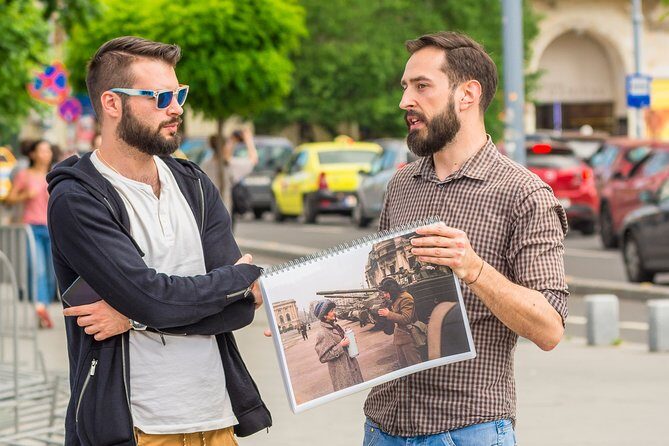
Then you move to Revolution Square (Piaţa Revoluţiei), and the mood shifts again. This is where the communist regime began and also where it ended with the people’s protests during the Revolution of 1989.
What you’ll focus on here is specific rather than general. The tour route includes the building that housed Ceaușescu’s office, and the balcony where he had his last speech. You’ll also learn about the places connected to the first mass demonstration in Bucharest.
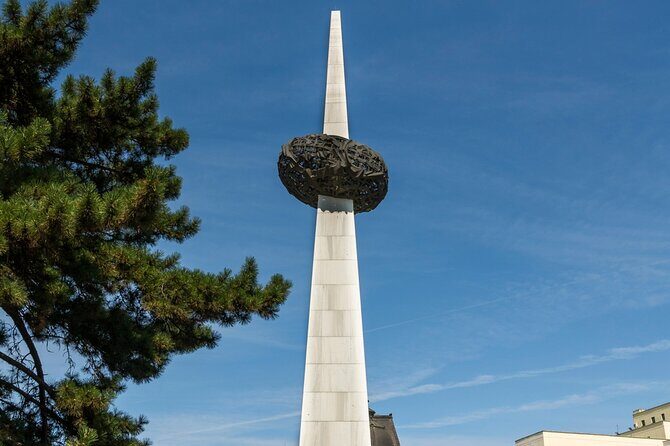
That matters because it prevents the event from becoming a blur of headlines. You’re standing at the type of sites where history can turn in real time. With a guide, you’ll understand what happened to demonstrators who rose against totalitarianism—plus the story behind the monument dedicated to them and what followed after the revolution.
This part of the walk is free to enter as well. Still, plan your energy for it. The history is confrontational, and the best way to enjoy this stop is to slow down and let the location do its job.
University Square: where protest became a massacre
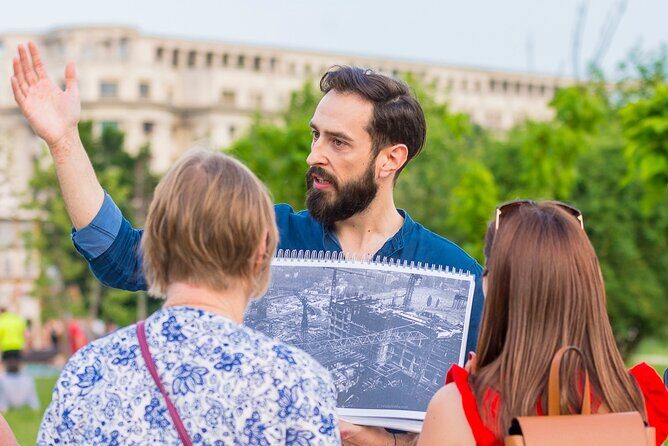
The final major stop is University Square, with a focus on the main protests against communism in 1989. This is the emotional peak of the route. The tour schedule notes that hundreds were massacred for their belief in a free society, and the time you spend here is meant to sit with what that cost actually meant.
You’ll have a guided explanation of what happened at this location and why it’s remembered. If you only take one “lesson” from this tour, let it be this: political systems don’t collapse only because leaders fall. They change because people risk everything and insist on a different future.
On the practical side, the tour indicates admission ticket included for this stop. So unlike the Palace of Parliament, you shouldn’t need to budget extra entry money here as part of the tour package.
Why the guide style makes this tour worth the price
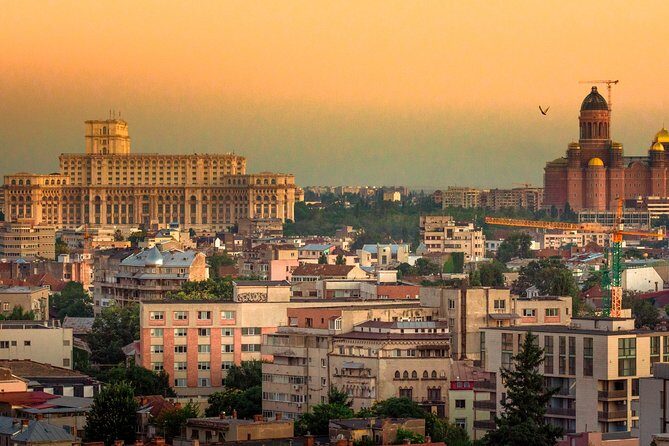
This is one of those tours where the guide can either make the story feel like a textbook or turn it into a walk you remember. Based on the way guides on this route are described—funny when appropriate, serious when it counts, and willing to answer questions—this one usually lands well.
Names you may hear from previous runs include Laura and Tamar. The common thread is that guides use historical photos as support, so you aren’t just getting dates and names. You get images and explanations that help connect what you see now to what Bucharest looked like back then.
Also, this tour is structured with enough stops that you don’t feel rushed. It’s not just a straight line from Point A to Point B. You’re given time to understand why each location matters, which makes the walking feel purposeful instead of like sightseeing homework.
If you like city walks that teach you how to interpret what you’re seeing—without turning into a lecture—you’ll probably enjoy this format a lot.
Price and what you really get for $23.22
At $23.22 per person, the tour price is the kind of amount you can justify as an easy “history orientation” in a city with a complicated past. You’re paying for two things most travelers forget to factor in: guided interpretation and time.
Three and a half hours isn’t short, and it’s not just movement. You’re getting focused context on Ceaușescu, the communist era, the revolution, and the shift toward democracy—plus a route that’s designed to hit the city’s most relevant symbols.
Your budget should also account for the one likely variable: the Palace of Parliament admission is not included. Everything else is either free on this schedule or included at University Square. If you know you’re interested in the Parliament stop, plan a little extra so you don’t feel surprised when you get there.
What to expect on the ground: walking pace, weather, and comfort
This is a walking tour through central Bucharest. The duration is about 3 hours 30 minutes, and the stops are spread across several key squares and historic sites. That means comfortable shoes are not optional if you want to enjoy the day without a sore finish.
Weather also matters. The tour notes it requires good weather. If conditions are poor, the operator will offer a different date or a full refund—so keep an eye on the forecast and don’t book this as your last option for the day.
Since the meeting point is near public transportation and the end is at Revolution Square near the Old Town, it’s easy to connect this walk with other plans after it ends.
Who should book this Bucharest communism walking tour?
This tour is a strong match if you:
- want a guided explanation of Romania’s communist period through real places
- care about how politics shaped daily life, not only speeches and events
- like architecture and public squares, and want to learn how they were designed to persuade people
- prefer small groups and the chance to ask questions to a live guide
It’s also a good fit for first-timers. You’ll cover multiple eras of modern Romanian history in a single route, and the landmarks are central enough that you’ll still feel grounded even after the heavy topics.
Should you book it?
Yes—if you’re curious about how a dictatorship leaves fingerprints on a city’s design, and you want your history with real locations attached. The route is efficient, the guide setup supports questions, and the stop choices make the story feel connected instead of random.
I’d only hesitate if you’re avoiding difficult topics. Revolution sites and mass-protest history aren’t meant to be casual. If you’re up for honest context and a brisk walk, this is a solid value for Bucharest.
FAQ
How long is the Bucharest Under Communism walking tour?
It lasts about 3 hours 30 minutes.
What time does the tour start?
The start time listed is 4:00 pm.
Where do I meet the guide?
You meet at Piaţa Sfântul Anton 64, București 030167, Romania.
Where does the tour end?
The tour ends at Revolution Square, Piața Revoluției, București, Romania (about 5 minutes from the Old Town).
Is this tour private, and how big is the group?
You get a private guide, and the group size is limited to a maximum of 15 people.
Which main stops are included?
The tour includes Unirii Square, the Palace of Parliament, Mihai Voda Monastery, Revolution Square, and University Square.
Are entrance tickets included?
Unirii Square is free, Mihai Voda Monastery is free, Revolution Square is free, and University Square has an admission ticket included. The Palace of Parliament admission is not included.
What happens if the weather is bad?
The tour requires good weather. If it’s canceled due to poor weather, you’ll be offered a different date or a full refund.
What is the cancellation policy?
You can cancel for free up to 24 hours in advance for a full refund. If you cancel less than 24 hours before the start time, the amount paid is not refunded.