REVIEW · BUCHAREST
Bucharest Sightseeing Tour
Book on GetYourGuide →Operated by CT&T, Romania · Bookable on GetYourGuide
History hits hard in Bucharest. This tour threads you through the city’s key 20th-century and old-town sights, using the streets themselves to explain what happened and why it mattered.
I really like the Revolution Square start, because you’re not just looking at buildings—you’re standing where the 1989 story unfolded, then moving outward to connect the dots. I also love the mix of big public landmarks and quieter details, especially the Orthodox stop with its iconography, where Bucharest’s religious art becomes part of the lesson.
One thing to consider: the pace is mostly walking with a few vehicle segments, and a major site like the Palace of Parliament can be closed without notice, so you may see substitutions rather than the exact plan.
In This Review
- Key highlights worth knowing
- Revolution Square: the 1989 moment that gives the city meaning
- Victoriei Avenue and the Palace of Justice: power, religion, and big statements
- Unirii Square: the transportation hub where architecture still grabs attention
- The Orthodox Metropolitan Church stop: iconography you can actually read
- Arch of Triumph and the Village Museum option: finishing with choice
- Price and logistics: what $324 per group really buys
- Who this tour suits best (and who might want something else)
- How to make the most of the 4 hours
- Should you book this Bucharest sightseeing tour?
- FAQ
- How long is the Bucharest sightseeing tour?
- Where is pickup included?
- Is the entrance fees included for the sites?
- What languages are the live guides available in?
- Do I need to bring anything specific?
- What if a site like the Palace of Parliament or churches are closed?
Key highlights worth knowing
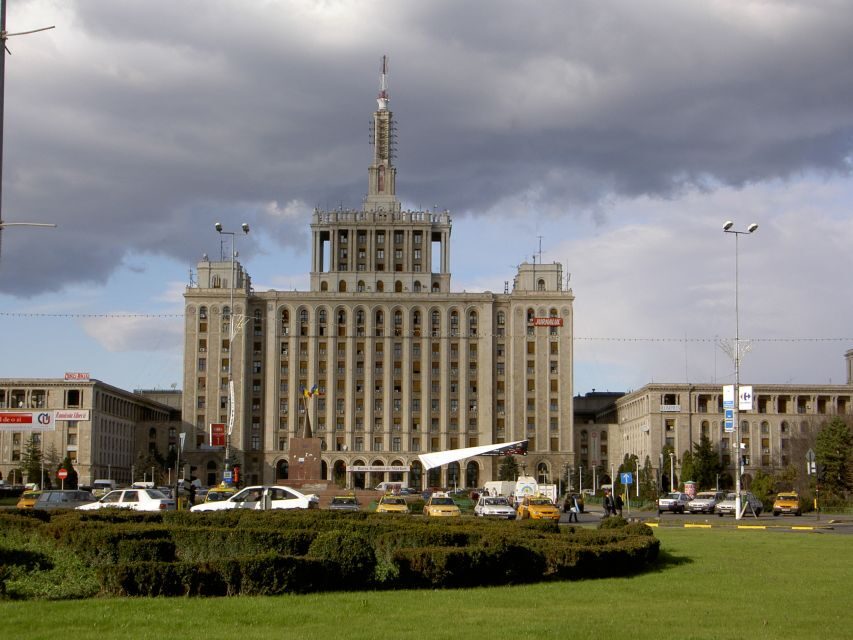
- Revolution Square, 1989 in context: You start where the revolution’s final chapters played out and get the setting that makes it click.
- Victoriei Avenue stroll with power landmarks: Royal-style buildings, churches, and the imposing Palace of Justice give you a feel for state power made visible.
- Unirii Square and the Parliament zone: You’ll plan your day around big-ticket architecture, with a workable backup if access is limited.
- Orthodox church stop with icon details: You get guidance on what you’re seeing, not just a quick photo stop.
- Arch of Triumph + optional Village Museum: The route ends with a chance to add either a landmark walk-by or a culture-forward stop.
Revolution Square: the 1989 moment that gives the city meaning
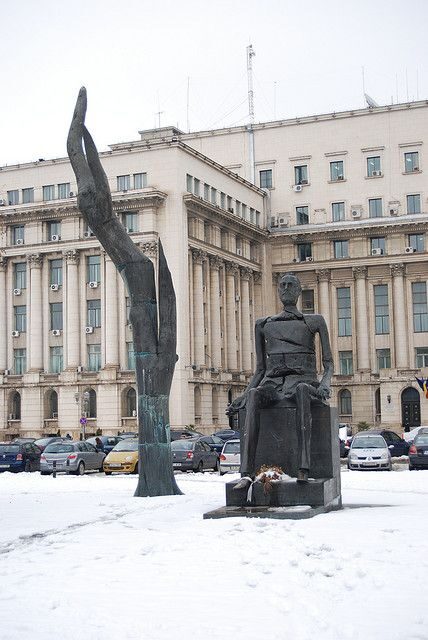
Bucharest can look like a place built in layers, and this tour uses that truth on purpose. You begin at Revolution Square, the public stage tied to the end of Nicolae Ceaușescu’s regime in 1989. Standing here, you can visualize how a crowd, a government, and a city block could all turn into history in a matter of days.
What makes this opening effective is the way the guide links architecture to events. You’re not stuck with dates and names; you’re shown what the square contains—royal-era buildings, libraries, statues—and then asked to read the space like a scene. That matters, because Bucharest often feels like it’s speaking in stone and symbolism.
This is also where the guide quality shows up. In past departures, names like Elisabeth have been singled out for the kind of clear, valuable explanations that make the square feel understandable instead of overwhelming.
A possible drawback: if you’re hoping for a purely museum-style experience, this starts more like walking history. The upside is you’ll get the feeling of being in the city, not in a sealed exhibit.
You can also read our reviews of more tours and experiences in Bucharest.
Victoriei Avenue and the Palace of Justice: power, religion, and big statements
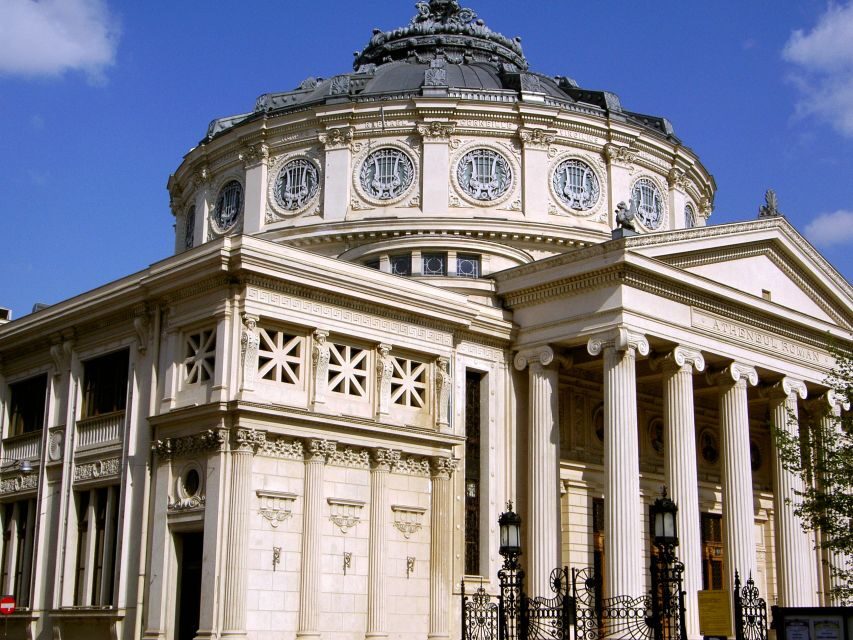
After Revolution Square, the tour shifts from a single focal point to a moving story. You walk down Victoriei Avenue toward Bucharest’s central commercial and historic quarters, passing landmarks that are easy to notice but harder to interpret without context.
Along the way, you’ll see the Princely Court area and a church that connect you to older Bucharest life. Then comes a dramatic visual lesson: the Palace of Justice, with its heavy, imposing columns that communicate how authority was designed to look. It’s the kind of building that’s hard to ignore, and with a guide, it becomes more than an impressive photo.
This stretch is one of the best parts for people who like architecture but don’t want a textbook. You get a guided “what to look for” approach, plus the historical framing that explains why certain structures were built in specific styles.
One practical note: this is a walking-forward route. You’ll want comfortable shoes and a light layer, because even in a short day you’ll earn your steps.
Also, if your interests lean more toward modern politics, you might find the balance skewing historical rather than current-economy focused. One review noted a desire for more about today’s political and economic picture, so keep that in mind if you want big comparisons between past and present.
Unirii Square: the transportation hub where architecture still grabs attention
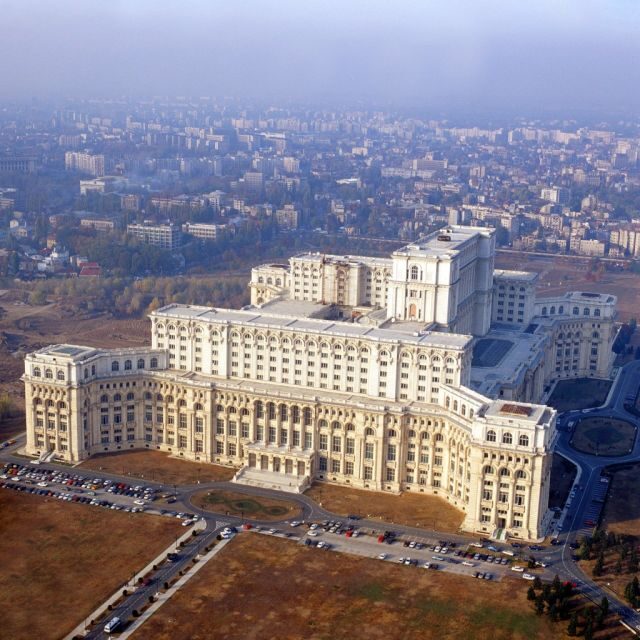
Next you roll into Unirii Square, described for good reason as a gigantic transportation hub. It’s a busy, functional part of the city—but on this tour, it’s also where the drama ramps up again through monumental architecture.
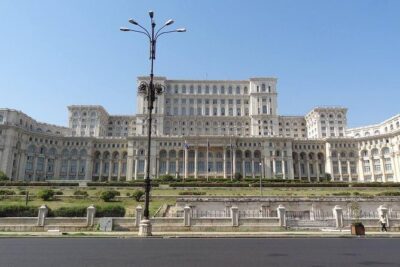
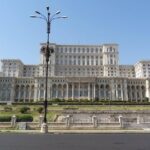
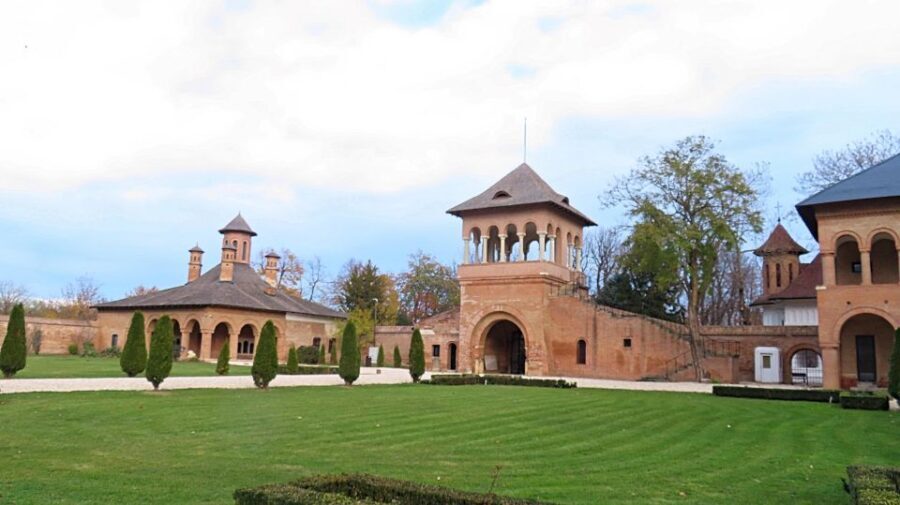
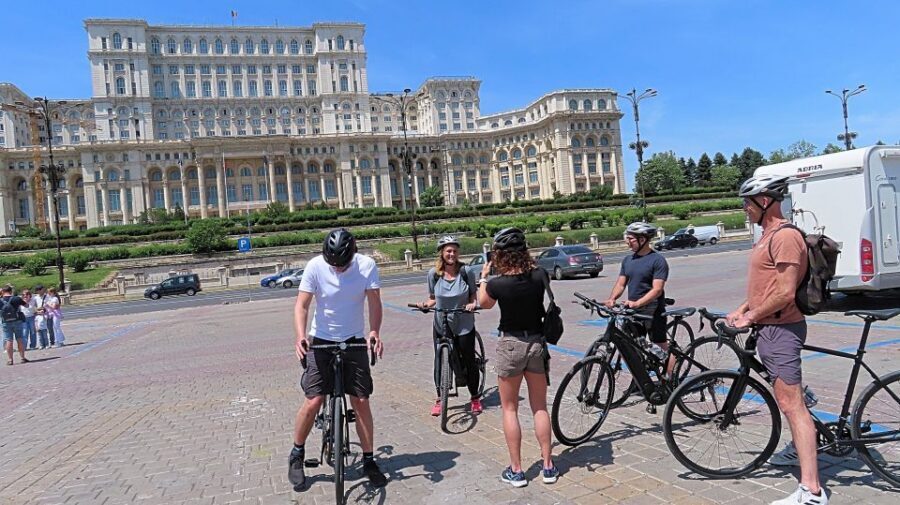
Here, the tour centers on the Palace of Parliament. You may be able to stop and visit, but the important part is that the day is planned around that possibility. If access isn’t possible—because of international conferences or meetings—the tour uses a practical substitute: the Spring Palace/Ceaușescu’s residence.
That “plan A / plan B” flexibility is genuinely valuable in Bucharest. Important places can close without much notice, and the tour’s approach keeps you from feeling like the day collapses if one door shuts. Just know that no tour can fully control that.
This is also where the tour shines for first-timers. If you’ve only seen Bucharest from afar, Unirii Square is the moment where you start thinking like a city visitor: the streets don’t just lead somewhere, they funnel you through power, institutions, and everyday movement.
The Orthodox Metropolitan Church stop: iconography you can actually read
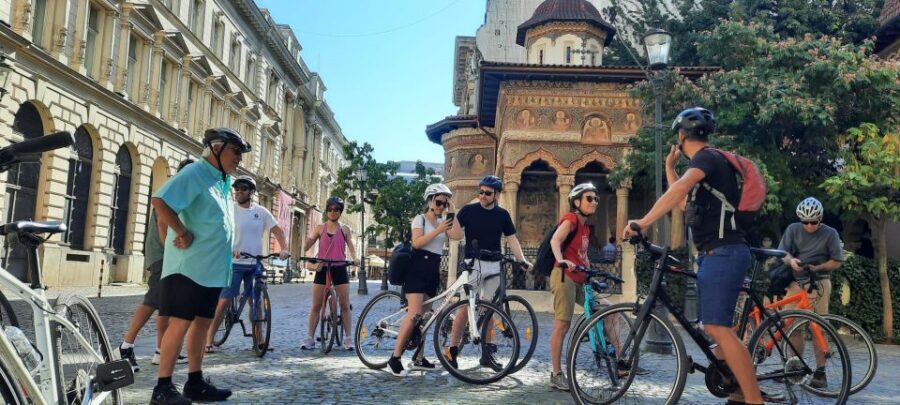
After the big architecture, the route turns quieter—at least visually—at the Metropolitan Church. This is one of those stops where the guide’s job becomes more than narration: it’s interpretation.
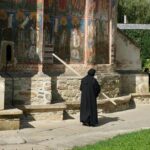
You’ll look at the Orthodox iconography, which can feel like a wall of images if you don’t know what you’re seeing. With guidance, the religious art becomes a window into how faith expresses itself through symbols, scenes, and tradition.
If you like places where culture shows up in everyday visual language, this is a good pause. It also breaks up the day nicely after the heavy public buildings and wide boulevards.
Timing matters here. Churches and monasteries may close without prior notice, especially in low season, and the tour notes that substitutions may happen. The overall message: you’re not guaranteed one single photo-perfect outcome, but you’re given a structure that tries to keep the learning going.
Arch of Triumph and the Village Museum option: finishing with choice
On the walk back toward the university area, you’ll pass Bucharest’s Arch of Triumph. Even if you’ve seen triumphal arches elsewhere, this one feels local. It’s an easy landmark moment, but it also helps you keep track of where you are as the day loops back on itself.
Then you have an option: a stop at the Village Museum. This is the kind of add-on that suits people who want a slower, culture-leaning finish. If you prefer continuing street-level impressions instead, you can treat this as the day’s flexible landing point.
This “choice” ending is smart because it respects different travel styles. Some travelers want one last dose of architecture, others want a more hands-on view of Romanian life.
One more consideration: this final stretch depends on what’s open and what the guide can swap in. That’s not a flaw—it’s a reality in Bucharest—but it’s worth carrying the mindset that the tour is a living route.

Price and logistics: what $324 per group really buys
The price is listed at $324 per group up to 4, for a 4-hour experience. That sounds simple, but value depends on how you compare it: you’re paying for air-conditioned transport, a live guide, and a guided walk connecting several sites that can be spread out.
It’s not a low-cost “hop-on bus” style deal. But with a small-group format and a guide actively explaining what you’re seeing, it can be good value—especially if you’re traveling with 2–4 people and want a guided framework instead of piecing together the city on your own.
Two details matter for expectations. First, the tour is described as small group, limited to 8 participants. Second, the pricing you’ll see is per group up to 4. In practice, that means your experience may feel more intimate than a large group tour, but you should still expect a friendly shared rhythm rather than a silent private car with a single guest.
One comfort win: the tour uses an air-conditioned mini-van for transportation between parts of the route. That helps in summer and keeps the day from turning into a sweaty sprint.
Reviews also highlight how smoothly the ride happens. One note praised a calm, comfortable driving style connected with Claudio, which tells you the day won’t feel frantic even though you’re out in busy areas.
Entrance fees are not included, so if the Palace of Parliament (or any other site) is available and you choose to go in, you’ll want to budget for that separately. If a major site can’t be visited, the tour aims to replace it with other relevant stops, which helps protect the value of your time.
Who this tour suits best (and who might want something else)
This tour is ideal if you want Bucharest to come with a story. You’ll likely enjoy it if you’re the type who stops at architecture and thinks, what’s behind this shape, this style, this symbolism?
It also fits well for first-time visitors who want a tight introduction rather than a full-day DIY plan. In a few hours you’ll hit major points that help you understand why Bucharest’s streets feel like living memory.
You might want to consider a different option if your priority is current economics, political analysis, or very practical local advice like restaurant hunting. One review specifically suggested more detail about the current political situation and everyday economic factors, plus more “where to eat” guidance. This tour appears to be more heavily focused on the historical backbone and key architectural stops.
How to make the most of the 4 hours
You’ll get the best results if you treat this as a guided walk with landmarks, not a sprint between entrances. Bring comfortable shoes, and plan for some uneven urban sidewalks and time spent standing in public areas.
Bring your passport, because it’s explicitly requested as the key item to have with you. Also note the rule: no food in the vehicle. If you need a snack later, plan for it outside the tour window rather than assuming you can eat during the ride.
If your schedule includes a Monday, keep in mind that museums are usually closed. The tour doesn’t promise a perfect match every day, but it does state that closures can happen and substitutions may be used.
And if you’re someone who hates surprises, it helps to mentally prepare for possible site access changes. The Palace of Parliament can close without prior notice, and some churches may close in low season. This is one of those places where flexibility is part of travel here.
Should you book this Bucharest sightseeing tour?
Book it if you want a focused, walk-led introduction that connects Revolution Square, grand boulevards, and Orthodox icon art into one understandable storyline. The combination of air-conditioned transport, a live guide in multiple languages, and a route built around major stops makes it a solid choice for a first visit.
Skip or switch plans if you’re mainly after deep coverage of current-day politics and economics or if you need guaranteed access to interior sites. Because closures can happen without notice—especially for the Palace of Parliament—you should be comfortable with the idea that you’ll get meaningful substitutions rather than a rigid checklist.
If you’re traveling in a group of up to four and you value guided interpretation over self-navigation, this tour often looks like good value. And if your guide is the kind that can explain a place so you actually understand what you’re seeing, this route does the heavy lifting fast—without wasting your time.
FAQ
How long is the Bucharest sightseeing tour?
The tour lasts 4 hours.
Where is pickup included?
Pickup is included from your hotel, address, or location entrance in Bucharest.
Is the entrance fees included for the sites?
No. Entrance fees are not included.
What languages are the live guides available in?
The guide is available in English, French, German, Italian, and Spanish.
Do I need to bring anything specific?
Yes. You should bring your passport.
What if a site like the Palace of Parliament or churches are closed?
The tour notes that major sites may close without prior notice, including the Palace of Parliament, and some churches may also be closed. The guide will do their best to replace closed sites with other relevant ones, but they aren’t responsible if closures happen during the tour.