REVIEW · BUCHAREST
Bucharest Communism: From Lenin to Ceausescu
Book on GetYourGuide →Operated by Bike The City Bucharest · Bookable on GetYourGuide
Bucharest under communism is written in stone. On this 2.5-hour walk, I like how the story moves between big-state symbols and everyday consequences, so you don’t just hear names and dates. You also get a fast, focused route through major monuments that match the regime’s timeline and psychology.
My other favorite part is the way the guide handles heavy material without turning it into a lecture, often using humour and taking questions—people like Horia and Alex have been mentioned as standout guides. The one drawback to plan for: some stops are brief, so if you want long museum-style time inside buildings, you’ll need to pair this with extra independent exploring.
In This Review
- Key takeaways before you go
- Why this communist story takes real shape in Bucharest
- Starting on Bulevardul Unirii 5 (near Coffee shop Constitutiei)
- Palace of the Parliament: the giant plan and the human cost
- Antim Monastery and the Patriarchal Cathedral: religion beside political control
- Bucharest fountains, Piața Unirii, and the streets between slogans and life
- University Square and the Royal Palace: institutions under a watchful state
- The Romanian Athenaeum: culture, identity, and propaganda pressure
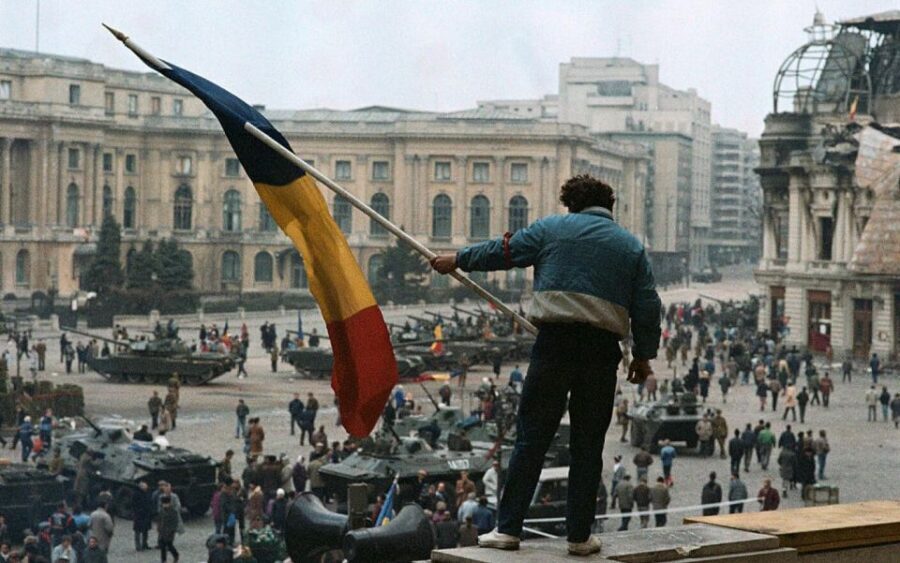
- Revolution Square: the end of Ceaușescu, trial, and execution
- What life under communism looked like on the ground
- Price and value: is $23 worth 2.5 hours?
- Who should book this tour (and who should think twice)
- Should you book this Bucharest communist tour?
- FAQ
- Where does the tour start?
- How long is the tour?
- What does it cost?
- What’s included in the price?
- Are entrance tickets included?
- Is there food or drinks provided?
- What languages is the tour offered in?
- Do I need to arrive early?
- Is the tour refundable if plans change?
- Can I reserve without paying right away?
Key takeaways before you go
- Romania’s power monument, up close: the Palace of the Parliament (also linked to the Chamber of Deputies story).
- A direct link between ideology and demolition: the regime’s projects meant forced destruction and mass displacement.
- Daily life details, not just politics: rationing, food amounts, and what the secret police changed.
- Ceaușescu’s rise and end: from his background to the revolution, trial, and execution.
- You’ll walk through the city’s decision-making zones: squares, institutions, and culture sites around Revolution-era Bucharest.
Why this communist story takes real shape in Bucharest
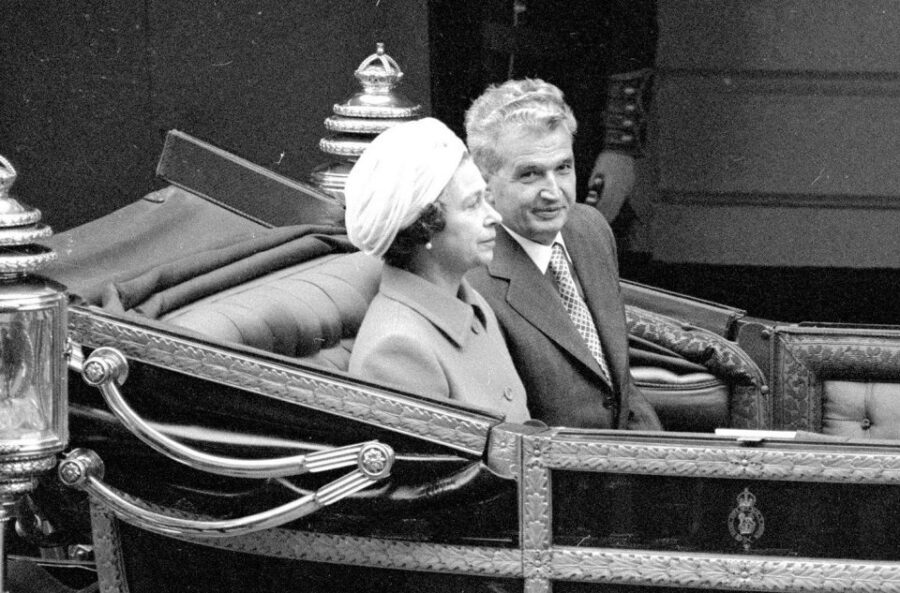
Communism in Romania wasn’t only an idea. It showed up in the streets, the skyline, and the way people learned to survive. That’s why this tour works so well: it treats Bucharest like a living textbook, where you can connect ideology to architecture and to what people endured day to day.
I also like that the tour doesn’t stop at “what happened.” It explains the machinery behind it—how the regime shaped society before Ceaușescu’s rule fully hardened, then how life became controlled through fear, rationing, and the security apparatus. If you care about totalitarian systems, you’ll leave with a clearer sense of why they feel so hard to escape once they lock in.
You can also read our reviews of more tours and experiences in Bucharest.
Starting on Bulevardul Unirii 5 (near Coffee shop Constitutiei)
The tour starts at Bulevardul Unirii 5, right by the Coffee shop Constitutiei. Show up around 10 minutes early so you’re not rushed when the group gathers and the guide sets the frame for the walk.
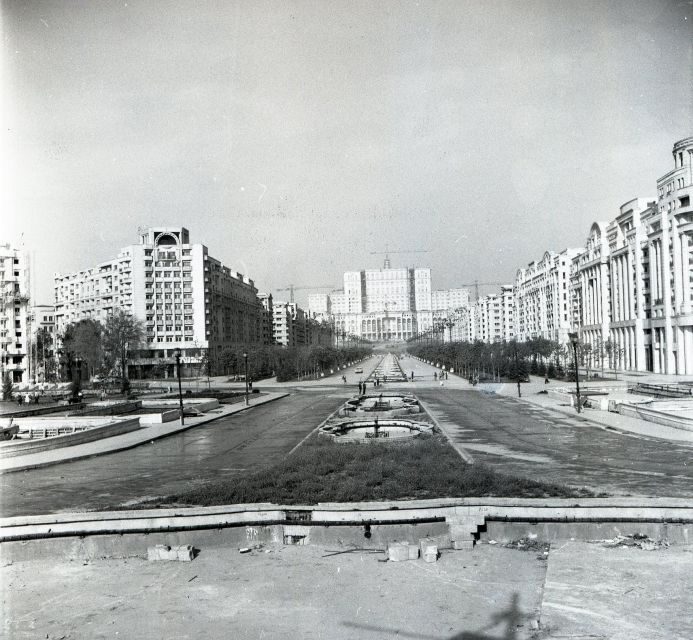
What helps here is the placement: this boulevard sits in the middle of the late-communist “vision” for the city. You’ll quickly understand why the regime loved wide avenues and monumental views—they’re good for parades, good for control, and good for making power feel untouchable.
Palace of the Parliament: the giant plan and the human cost
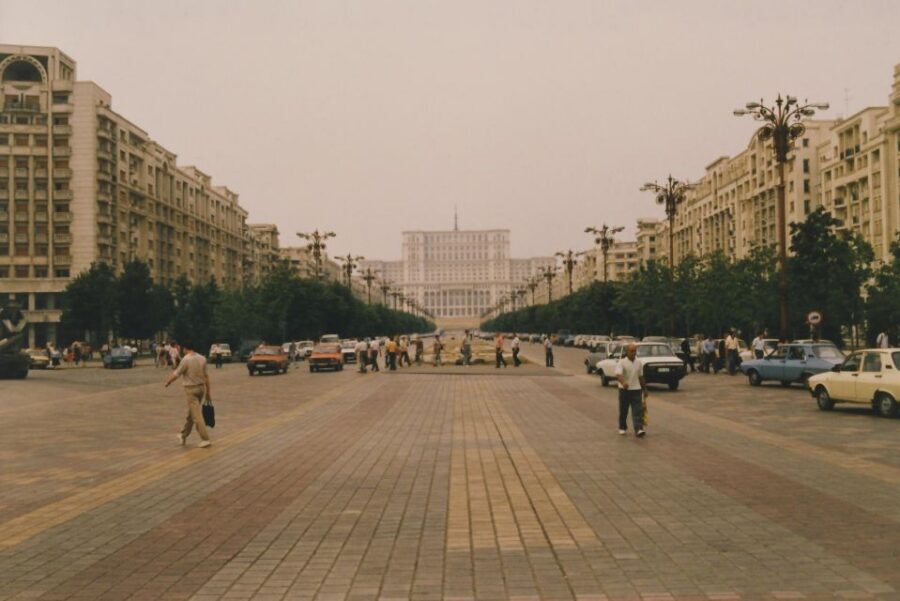
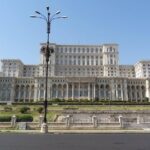
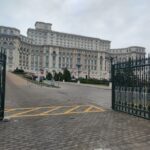
The highlight anchor is the Palace of the Parliament, tied to the Chamber of Deputies Palace story and the socialist megalomania behind it. Even if you’ve seen photos, it lands differently in person. You get a sense of scale that’s almost hard to process: the building is noted as the second largest administrative building in the world.
But the tour doesn’t treat it like a cool landmark only. It pushes the uncomfortable link: the construction came with the demolition of three neighborhoods and 40,000 households. When you hear that while standing near the “official” spaces of the building, it becomes obvious how architectural ambition can become a tool of erasure. The regime wasn’t just building a seat of power—it was rewriting the city’s social map.
You’ll get a guided visit plus sightseeing time (about 20 minutes), so plan to stay alert. This is the one stop where your brain has to hold both things at once: monumentality and displacement.
Antim Monastery and the Patriarchal Cathedral: religion beside political control
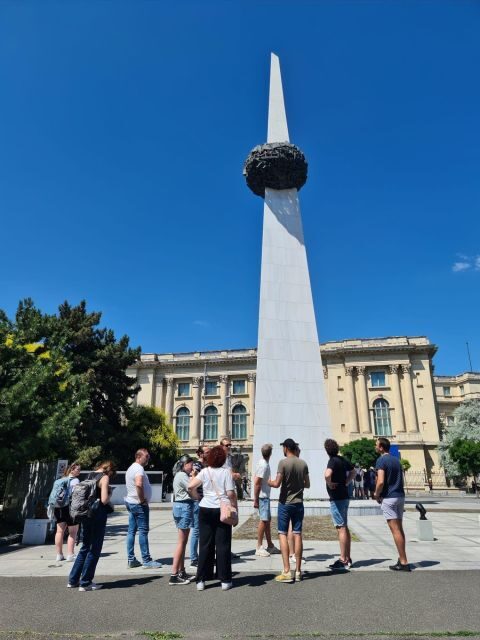
Next comes a shift in atmosphere with Antim Monastery (about 10 minutes). Monasteries in Bucharest have a habit of reminding you that Romania’s history didn’t only run through party headquarters. Religious sites often hold continuity when governments try to impose a new worldview.
Then you move to the Patriarchal Cathedral for another guided stop and time to look around (about 20 minutes). In this part of the walk, you’ll likely hear how regimes treated institutions outside the state—sometimes with pressure, sometimes with co-opting, and sometimes with surveillance. Even if you don’t memorize every detail, the contrast is clear: a spiritual center doesn’t have to look “political” to become part of the political story.
Bucharest fountains, Piața Unirii, and the streets between slogans and life
The tour keeps threading you through symbolic spaces and public gathering points, starting with Bucharest fountains (short visit, about 5 minutes). These little stops matter because they show how public space was managed—how a city’s “pleasant” face could coexist with rationing and repression elsewhere.
Then you reach Piața Unirii (about 5 minutes). Squares like this are where ideology performs. Even when your eyes are focused on buildings around you, your ears are usually catching the story behind the performance: how regimes used public geometry—broad open areas, clear sightlines, official narratives—to influence what people felt was possible.
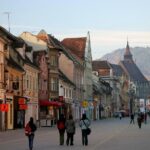
After that, you step into Old Town Bucharest for about 15 minutes. This is a good reset moment. You get a sense of the older city texture, which helps your understanding of what communism changed so dramatically. It’s also a practical pause for photos before you move into the institutional corridor again.
University Square and the Royal Palace: institutions under a watchful state
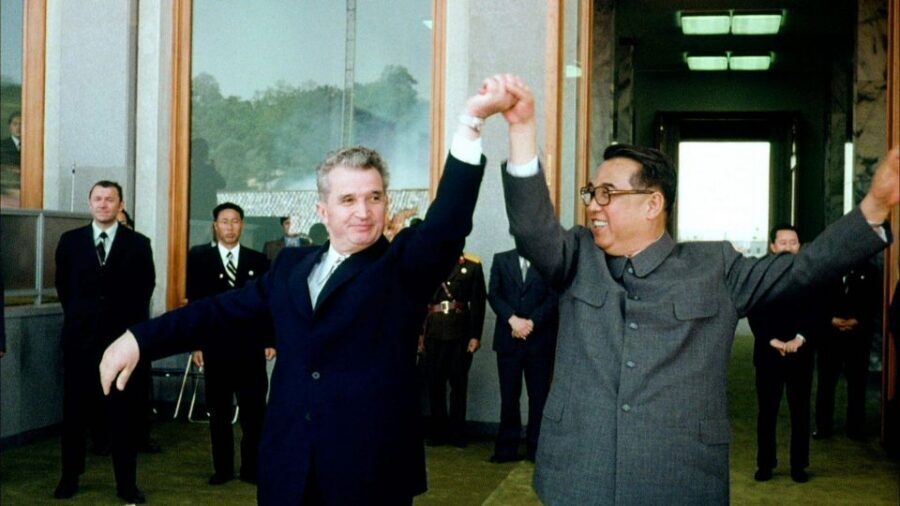
You’ll pass through University Square (about 5 minutes), then continue to the Royal Palace of Bucharest (about 10 minutes). These stops help you compare eras without needing a textbook. Before communism hardened into its own system of control, societies still had other “organizers” of life—education, old power networks, cultural institutions, and monarchy-era authority.
In a totalitarian system, the most important shift is often this: what used to be public life becomes regulated life. That’s why these sites matter to the story even when your time is short. They act like checkpoints—places where you can mentally ask, Who had authority here before? And who tried to claim it after?
The Romanian Athenaeum: culture, identity, and propaganda pressure
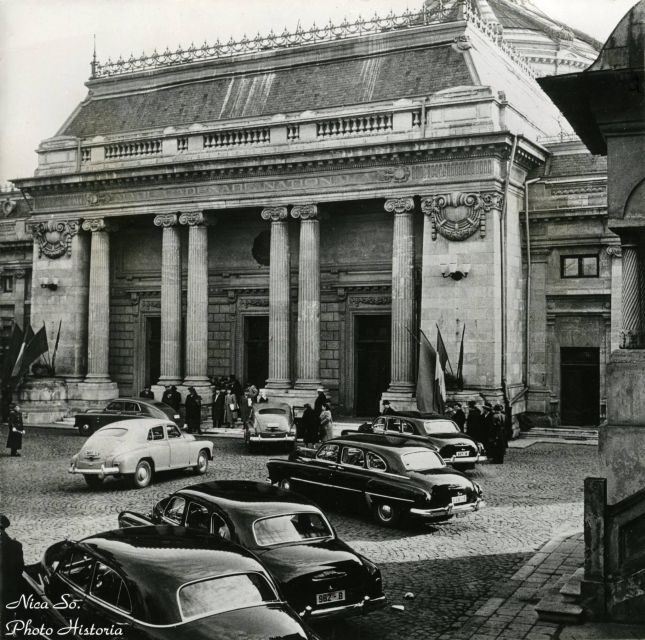
The walk continues to the Romanian Athenaeum for about 10 minutes. Culture spaces like this are powerful because art and public learning can become either a lifeline or a target, depending on the political climate.
This is also a place where the tour’s theme—how society was shaped before communist ruling, and then how the system tightened—often becomes easier to grasp. If you can connect culture to identity, you’ll understand why a regime would care so much about what people read, heard, and believed.
Revolution Square: the end of Ceaușescu, trial, and execution
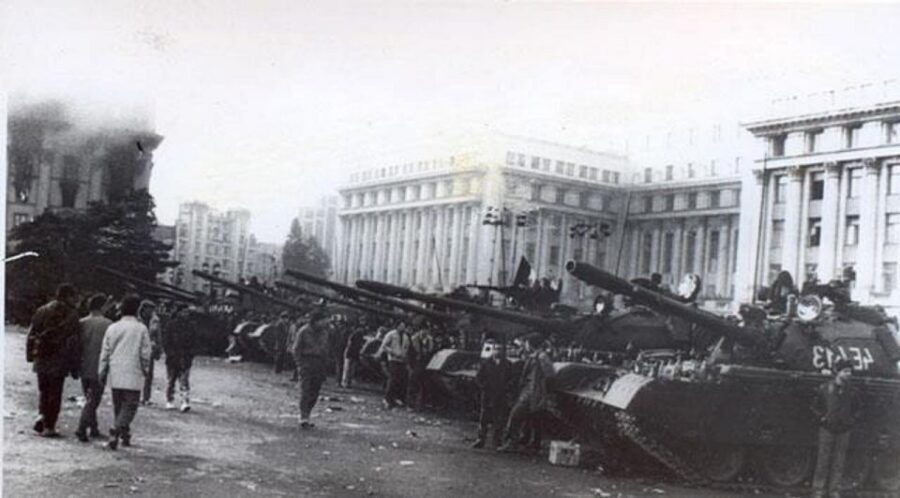
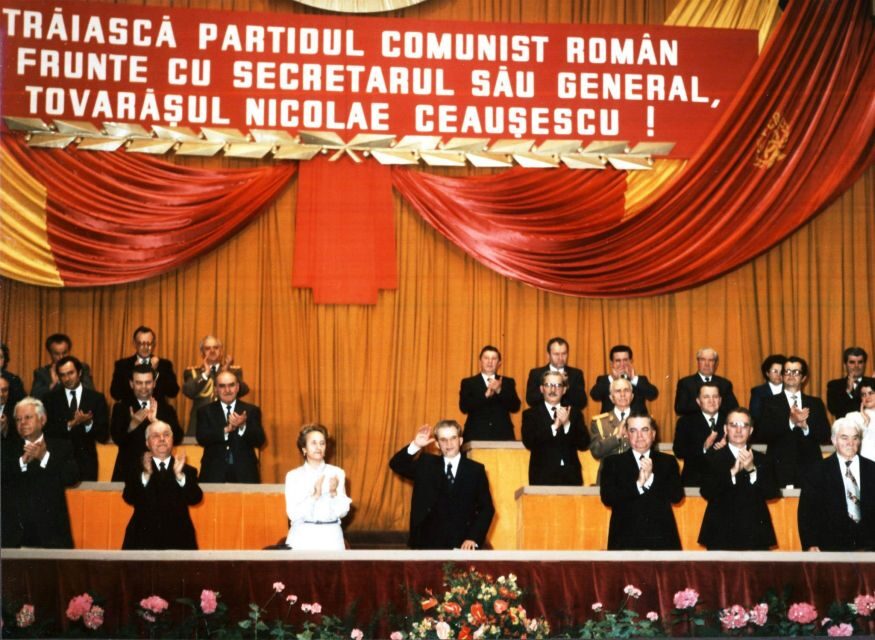
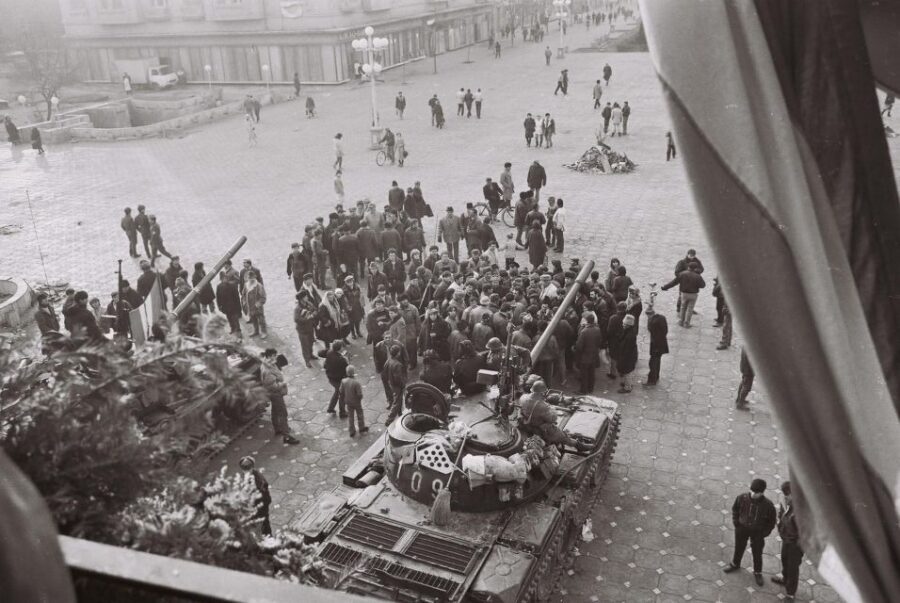
The final “story punch” lands at Revolution Square, with about 20 minutes for the guided visit and sightseeing time. This is where the tour ties together the last days of Nicolae Ceaușescu, the revolution, the trial, and the execution.
The tour also frames Ceaușescu’s personal arc—his poor background and rise to power—and it notes the scale of imprisonment and rule: 4 classes, 6 years in prison, then 25 years of dictatorships. That combination sounds almost too stark until you connect it to what totalitarian leaders often do: convert power into destiny, and turn control into a self-justifying system.
And then you end with the human side of the collapse: the idea that a group of agitators plotted the end of the regime in this place. When you reach the end, you’re not just leaving with facts—you’re leaving with a sense of momentum, how things can tip when fear breaks and people decide to act.
What life under communism looked like on the ground
This tour’s best moments aren’t only about the palace and squares. They’re about the regime’s grip on daily life—and the tour gives you concrete examples.
You’ll hear about food rationing, including the startling detail of an around-2000 calories/day diet driven by limited supplies, described with amounts such as 500 g of cheese, 10 eggs, and 1.5 kg of meat per month. Even if you never face rationing yourself, those numbers make policy feel real. They turn ideology into stomach reality.
You’ll also learn about the secret police, and how a security apparatus changes behavior, not just careers. That’s one of the reasons the Revolution Square ending hits: you understand what people risked, and why the final collapse mattered so much beyond power politics.
Finally, the tour connects repression to planning: the demolition of neighborhoods and households isn’t only a construction story. It’s a social strategy—move people, disrupt networks, replace familiar life with forced new routines.
Price and value: is $23 worth 2.5 hours?
At $23 per person for 2.5 hours, this is the kind of tour that tends to work because it’s priced to keep it accessible, while still covering major sites. The big value is time efficiency: you get a guided explanation that connects several important Bucharest landmarks into one political narrative.
Two practical notes affect your true cost:
- Entrance tickets are not included, so if you choose to pay on-site for any buildings that require admission, budget extra.
- Food and drinks are not included, which matters if you plan to continue exploring after the tour.
What you’re really paying for here is interpretation: the guide turns a pile of monuments into a cause-and-effect story about communism in Romania, ending with Ceaușescu’s fall.
Who should book this tour (and who should think twice)
This experience is a great match if you:
- Want political history you can see, not just read.
- Like when a guide answers questions and keeps the pace moving (people have praised that style).
- Are interested in how oppressive regimes operate through daily life, not only speeches and slogans.
You might want to think twice if you:
- Prefer long inside visits or museum time. The stops are guided and timed, so your deep-dive time is limited.
- Don’t want heavy topics like imprisonment, secret police power, trial, and execution. The tour is built around those realities.
Should you book this Bucharest communist tour?
If you want a guided walk that explains why Bucharest looks the way it does—and why that look came with real harm—this is an easy “yes.” The $23 price point makes it reachable, and the route is focused on the places where the communist era left its most visible marks.
My advice: go with curiosity and a willingness to connect the dots. If you do, you’ll finish the tour with a clear picture of how Lenin-era ideology evolved into Ceaușescu-era oppression—and how the story ended at Revolution Square.
FAQ
Where does the tour start?
Meet at Bulevardul Unirii 5, next to the Coffee shop Constitutiei.
How long is the tour?
The duration is 2.5 hours.
What does it cost?
The price is $23 per person.
What’s included in the price?
A local guide is included.
Are entrance tickets included?
No. Entrance tickets are not included.
Is there food or drinks provided?
No. Food and drinks are not included.
What languages is the tour offered in?
The tour is offered in English and Romanian.
Do I need to arrive early?
Yes. Please arrive 10 minutes before the activity starts.
Is the tour refundable if plans change?
There is free cancellation. You can cancel up to 24 hours in advance for a full refund.
Can I reserve without paying right away?
Yes. The option offered is reserve now & pay later, so you can book and pay nothing today.