REVIEW · BUCHAREST
Bucharest: Charm of the Belle Époque Private Tour
Book on GetYourGuide →Operated by Unveil Romania Travel Planner · Bookable on GetYourGuide
A stroll through Belle Époque Bucharest. This private 4-hour tour turns Victory Avenue and the Old City into one connected story, with architecture and nightlife culture explained in plain language. I especially like how the walk focuses on the city’s core architectural and cultural patrimony, then follows it with small details from the former cabarets, theaters, dance halls, inns, and beer houses that kept a century-old tradition alive. One heads-up: it’s a story-walk, not a museum marathon, so you’ll want to stay alert for photos and walking pace rather than expecting long time inside any single site.
The vibe is late 19th century, with Bucharest described as the Paris of the East, where Western and Eastern influences met through the reign of King Carol I and big European family links. You’ll see major landmarks tied to that era’s high society, from concert life at the Athenaeum to fashionable shopping at the former Lafayette Galleries, plus classic hangouts like Capsa Restaurant. If you’re hungry, plan ahead since meals and snacks aren’t included, and the tour is only four hours.
In This Review
- Key highlights worth prioritizing
- Victory Avenue: where Bucharest plays Paris of the East
- The Belle Époque architecture blend you can actually recognize
- Old City on cobblestones: cafes, lamps, and street musicians
- Athenaeum, Capsa, Lafayette Galleries, and the royal story thread
- Former cabarets and beer houses: nightlife that survived
- How the private 4-hour format changes your experience
- Price and value: what $104 buys you in Bucharest
- Who this Belle Époque walk fits best
- Should you book the Bucharest Charm of the Belle Époque Private Tour?
- FAQ
- How long is the Bucharest Belle Époque private tour?
- What does the tour cost?
- Is this a private tour?
- What’s included in the price?
- Are meals or snacks included?
- What languages is the tour guide available in?
- Is the tour wheelchair accessible, and does pickup include details?
Key highlights worth prioritizing
- Victory Avenue with a Champs-Élysées feel and a parade-like boulevard mood
- Belle Époque architecture mix: Neoclassic, Art-Nouveau, Baroque, Byzantine, and Brancovenesc blends
- Old City pedestrian lanes and cobblestones, with vintage cafes and old street lamps
- High-society landmarks tied to music, fashion, and royal power
- Former cabarets and theaters still in use, including century-old inns and beer houses
- A story-first guide approach that connects buildings to social life and culture
Victory Avenue: where Bucharest plays Paris of the East
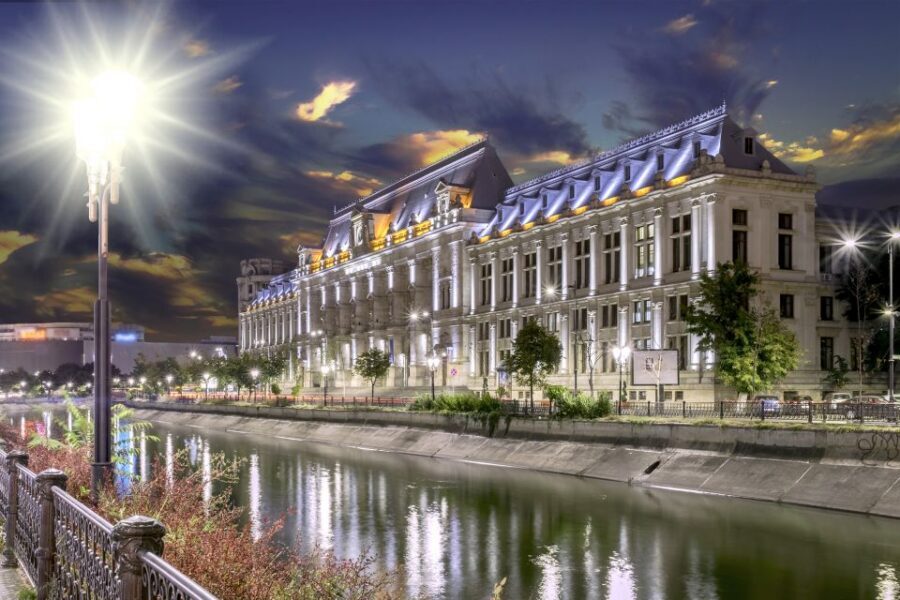
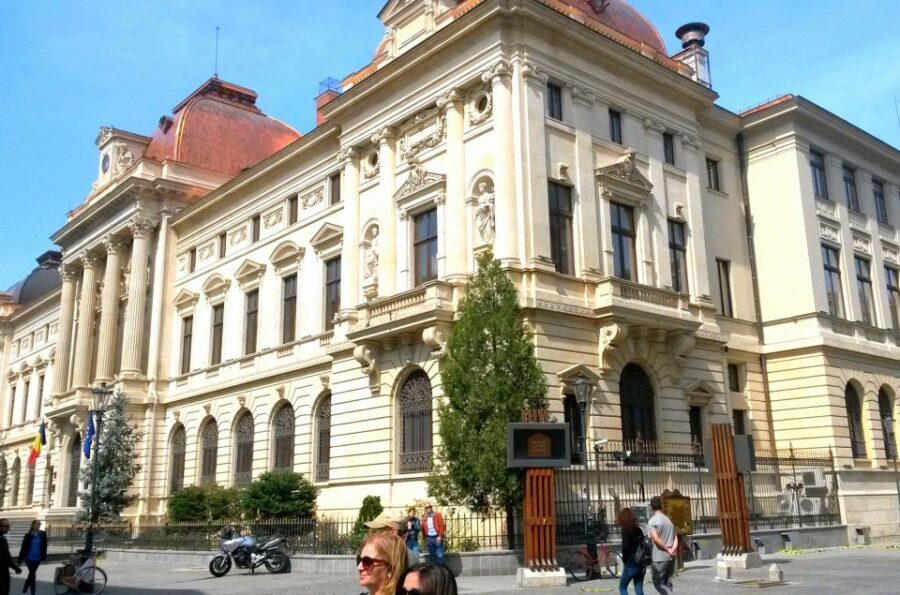
Victory Avenue is the kind of street that makes Bucharest feel bigger than you expected. It’s often compared to the Champs-Élysées, and on this tour you’re not just walking a handsome boulevard. You’re walking a timeline. The guide frames the area as the stage for a cultural boom, when Bucharest felt like a meeting place between West and East, with multicultural life showing up right in the buildings.
I like that the route is built like a narrative. You’ll move from one “chapter” to the next, instead of bouncing between unrelated stops. That matters because Belle Époque architecture can look impressive but confusing when it’s presented as a random list of facades. Here, you learn what was happening socially at the time—who used these spaces, what kinds of entertainment mattered, and how power and taste showed up in stone.
You’ll also get a sense of scale. Boulevards like this aren’t just for views. They were built for movement: promenades, social display, and that grand “we’re modern now” feeling. If you’ve been to European capitals before, this is the part that will click quickly because the boulevard logic is familiar—even if the details are distinctly Bucharest.
Practical note: you’re walking outdoors for a chunk of the tour. If weather is rainy or very hot, bring a light layer and plan for breaks when the guide asks you to slow down for the next explanation.
You can also read our reviews of more private tours in Bucharest


The Belle Époque architecture blend you can actually recognize
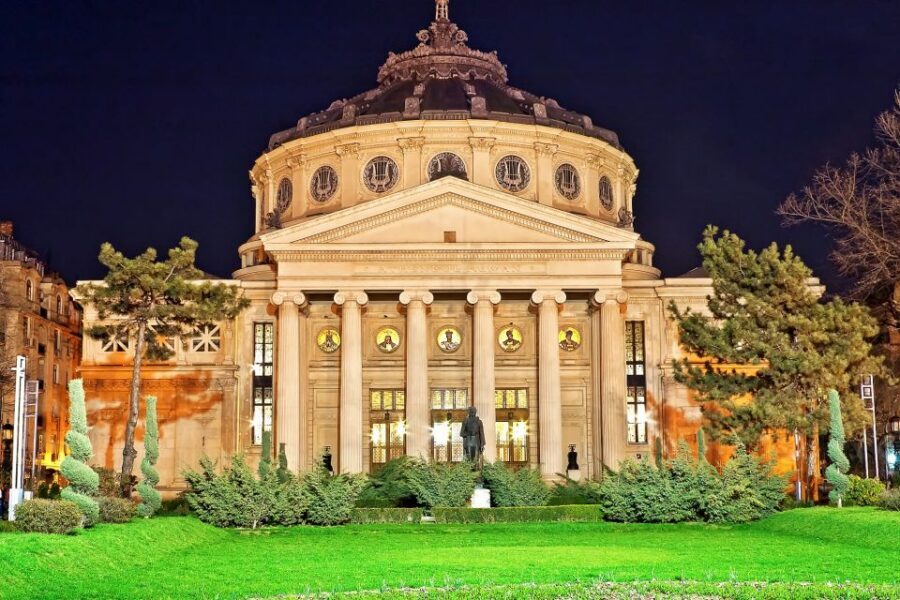
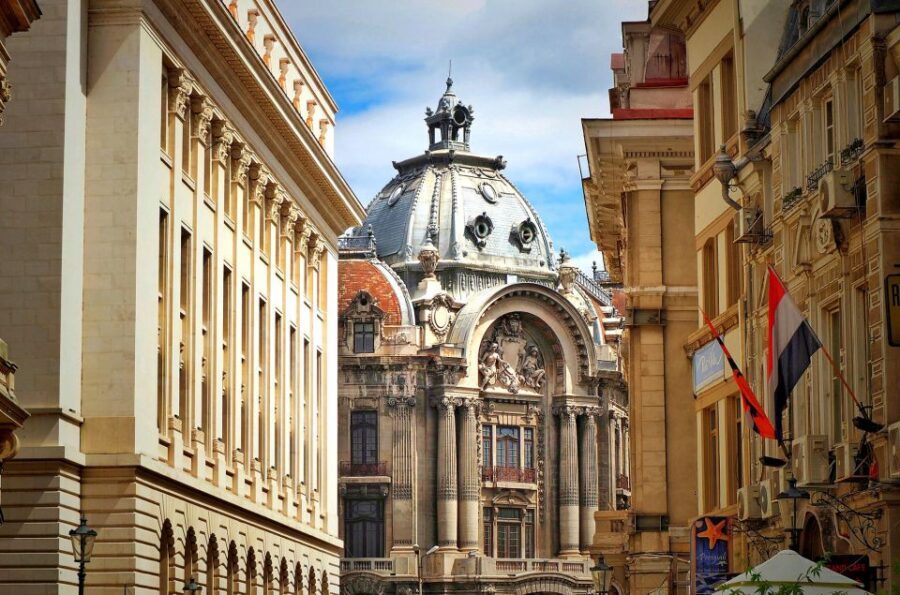
This tour’s architectural focus isn’t abstract. You learn to see how styles overlap in one city, and why that matters. In Bucharest’s Belle Époque world, you’ll encounter a mix of Neoclassic, Art-Nouveau, Baroque, Byzantine influences, and the local Brancovenesc tradition blending into what you see on the street.
What I like most is the way the guide ties style to identity. Instead of treating these facades like wallpaper, you get a sense that Bucharest was borrowing, adapting, and polishing a public image. That helps you notice things faster: ornament becomes a clue to taste, symmetry becomes a clue to influence, and the overall “language” of the street starts making sense.
A good moment to pay attention is when you move from one building to the next and the explanation shifts. One stop can lean more formal and classic. The next can feel more expressive. When you understand the why, it’s easier to photograph. And it’s easier to avoid that frustrating travel feeling where you take pictures but can’t explain what you saw.
This is also where the Brancovenesc mention becomes useful. Even if you’re not an architecture nerd, you’ll start spotting local character as part of the mix. That’s one reason the tour feels more satisfying than a standard “look at pretty buildings” walk.
Old City on cobblestones: cafes, lamps, and street musicians
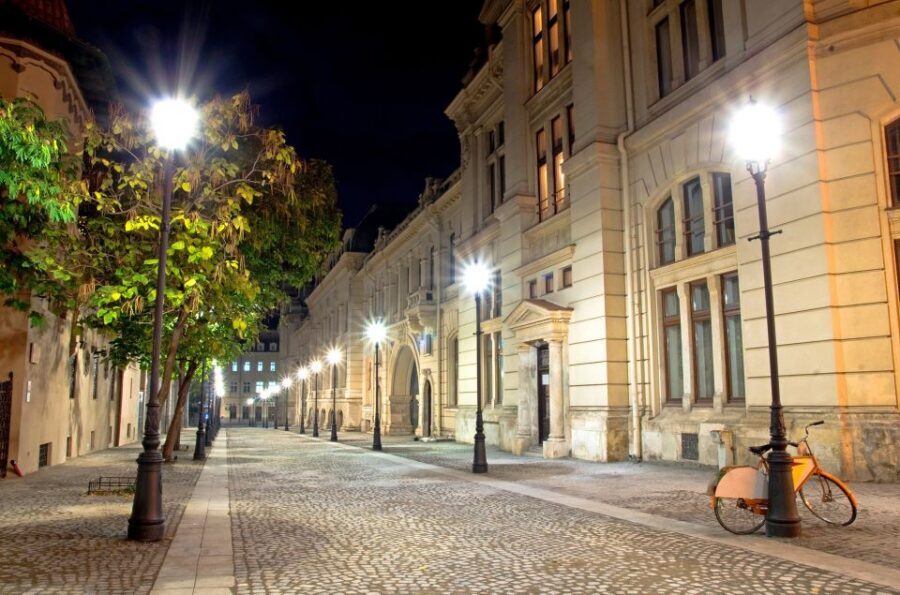
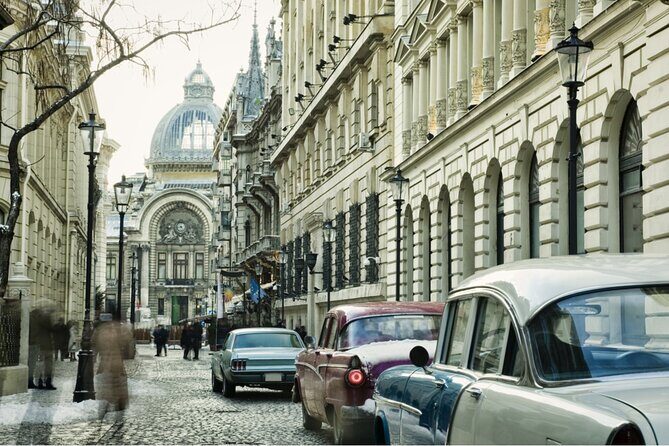
After the boulevard segment, the tour shifts into the Old City, where the atmosphere changes fast. You enter an area with a large pedestrian zone and cobblestone streets that give the whole walk an old-world glide. The buildings here have a different texture than the grand avenue. You get baroque architecture, vintage cafes, and street-level charm that feels like it belongs to another century.
I love how this part includes everyday details. The tour description highlights old street lamps, vintage cafes, bistros and lounges inside 18th-century houses, and even violin-playing street musicians. Those aren’t random add-ons. They match the Belle Époque idea: culture wasn’t limited to concert halls. It spilled into cafes, nightlife, and social meetings.
Also, you’re walking through places that carry long entertainment lives. Some spots were former cabarets, theaters, dance halls, or similar venues. Others still continue that same role today, operating as inns and beer houses with a tradition that goes back a century. It’s a reminder that history here isn’t only in buildings. It’s in habits.
What to watch for: the street-lamp and cafe moments are the easiest places to slow down and frame your photos. Use that time to listen rather than just look. When you’re hearing why the place mattered—who gathered there, what kind of evening it hosted—you’ll start to see the Old City as a social map, not just a pretty neighborhood.
One consideration: the cobblestones and pedestrian lanes can mean uneven footing. If you’re traveling with heels or very flexible shoes, consider sturdy walking footwear.
Athenaeum, Capsa, Lafayette Galleries, and the royal story thread
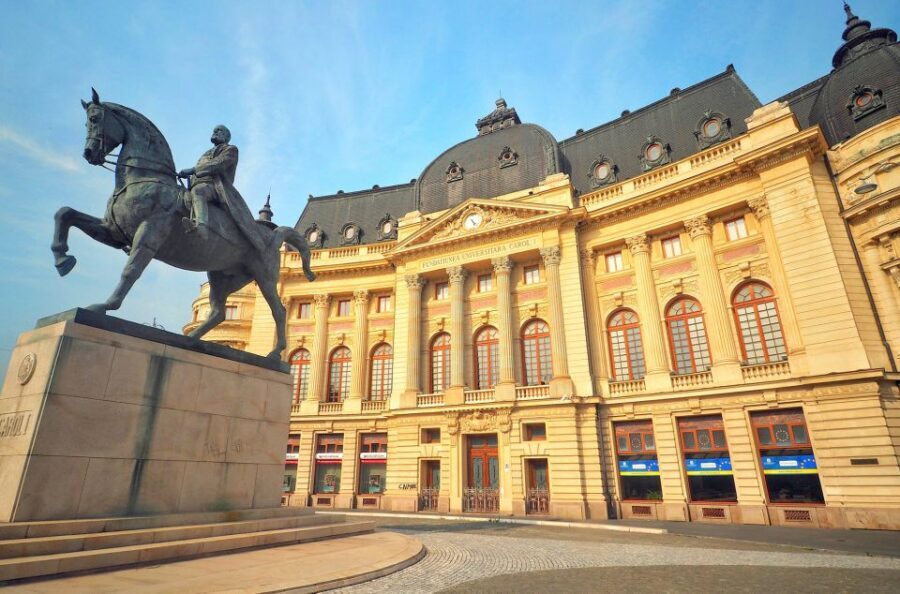
The Belle Époque “story” really strengthens when the tour lands on specific cultural and social power points. You’ll see landmarks that were high-society hot spots for the era, and the guide connects each place to what it represented.
Here are some of the stops that shape the tour’s core:
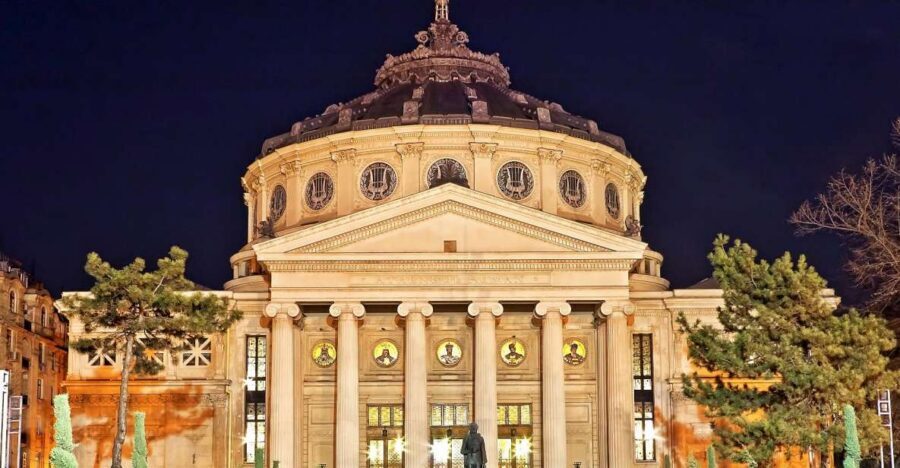
Athenaeum music hall
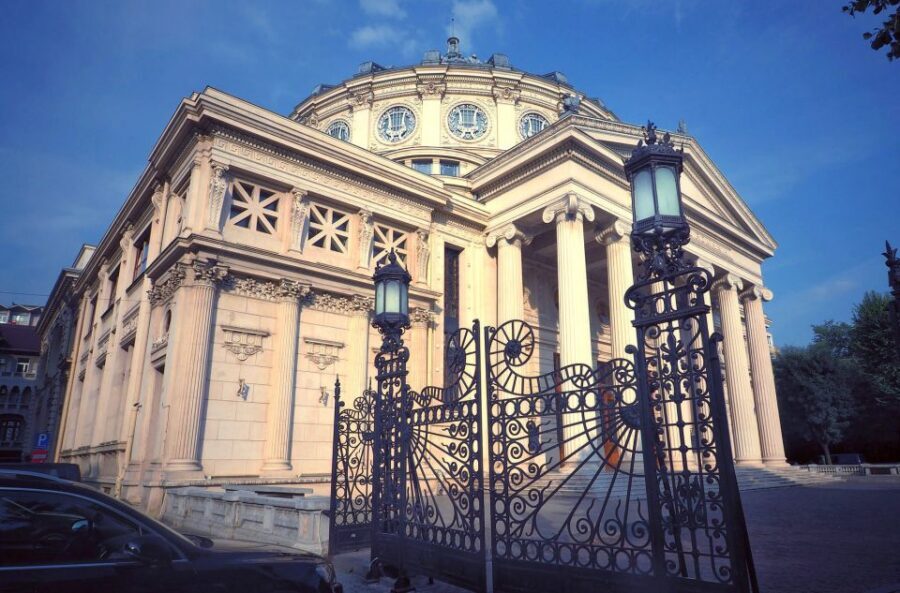
Music mattered during this period, and the Athenaeum gives that idea a physical anchor. Expect the guide to connect the building to concert life and the city’s cultural momentum.
The former Royal Palace
Power is part of the Belle Époque plot. Seeing the former Royal Palace on the route helps you understand why the city invested so heavily in image, architecture, and public culture.
Capșa Restaurant
This is one of the most evocative names on the walk. Capsa Restaurant is described as a meeting place for noblemen and artists. Even if you just pause outside, the “artist plus aristocrat” combo helps you visualize how culture and class blended in Bucharest.
Former Lafayette Galleries
This stop is about fashion and how Bucharest tracked Parisian trends. The idea that these galleries provided the latest Parisian fashion helps make the Paris of the East label feel grounded instead of promotional.
A palace tied to a famous 20th-century composer
The tour also highlights a palace associated with a major composer of the 20th century. That’s a nice bridge from Belle Époque optimism into the next era, showing how cultural prominence didn’t vanish after the 1800s.
Why this lineup works: it gives you more than pretty architecture. It gives you a social network. By the end, you can mentally connect music life, fashion, royal power, and creative gatherings along the same walk.
If you like tours that teach you how to read a city, this section is the payoff.
Former cabarets and beer houses: nightlife that survived
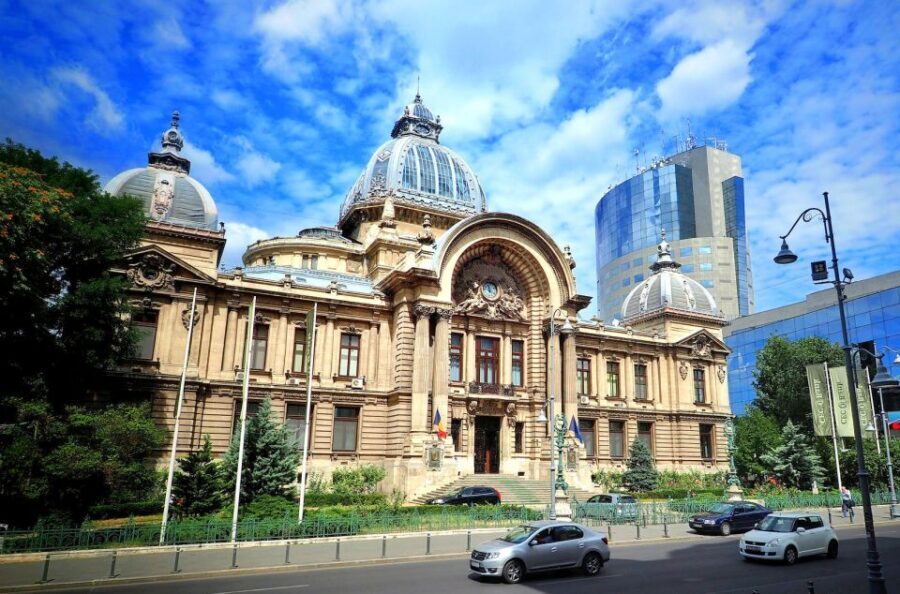
Belle Époque culture wasn’t only polite and formal. It also had swing, flirting, and late nights. This is where the tour gets especially fun. The Old City route includes sites connected to cabarets, theaters, dance halls, and other venues associated with social nightlife. You’re also told that some places still keep a century-old tradition going as inns and beer houses.
That matters because nightlife is often the easiest part of a city to misunderstand. People see a bar today and assume it’s modern. Here, you’re encouraged to think historically: what these rooms were for, what kinds of gatherings they supported, and how entertainment fit into everyday social life.
I also like the tour’s language around the era. It evokes Tango and Charleston dances, ball permits, fringed dresses, and secret love letters. Even when you’re not taking those details literally, it creates a useful mental picture. You start walking with the right question in your head: what would an evening here feel like?
One practical approach for you: when you stop near a site that used to be a venue, take 30 seconds to look at the street layout and the building frontage. Then listen to the guide’s explanation. If you do that, it sticks.





How the private 4-hour format changes your experience
This is a private group tour with hotel pickup and drop-off by car, and it lasts four hours. That format affects everything in a good way. Fewer people mean more flexibility. If you stop to take an extra photo or you want a clearer explanation on one building, the guide can adjust without dragging the pace for a big group.
The tour also includes a professional English-speaking guide. There’s mention of English and Romanian, which is great if you’re bilingual or if you want language options for understanding key points.
Hotel pickup means you don’t waste time hunting for the meeting spot. You just wait in your lobby near reception desk, and for apartment pickups you wait downstairs in front of the accommodation. That simple flow can save you energy, especially at the start of a day when you still feel jet-lagged or out of rhythm.
Also, it’s wheelchair accessible, so the walking plan is set up to accommodate different mobility needs. That’s useful to know even if you don’t use a wheelchair, since it usually signals more thoughtful pacing.
One small caution: the tour doesn’t include meals or snacks. Four hours can feel like a lot if you eat early, then get busy walking and listening. If you’re doing this in the middle of the day, plan a snack stop before or after so the story-walk stays comfortable.
Price and value: what $104 buys you in Bucharest
At $104 per person for a 4-hour private tour, you’re paying for two things: time and interpretation. In other words, you’re not just buying transportation and sightseeing. You’re buying a guide who turns the architecture and old venues into a clear social story.
Is that price “cheap” or “expensive”? It depends on your style. If you prefer independent wandering and you already love architecture, you might spend less on your own and spend more time researching. But if you want the city to click fast—how the Belle Époque identity formed, why these buildings look the way they do, and how nightlife and high society connected—this price can feel fair.
Here’s the practical value math:
- You get hotel pickup and drop-off.
- You get a professional English-speaking guide for a focused four-hour window.
- You get a private format that keeps attention on the story rather than crowd logistics.
- You get a route designed around a timeline, not random stops.
To me, that’s the key: the guide’s job here is not to list names. It’s to give you the thread that connects Victory Avenue, Old City streets, landmark buildings, and entertainment venues.
If you’re comparing costs, also think about what it would take to replicate the same quality on your own. In Bucharest, that usually means spending time reading, mapping, and still not getting the human context that makes the city memorable.
Who this Belle Époque walk fits best
This tour is a great fit if you:
- enjoy architecture with context, not just photos
- want a clear “story route” that helps you understand Bucharest’s identity
- like connecting culture to everyday life, especially nightlife and social spaces
- want a private guide so you can ask questions and move at a comfortable pace
It might feel less ideal if you want a long museum day, lots of indoor time, or a tour that includes a full meal. The format is street-focused, story-driven, and time-limited.
Guide note from real experience: guides like Michael and Emma are described as personable and strong on city and Romania context, with lots of interesting building stories. That kind of human storytelling is exactly what makes this tour work.
Should you book the Bucharest Charm of the Belle Époque Private Tour?
If you’re in Bucharest and you want the city to make sense quickly, I’d book it. This is the kind of tour where the walk itself becomes a learning tool: Victory Avenue sets the grand stage, the Old City gives you the atmosphere, and the guide stitches it all together with Belle Époque social life.
Book it if you want:
- a 4-hour private experience with pickup
- architecture explained through stories
- a focus on places tied to music, fashion, royal life, and entertainment culture
Skip it or consider another option if you hate walking, need scheduled lunch time, or prefer a self-guided pace with lots of solo wandering.
FAQ
How long is the Bucharest Belle Époque private tour?
The tour lasts 4 hours.
What does the tour cost?
The price is $104 per person.
Is this a private tour?
Yes, it’s a private group experience.
What’s included in the price?
Hotel pick-up and drop-off by car and a professional English-speaking guide are included.
Are meals or snacks included?
No. Meals and snacks are not included.
What languages is the tour guide available in?
The tour is available in English and Romanian.
Is the tour wheelchair accessible, and does pickup include details?
Yes, it is wheelchair accessible. Pickup is included, and you wait in your hotel lobby near reception desk (or downstairs in front of your apartment). You can also cancel up to 24 hours in advance for a full refund.