REVIEW · BUCHAREST
2-Day Medieval Transylvania with Brasov,Sibiu and Sighisoara Tour from Bucharest
Book on Viator →Operated by One Excellence Tours · Bookable on Viator
Transylvania in two days, no stress. This tight route strings together Peles and Bran with medieval towns like Brașov and Sighisoara, using comfortable round-trip transport from Bucharest. You’ll move fast, but the stops are built to feel human, not like a cattle line.
I love the guided context—the stories, traditions, and legends your guide ties to what you see. And I also like the time on the ground, with walking tours in Brașov and Sighisoara (plus the clock tower view), not just drop-off sightseeing.
The main thing to consider is the trade-off: you’ll spend a lot of time in the vehicle, and castle entry, meals, and the Sighisoara hotel are extra.
In This Review
- Key things that make this tour worth your time
- Why this 2-day Transylvania route works from Bucharest
- Peles Castle and Bran Castle: two different moods, two good photo missions
- Brașov historical center: medieval streets that are actually walkable
- Sighisoara overnight: why sleeping there changes everything
- Day 2 in Sighisoara: Dracula roots and a clock-tower payoff
- Sibiu and the Olt River drive back: culture plus big views
- The guide makes the difference (and names matter)
- Price and value: what $120.98 gets you, and what doesn’t
- Practical tips so your days don’t get messy
- Should you book this 2-day Transylvania tour?
- FAQ
- What cities and stops are included in this 2-day tour?
- Where do you meet in Bucharest, and what time does the tour start?
- Is the Sighisoara hotel included?
- Are entrance fees to the castles included?
- Will you always enter Peles Castle?
- What languages is the tour offered in?
- How much walking is involved?
- What about group size?
- Is food included?
- What happens if weather is bad?
Key things that make this tour worth your time
- Two castles plus two medieval towns in a compact 2-day plan
- Overnight in Sighisoara so you’re not only driving past it
- Clock tower views in Sighisoara from the top of the old citadel
- Brașov’s medieval core with stops at the City Hall clock tower and Black Church area
- An expert guide on board who explains the why behind the wow
Why this 2-day Transylvania route works from Bucharest
If you’re short on time (or you’re tired of one-day castle sprints), this is the kind of itinerary that makes sense. You leave Bucharest in the morning, roll through the Prahova Valley region, and then settle into Sighisoara overnight. That one change—sleeping in the middle of the story—helps you see Transylvania as more than a highlight reel.
The tour also gives you a guided structure across four major stops: Peles Castle, Bran Castle, Brașov, then Sighisoara, followed by Sibiu. Between them, you’re not stuck guessing where the best viewpoints are or what the buildings meant in their original setting. The guide’s onboard commentary matters because you’re traveling through an area where legends (Vlad Dracula included) are tied to real places.
One more practical plus: the transport is round-trip from a central Bucharest meeting point, in an air-conditioned vehicle. Reviews often mention the comfort factor on long days, and in a 2-day loop like this, it genuinely makes a difference.
You can also read our reviews of more tours and experiences in Bucharest
Peles Castle and Bran Castle: two different moods, two good photo missions
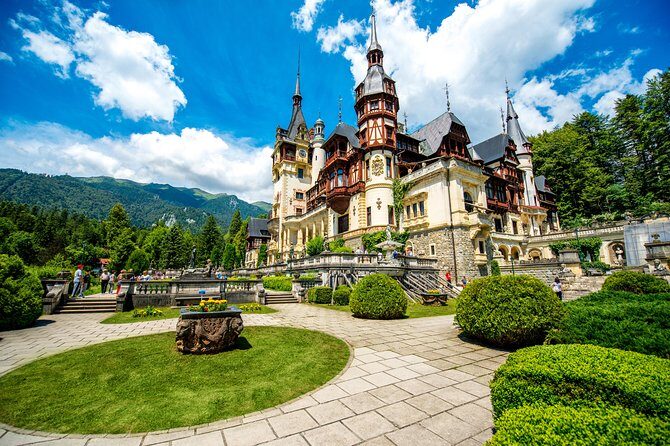
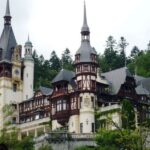
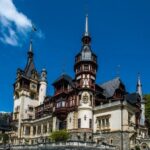
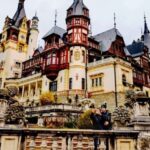
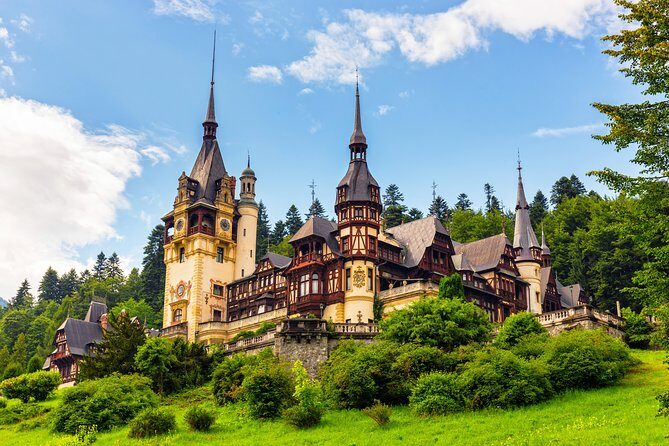
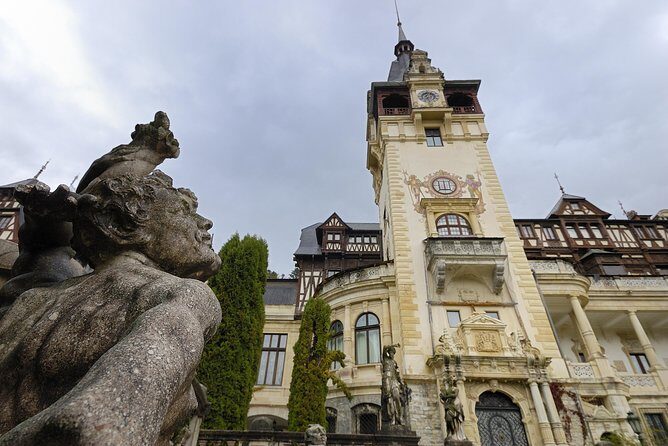
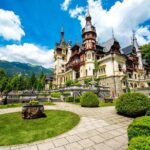
Day 1 starts with one of Romania’s most striking castles: Peles Castle. You get about two hours there, which is usually enough time to appreciate both the exterior architecture and the palace vibe without feeling rushed. It’s a 19th-century royal palace tied to German Renaissance decoration, so it feels different from the more fortress-like aura many people expect in Transylvania.
Important timing note: Peles Castle isn’t open every day. It’s closed on Mondays year-round and on Tuesdays. There are also a specific shutdown window from 3rd November to 2nd December. If your dates fall inside those closures, you may only see the castle from the outside rather than go in.
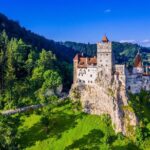
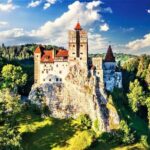
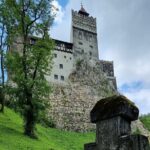
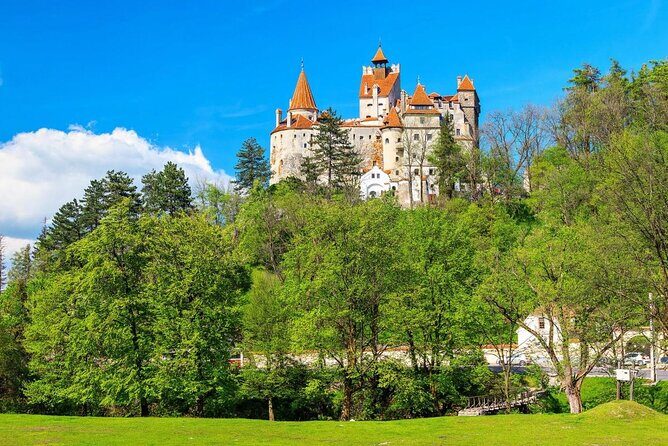
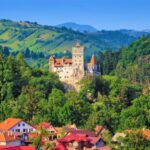
Next stop is Bran Castle, the one most people associate with Dracula. It’s often described as Dracula’s Castle, but the more interesting angle is its strategic location. It originally functioned as a fortress at a former border between Wallachia and Transylvania. The guide’s job here is to connect the legend to the historical geography—so you understand why the fortress mattered, not just why the movie posters get attention.
You’ll also get about two hours at Bran, with free time on site. That’s good because Bran can be crowded and fast-walking people tend to miss details. With time, you can take a breath, read the context, and decide what to focus on.
One practical tip: castle admission isn’t included. You’ll want to be ready to pay entry fees separately, and it helps to carry cash. One group reported that entrance fees were around 200 RON (about $22 USD) per castle, so being short on money can slow down your pace.
Brașov historical center: medieval streets that are actually walkable
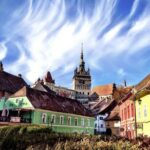
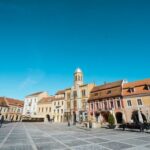
After the castle-heavy morning, you shift into city mode in Brașov. The historical center tour is a guided walk that starts around the main square. You’ll see the old City Hall with its clock tower, the Gothic Black Church area, and the fortification lines that helped protect the city. You also get the fun details: craftsmen guild references and the narrowest street in Europe.
This stop is one of the best “balance” moments of the whole trip. You’ve already had heavy castle impressions, and Brașov gives you medieval life at a street level. It’s also practical: a walking tour of around 45 minutes doesn’t exhaust you before the drive toward Sighisoara.
The drawback? You’ll still be on a schedule, and Brașov’s streets mean cobblestones and uneven footing. If you’re prone to sore feet, plan for that now and wear sturdy shoes. It’s a small detail, but it can make the difference between enjoying the last stop of the day and feeling annoyed at every step.
Sighisoara overnight: why sleeping there changes everything
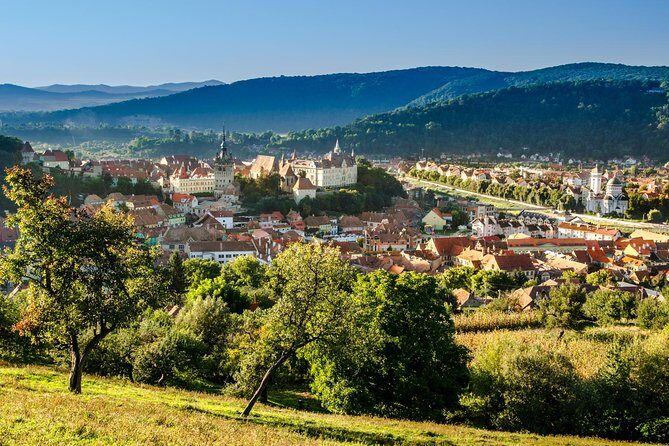
Most fast tours “visit” Sighisoara. This one helps you experience it. You reach Sighisoara on Day 1 evening and then sleep there overnight. That matters because the citadel’s atmosphere hits differently when you’re not arriving only for a quick daytime stop.
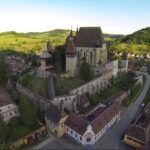
Sighisoara is known for being one of Europe’s few permanently inhabited citadels. That means you’re not looking at a theme park version of the past. You’re walking through a living historic center where everyday life and medieval architecture share the same space.
One key thing to plan early: overnight accommodation in Sighisoara is not included. You choose your own hotel. Some readers found this wasn’t obvious enough in their planning, so if you’re booking this tour, don’t wait until the last minute. Pick a place in or near the citadel area if you want an easier time with evening strolls.
The good news: once you’re there, you’ll have the advantage of settling into the place rather than racing out again the next morning.
Day 2 in Sighisoara: Dracula roots and a clock-tower payoff
After breakfast, you head into the historic core for the medieval citadel walking tour. The focus here isn’t random wandering. You’ll learn how the citadel functioned, why it stayed inhabited, and how the local story connects to the Dracula legend through Vlad Dracula’s birthplace—including the house associated with him.
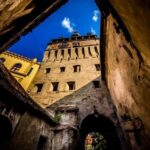
Then comes the highlight that many people remember most: the climb to the top of Sighisoara’s old 500-year-old clock tower. It’s one of those payoffs where the view makes the effort worth it. From above, you can see the layout of the citadel walls and the rooftops that make the whole area so photogenic.
The tour duration for this morning walk is about an hour, with the clock tower included as part of the experience. That’s the right length for a city where everything is close—but still hilly and uneven once you start climbing.
One consideration: you need moderate physical fitness for this overall itinerary. That doesn’t mean you should skip it, but it does mean you should be comfortable with cobblestones, some stairs, and walking after a full Day 1.


Sibiu and the Olt River drive back: culture plus big views
After Sighisoara, the next stop is Sibiu, also known historically as Hermannstadt. Sibiu is tied to the German Saxon community that has lived there for centuries, and you’ll feel that influence in the city’s architecture and layout.
Sibiu’s guided highlights include the Great Square, the Brukenthal Museum area, and the Bridge of Lies—a local landmark with a famous name that draws in plenty of curious questions. Your guide’s context helps here, too, because it’s not just about the legend; it’s about what the bridge and the surrounding old town areas meant to people back then.
Then you get the drive portion: you travel along the spectacular Olt River valley on the way back toward Bucharest. This is the part where you can stop thinking about checklists and start enjoying the road. The tour is built to include scenic views during transit, so you’re not stuck staring at the back of the seat the entire time.
Sibiu adds a different flavor than Brașov. If Brașov feels like medieval street life, Sibiu feels more like a compact old European capital with German-influenced urban planning—without needing a full separate trip.
The guide makes the difference (and names matter)
On tours like this, the guide isn’t just there to point. They’re there to connect. And the strongest theme from the best experiences on this route is that the guide is patient, clear, and full of stories you can actually use while you walk.
You’ll see names come up often—Alex, Marius, Emanuel, Bogdan, Nicolas, Sergiu, and Julian—and the common thread is how they handle questions. Guides are also praised for being careful and confident drivers on long car days, which is not a small deal on mountain roads.
What you should expect from a good guide on this itinerary:
- Context for legends (including Vlad Dracula) tied to the geography you’re seeing
- Clear pacing so you’re not constantly rushing between photo stops
- Useful pointers like how to avoid stress while moving through crowded areas
If you tend to prefer history told like a story rather than a textbook, this format usually fits well.
Price and value: what $120.98 gets you, and what doesn’t
At $120.98 per person for a 2-day tour, the value comes from the structure: transportation, a professional guide, and guided walking tours across several major sites. You’re also getting an efficient use of time. Without a plan like this, you’d need to sort logistics—drivers, timing, ticket queues, and routing—across multiple cities.
Here’s what you still need to budget for:
- Food and drinks (unless specified)
- Castle entrance fees (not included)
- Hotel in Sighisoara (not included)
That last item can swing your total cost more than you expect, depending on the hotel you choose. The tour price covers the experience itself, not the overnight stay.
Also plan your spending strategy for entrances. Because admission isn’t included, you’ll want a simple plan:
- Bring cash for easier payment
- Consider entry timing so you don’t lose time while everyone scrambles for money
The good news is you do get free time at each main stop, so you can use your guided time well and then spend your remaining minutes on what you personally care about most.
Practical tips so your days don’t get messy
This itinerary can feel effortless—until you hit the details. Here are the details worth acting on:
1) Wear shoes for cobblestones and stairs.
Brașov and Sighisoara are built on uneven old-town surfaces. If your feet aren’t happy, the whole tour feels longer than it needs to.
2) Expect long driving blocks.
The trade-off for hitting multiple cities in two days is time in the vehicle. The upside is scenery and onboard commentary. Still, pack water and plan for a calmer approach to the day.
3) Check Peles Castle opening patterns.
Peles is closed on Mondays and Tuesdays year-round, and also between 3rd November and 2nd December. If you’re traveling in those windows, you may not go inside.
4) Be ready for separate payments at castles.
Castle entry isn’t included. Bringing enough cash helps avoid delays.
5) Stay alert on communications.
There have been issues in some experiences when departure time or meeting point changed and people didn’t catch the message in time. Your safest move is simple: keep your phone available the evening before and double-check any update emails/messages the day of departure.
Should you book this 2-day Transylvania tour?
Book it if you want a fast, structured introduction to Transylvania that mixes major castles with real medieval towns. The overnight in Sighisoara is a big selling point, because you’re not only driving through the most atmospheric part—you’re actually there.
Skip (or choose a slower version) if you hate travel days with lots of driving. Also consider your budget honestly: the tour price is only part of the total once you factor in Sighisoara lodging and castle entries.
If you like being guided—especially by a guide who can explain the legends behind the stones—this is a strong pick. And if you’re traveling in a period when Peles is closed, go in knowing you may only get exterior views, then focus your expectations on Bran, Brașov, and Sighisoara.
FAQ
What cities and stops are included in this 2-day tour?
You’ll stop at Peles Castle, Bran Castle, the Brașov Historical Center, Sighisoara, and Sibiu, with scenic driving through the region between them.
Where do you meet in Bucharest, and what time does the tour start?
The tour starts at Stație Taxi Universitate, Bulevardul Nicolae Bălcescu 4, București, and the departure time is 7:30 am.
Is the Sighisoara hotel included?
No. Overnight accommodation in Sighisoara is not included, and you arrange your own stay.
Are entrance fees to the castles included?
No. Entrance fees are not included, and the tour offers free time at the castle sites.
Will you always enter Peles Castle?
Not necessarily. Peles Castle is closed on Mondays year-round and on Tuesdays. If your tour falls on those days, you may see it from the outside.
What languages is the tour offered in?
The tour is offered in English, with live commentary onboard.
How much walking is involved?
The tour requires moderate physical fitness, and you’ll do walking tours in old city centers, including climbing steps for the clock tower in Sighisoara.
What about group size?
This tour has a maximum of 48 travelers, and it’s described as a small-group experience.
Is food included?
Food and drinks are not included unless specified.
What happens if weather is bad?
This experience requires good weather. If it’s canceled due to poor weather, you’ll be offered a different date or a full refund.