REVIEW · BUCHAREST
Tuk Tuk Bucharest Private Tour – Unique Experience.
Book on Viator →Operated by Tuk Tuk Bucharest Tours · Bookable on Viator
A tuk-tuk makes night Bucharest easy. This private tour glides past Bucharest’s top landmarks with minimal walking, and you can steer where you go next. It’s built for a first visit, with a clear focus on the city’s communist-era story.
I love the comfort extras: blankets, umbrellas, and snacks, so the ride stays cozy even when temperatures drop. I also love the human touch from guides like Robert and Valentin, who connect the monuments with the why behind them. One thing to consider is that photo stops are short, so if you want long museum time, you’ll likely want to add a daytime follow-up.
In This Review
- Key highlights at a glance
- Night Bucharest by tuk-tuk: why it works so well
- Picking your stops around Palatul CEC and the National Museum
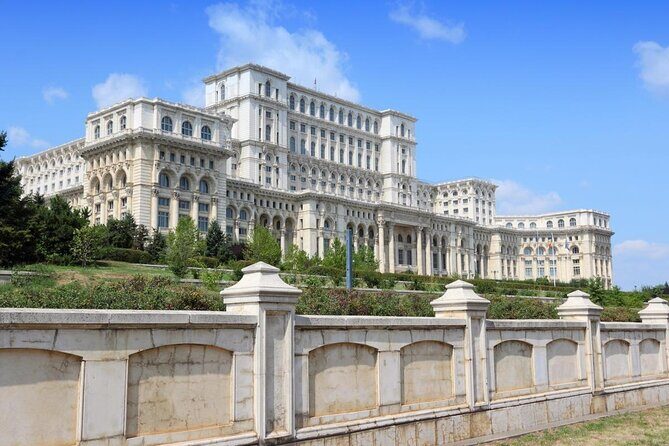
- The Palace of Parliament: the stop people remember
- Water Symphony fountains and the city’s main communist-era artery
- A quick hit at the oldest hospital in Bucharest (built in 1704)
- University Square: a dense cluster of landmarks in one stop
- Ateneul Roman: the classical-music icon moment
- Revolution Square and the end of communism story
- Triumph Arch (Arcul de Triumf): photo-friendly access
- Dorobanți: the exclusive neighborhood vibe, briefly
- Price and what you actually get for $84.10 per person
- Logistics that matter: pickup, meeting point, and comfort
- Who this tuk-tuk tour suits best
- Should you book this Tuk Tuk Bucharest Private Tour?
- FAQ
- How long is the Tuk Tuk Bucharest tour?
- What is the price per person?
- Is this a private tour?
- Is pickup available, and where does it meet?
- What language is the tour offered in?
- Is a mobile ticket included?
- Are entrance tickets included for the stops?
- What sights are included on the route?
- Can service animals join the tour?
- What happens if the weather is poor?
Key highlights at a glance
- Choose your route and pace: It’s private, so your group calls the shots.
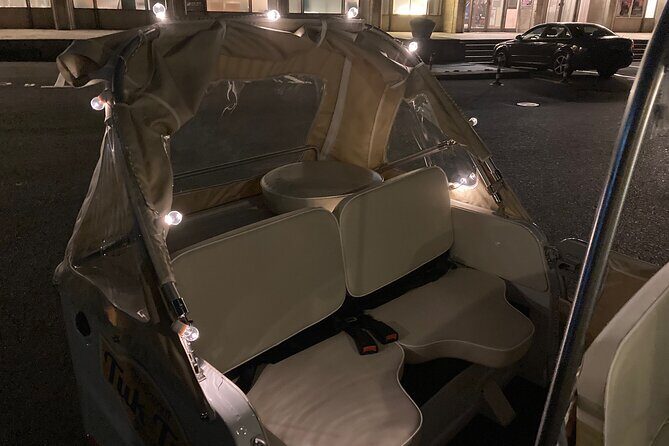
- Night-friendly photo time: The tuk-tuk setup helps reduce window glare for pictures.
- Comfort perks on board: Blankets, umbrellas, snacks, and water help you stay comfortable.
- Big communist-era landmarks: You’ll see the Palace of Parliament and the squares tied to 1989.
- Designed for low-walking touring: Great if you’re tired, mobility-limited, or just want quick wins.
- Traffic-aware driving: Guides handle busy roads while keeping the ride feeling smooth.
Night Bucharest by tuk-tuk: why it works so well
Bucharest can be a “walk-and-wait” city. This is the opposite. You ride close to the action, so your time goes toward seeing and photographing, not crossing streets and hunting for parking. For a first night, that’s a real advantage.
The other smart thing: you’re not stuck with a rigid route. This is a private tour, offered in English, and you can customize your stops. That means you can lean into architecture, focus on communist history, or just grab the best photo angles you care about most.
And since it’s a night tour, the lighting does part of the work for you. Even when the stops are brief, the city looks more dramatic and easier to photograph than in harsh midday light.
You can also read our reviews of more private tours in Bucharest

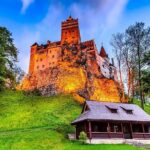
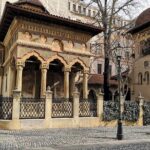
Picking your stops around Palatul CEC and the National Museum
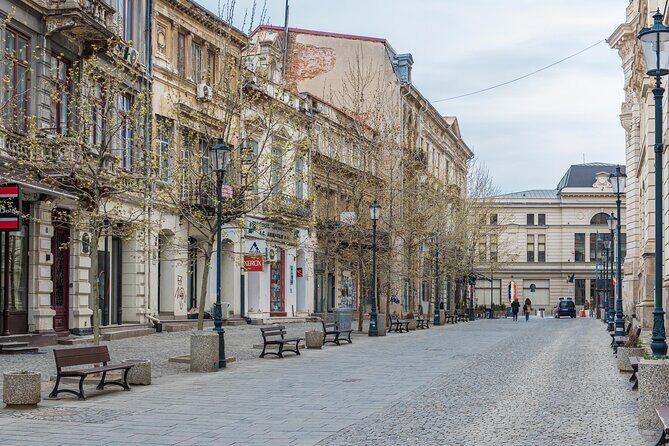
Your first photo stop is Palatul CEC, the iconic building tied to the first Bank of Romania. Even if you don’t know Romanian banking history, the architecture makes the pause worth it. It’s one of those “you’ll recognize it” façades that sets the tone for the Old Historical Centre area.
Right next door you get the National Museum of Romanian History, which opened in 1972. The museum is positioned in the same historic zone, so the visual shift from street to grand landmark feels natural. The stop time is short, so treat this as a quick orientation moment—you’re getting context so later visits make more sense.
If you’re the type who likes to read every placard, you might wish for more time here. But the value is that you’re learning what to look for, without burning half a day on the first stop.
The Palace of Parliament: the stop people remember
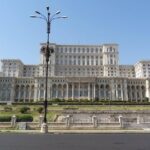
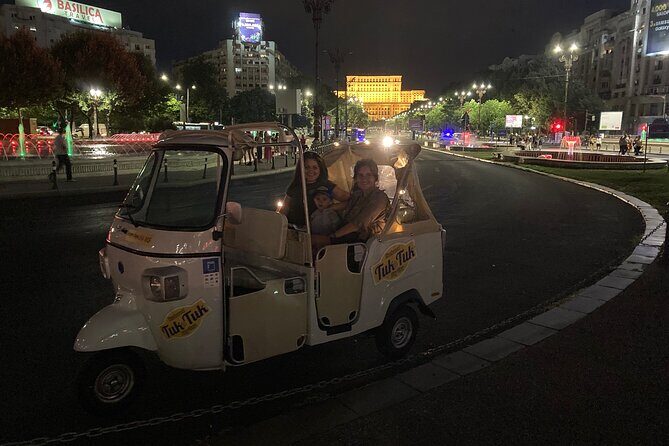
The Palace of Parliament is usually the headline. This tour gives you a dedicated photo stop, and it’s described as probably the best moment on the route. Even with limited time, it hits hard visually—and it’s central to understanding Bucharest’s later 20th-century political identity.
Here’s why I think this stop is so practical: it acts like a landmark anchor. Once you see it, you’ll start noticing the city’s layout, power symbolism, and where the major roads and squares sit. Even if you later tour inside (tickets not included on this stop), you’ll have the outside view locked in.
In the real world, you may find roads around it can be busy. The guides are used to that rhythm and plan for photos where vehicles can stop safely.
Water Symphony fountains and the city’s main communist-era artery

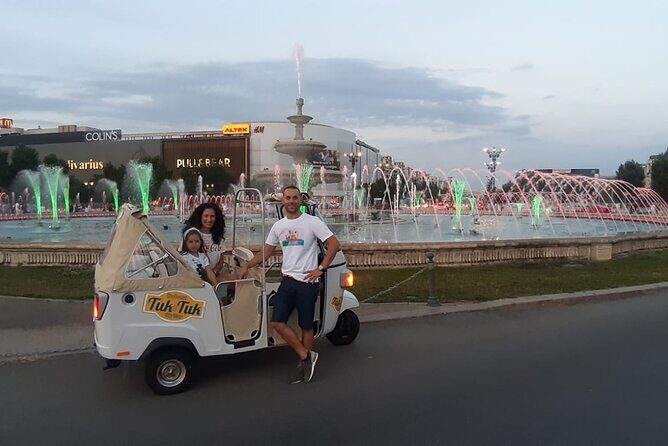
A big chunk of the tour centers on Bucharest’s communist-era landmarks, and the fountains are a key piece of that theme. The fountains here are known for a Water Symphony show in summer, and this stop is framed as a chance to understand the era through how public spaces were used and staged.
Next you’ll see the boulevard-style main artery that’s often compared to Paris’s Champs-Élysées in scale and layout. The point isn’t the comparison—it’s the urban planning idea: wide roads, big civic space, and a “show of state” feel that you can read just by how the streets open up.
This is a great area for photos because the view tends to be long and directional. If you’re traveling with someone who wants less “museum mode” and more “city theater,” this section usually lands well.
A quick hit at the oldest hospital in Bucharest (built in 1704)

One of the more surprising stops is an old hospital built in 1704. It’s not the kind of place you’d always pick as a first-night “must see,” but that’s exactly the point. Bucharest isn’t only about big political structures; it also has older layers that shaped daily life.
Because this is a brief stop, you won’t leave with a full medical history. You’ll leave with a visual thread: the city kept evolving in the background, even while major political chapters were being written.

University Square: a dense cluster of landmarks in one stop
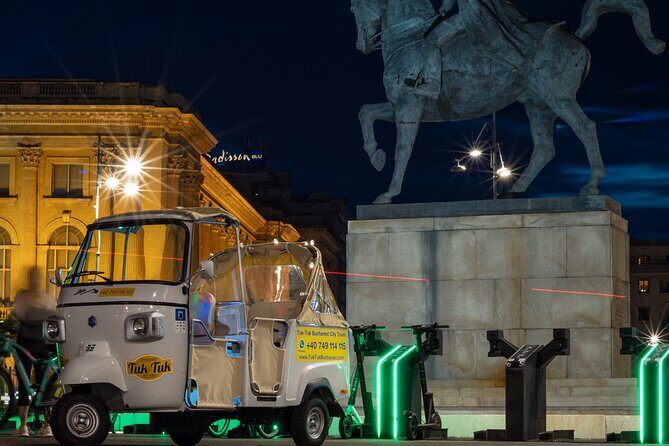
University’s Square is the kind of place you can get lost in—so getting a guided stop here is useful. The tour includes key landmarks in the same area, like Coltei Church, the Ministry of Agriculture Palace, the Sutu Mansion (also known as the Museum of Bucharest), the National Theater, and the University of Bucharest.
You also have a chance to see a building tied to the mayor’s cabinet, described as having Neo-Romanian style and overlooking Cismigiu Gardens. That’s a nice detail because it links civic power to a calmer green space right across the mental line in your head.
Stop times here are short, so you’re mainly doing what I’d call “spot-and-place.” You get the big names, learn how they relate, then you can decide what’s worth your next walk during the day.
Ateneul Roman: the classical-music icon moment
Next comes Ateneul Roman. It’s a concert hall and one of Bucharest’s iconic buildings, built in 1888 by public subscription. The tour frames it as the home of the International Classical Music Festival “George Enescu.”
Even if you aren’t planning to attend a concert, this stop is valuable because it broadens the story beyond state buildings. You see how Bucharest also promoted culture and public prestige. It helps your brain balance the city: one part monumental government, one part public arts.
Stop time is about five minutes, so again: think of this as a photo and orientation moment rather than a full exploration.
Revolution Square and the end of communism story
Revolution Square is where the end of communism happened in December 1989. This is one of the tour’s most emotionally loaded stops, and it’s also one of the most important for understanding modern Bucharest.
The practical benefit is that you’re not just hearing dates. Seeing the space helps you connect the narrative to real geography—where crowds gathered, where change became visible, and how the city memorializes that chapter.
Admission isn’t required for this stop, and the tour allows time for photos and quick context before moving on.
Triumph Arch (Arcul de Triumf): photo-friendly access
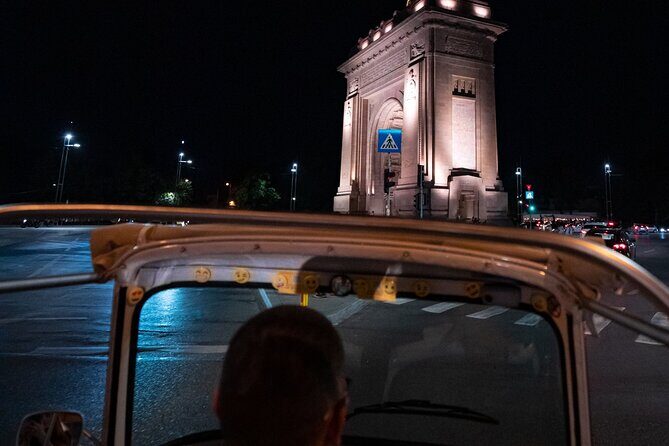
You’ll stop right by Triumph Arch (Arcul de Triumf), with a detail that matters for photographers: this is one of those moments where no other vehicle can park for the best photos. You can also choose to go around or stay underneath the arch.
This is a great “end-of-tour” style stop because it gives you a clean backdrop for pictures and a satisfying finish to the route. Plus, the arch feels like a change of pace after heavy political landmarks—more light, more sky, more open space.
Dorobanți: the exclusive neighborhood vibe, briefly
The last stop is Dorobanți, described as Bucharest’s most exclusive neighborhood with older villas and varied architecture. Even if you only get about ten minutes, it’s a useful contrast to the tour’s earlier communist-era focus.
This short ending works well because it leaves you with a different Bucharest image—less about the state, more about residential character and the feel of wealth and style. If you want, you can use that first impression later to guide where you might explore on foot.
Price and what you actually get for $84.10 per person
At $84.10 per person, this tour sits in a mid-range spot for a private experience. What makes the math work is the combination of: a private group setup, a route that covers major landmarks, and comfort support (blankets, umbrellas, snacks, and water). That’s not just “transport”—it’s a smoother way to see more in less time.
You’re also paying for convenience. The tour includes pickup, and free pickup is offered from any hotel/address in downtown Bucharest. So you’re not spending energy coordinating meeting points at the start or wrestling with transit after.
One more value point: it’s built for a 1 to 2 hour window. That’s ideal for jet lag or a night when you don’t want a long, drawn-out sightseeing day.
If you love slow museums and long indoor stops, you’ll likely find this tour better as a “high-impact overview.” If you want quick bearings and strong photos with minimal walking, it’s a strong fit.
Logistics that matter: pickup, meeting point, and comfort
The meeting point is Strada Doamnei 8, București 030167, with pickup in front of the National Bank of Romania on that same street (next to Hilton Garden Inn Old Town Hotel). You’ll be picked up for free from any hotel/address in downtown Bucharest.
This kind of setup matters because night tours can be tricky if your hotel is far from major landmarks. A smooth pickup reduces stress and helps you start on time.
Once you’re on board, the comfort touches make a difference. Multiple guides provided blankets (especially useful in fall visits), and umbrellas are on hand. That’s not luxury fluff—it’s exactly what lets you stay outside during photo moments without feeling miserable.
Who this tuk-tuk tour suits best
This is best for you if:
- You want a first-night orientation to Bucharest’s layout and major sights
- You’d rather ride than walk, especially in the evening
- You care about communist-era context, not just postcard landmarks
- You want a flexible private experience where the guide can adjust to your interests
It’s also a good option if you’re traveling with someone who tires out easily. The tuk-tuk format lets you see a lot without turning the night into an endurance test.
Should you book this Tuk Tuk Bucharest Private Tour?
Yes—if you’re planning a short stay or want a strong first impression. The mix of photo-friendly stops, real historical framing, and practical comfort perks (snacks, blankets, umbrellas, water) is exactly what makes this feel worth it for a night outing.
I’d say don’t book it as your only activity if you’re museum-focused. Treat it like the map-maker: see the major sights now, then pick what to revisit later at your own pace. If you want a guided “get your bearings fast” night in Bucharest, this tuk-tuk plan does that job well.
FAQ
How long is the Tuk Tuk Bucharest tour?
It runs about 1 to 2 hours.
What is the price per person?
The price is listed as $84.10 per person.
Is this a private tour?
Yes. It’s private, so only your group participates.
Is pickup available, and where does it meet?
Pickup is offered, with a default meeting point in front of the National Bank of Romania on Strada Doamnei 8 (next to Hilton Garden Inn Old Town Hotel). There’s also free pickup from any hotel/address in the downtown area.
What language is the tour offered in?
The tour is offered in English.
Is a mobile ticket included?
Yes, a mobile ticket is included.
Are entrance tickets included for the stops?
Admission tickets are not included for some stops (like Palatul CEC, National Museum of Romanian History, and Palace of Parliament). Other stops are listed as free (like University’s Square, Revolution Square, and Triumph Arch), but not every stop includes admission.
What sights are included on the route?
The tour includes photo stops at Palatul CEC, National Museum of Romanian History, Palace of Parliament, areas tied to Water Symphony and the communist-era boulevard, University’s Square, Ateneul Roman, Revolution Square, Triumph Arch (Arcul de Triumf), and Dorobanți.
Can service animals join the tour?
Yes, service animals are allowed.
What happens if the weather is poor?
This experience requires good weather. If it’s canceled due to poor weather, you’ll be offered a different date or a full refund.